
Kirjojen hintavertailu – 12 903 735 kirjaa ja 27 kauppaa

Kirjailija

Judy Chew

Kirjat ja teokset yhdessä paikassa: 2 kirjaa, julkaisuja vuodelta 1997, suosituimpiin kuuluu Women Survivors of Childhood Sexual Abuse. Vertaile teosten hintoja ja tarkista saatavuus suomalaisista kirjakaupoista.

2 kirjaa

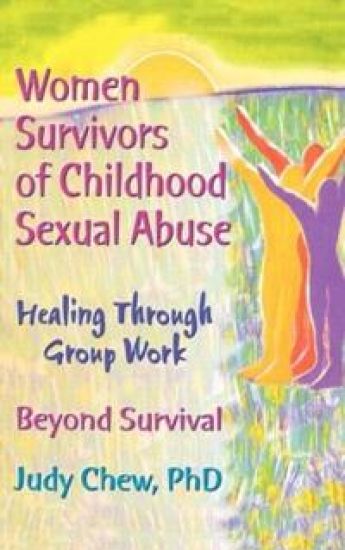
Women Survivors of Childhood Sexual Abuse

Women Survivors of Childhood Sexual Abuse

Terry S Trepper; Judy Chew

Routledge Member of the Taylor and Francis Group
1997
sidottu
Women Survivors of Childhood Sexual Abuse is a detailed discussion of the theoretical and philosophical underpinnings involved in conducting group psychotherapy with women who have experienced childhood sexual abuse. Offering the practical “how to’s” of conducting a thirteen-session group, this unique book emphasizes the discovery of solutions, strengths, and internal/external resources and highlights the temporal nature of “being a victim” and “being a survivor” at theoretical and clinical levels. The book’s integration of theory and clinical intervention provides a thorough basis for addressing some of the key themes in the resolving of sexual abuse. In Women Survivors of Childhood Sexual Abuse, you’ll uncover topics related to healing such as:the theoretical rationales for group treatment, which include the Ericksonian approach, the feminist perspective, narrative therapy, and the solution-oriented approach resiliency- and resource-based approaches the importance of language in recovery from sexual abuse how to deal with issues such as relationships, telling one’s story of abuse, building safety/boundaries, spirituality, cultivating a future, dealing with flashbacksA practical guide for students in counseling practicums, Women Survivors of Childhood Sexual Abuse provides you with a systematic method with which to conceptualize and conduct group work. Experienced counseling practitioners in psychology, social work, psychiatry, and nursing will also benefit as you gain a session-by-session account of how to conduct group work. In today’s institutional setting, private practice, and professional climate in general, there is growing interest in how to do more with less, how to maximize financial and professional resources, and how to take care of our therapist selves. This book will help you achieve these goals through leading clients to personal empowerment, self-compassion, and resourcefulness.
Women Survivors of Childhood Sexual Abuse

Women Survivors of Childhood Sexual Abuse

Terry S Trepper; Judy Chew

Routledge Member of the Taylor and Francis Group
1997
nidottu
Women Survivors of Childhood Sexual Abuse is a detailed discussion of the theoretical and philosophical underpinnings involved in conducting group psychotherapy with women who have experienced childhood sexual abuse. Offering the practical “how to’s” of conducting a thirteen-session group, this unique book emphasizes the discovery of solutions, strengths, and internal/external resources and highlights the temporal nature of “being a victim” and “being a survivor” at theoretical and clinical levels. The book’s integration of theory and clinical intervention provides a thorough basis for addressing some of the key themes in the resolving of sexual abuse. In Women Survivors of Childhood Sexual Abuse, you’ll uncover topics related to healing such as:the theoretical rationales for group treatment, which include the Ericksonian approach, the feminist perspective, narrative therapy, and the solution-oriented approach resiliency- and resource-based approaches the importance of language in recovery from sexual abuse how to deal with issues such as relationships, telling one’s story of abuse, building safety/boundaries, spirituality, cultivating a future, dealing with flashbacksA practical guide for students in counseling practicums, Women Survivors of Childhood Sexual Abuse provides you with a systematic method with which to conceptualize and conduct group work. Experienced counseling practitioners in psychology, social work, psychiatry, and nursing will also benefit as you gain a session-by-session account of how to conduct group work. In today’s institutional setting, private practice, and professional climate in general, there is growing interest in how to do more with less, how to maximize financial and professional resources, and how to take care of our therapist selves. This book will help you achieve these goals through leading clients to personal empowerment, self-compassion, and resourcefulness.