
Kirjailija
Judy Long
Kirjat ja teokset yhdessä paikassa: 5 kirjaa, julkaisuja vuosilta 1999–2025, suosituimpiin kuuluu The Most Powerful Word. Vertaile teosten hintoja ja tarkista saatavuus suomalaisista kirjakaupoista.
5 kirjaa
Kirjojen julkaisuvuodet: 1999–2025.
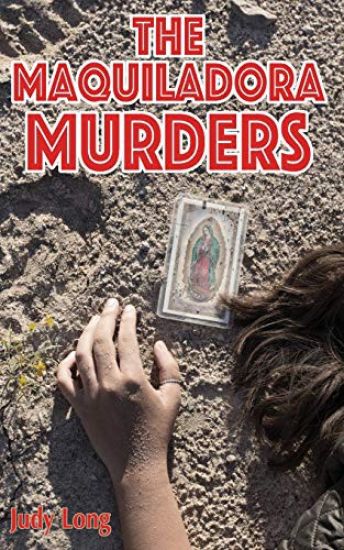
The Maquiladora Murders is set in the context of a real-life horror that has convulsed the Mexico/Texas borderland for a generation. The tumultuous modernization of the region provides the setting for a young woman's journey from village life to city life. In Juarez Guadalupe finds a wholesale murder of young women that implicates a monstrous conspiracy stretching from the hinterland to Mexico 's capital city. Guadalupe is inspired by the Virgin of Guadalupe, whose name she bears, as a sense of her mission develops. Guadalupe finds dangers and allies in her search for answers as women disappear around her. Colorful and delightful characters-not all of them mortal-- join Guadalupe in her quest. La Llorona, the legendary grieving mother whose children were taken from her, now haunts Juarez -and Guadalupe. Local activists, international journalists and forensic experts press for action. Fearless, Guadalupe takes action, a cloud of female energy gathering around her.
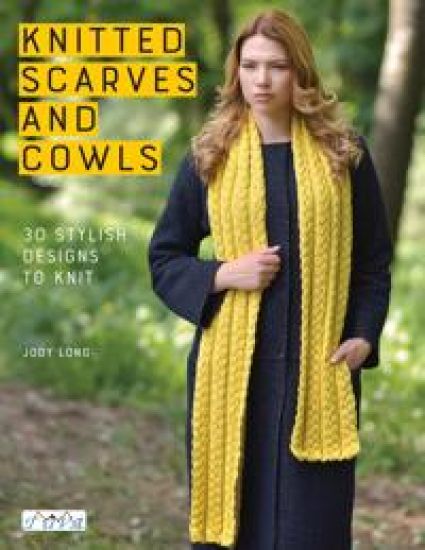
Quick and fashion-forward, these scarf knitting patterns are modern and fun and include easy-to-follow instructions for cowls, scarves, neck warmers and infinity scarves. The variety of stitch patterns, embellishment options, and designs make these scarves perfect for both sexes. The versatile designs included inside are sure to help the knitter create the perfect gift or to make a scarf to match an outfit.
For centuries, the "great man" format and masculine discourse of biography and autobiography have eclipsed women. If we accept this history, we remain ignorant of "Lady Sarashina," a Japanese woman of the Han period, whose book survives from the 11th century. We overlook Margaret Cavendish and Dame Julian, two early English autobiographers. And we fail to consider sufficiently slave narratives, oral histories, or lesbian "coming out" stories. Telling Women's Lives assesses existing traditions of autobiography and biography in search of a method capable of conveying the distinctive content of women's lives while retaining the tenor of feminine subjectivity. Drawing on feminist research methodologies of the past two decades as well as anthropology and sociology, Long paves the way for the formulation of an emergent feminist methodology for telling women's lives. This highly original study seeks to revise and recreate the genre so as to accommodate a feminine discourse, narrator, reader, and subject. The "messiness" of women's lives-the daily work and detail that men have programmatically excluded-acquires new meaning as Long develops here an innovative theory of sociobiography.
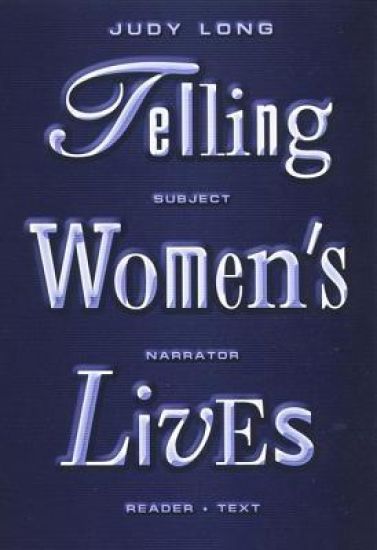
For centuries, the "great man" format and masculine discourse of biography and autobiography have eclipsed women. If we accept this history, we remain ignorant of "Lady Sarashina," a Japanese woman of the Han period, whose book survives from the 11th century. We overlook Margaret Cavendish and Dame Julian, two early English autobiographers. And we fail to consider sufficiently slave narratives, oral histories, or lesbian "coming out" stories. Telling Women's Lives assesses existing traditions of autobiography and biography in search of a method capable of conveying the distinctive content of women's lives while retaining the tenor of feminine subjectivity. Drawing on feminist research methodologies of the past two decades as well as anthropology and sociology, Long paves the way for the formulation of an emergent feminist methodology for telling women's lives. This highly original study seeks to revise and recreate the genre so as to accommodate a feminine discourse, narrator, reader, and subject. The "messiness" of women's lives-the daily work and detail that men have programmatically excluded-acquires new meaning as Long develops here an innovative theory of sociobiography.