Kirjojen hintavertailu – 12 875 291 kirjaa ja 26 kauppaa

Kirjailija

Jules Howard

Kirjat ja teokset yhdessä paikassa: 39 kirjaa, julkaisuja vuosilta 2015–2026, suosituimpiin kuuluu Mega - Maailman mahtavimmat eläimet. Vertaile teosten hintoja ja tarkista saatavuus suomalaisista kirjakaupoista.

39 kirjaa

Kirjojen julkaisuvuodet: 2015–2026.

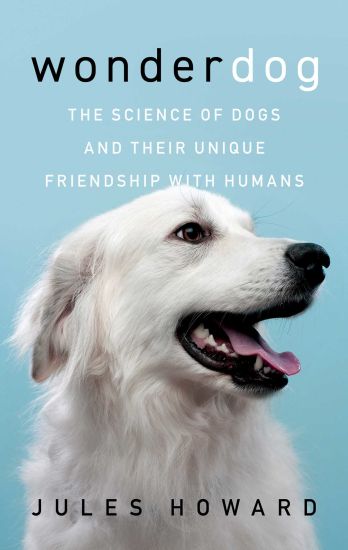
Wonderdog

Wonderdog

Jules Howard

BLOOMSBURY PUBLISHING PLC
2023
nidottu
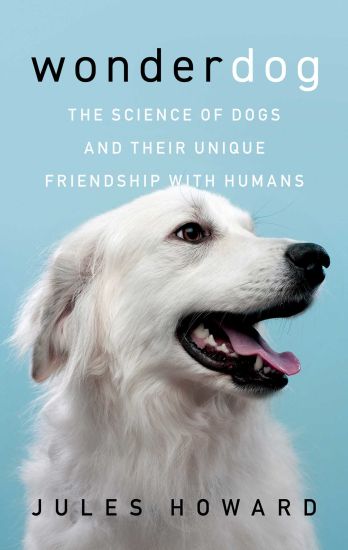
WINNER OF THE 2022 BARKER BOOK AWARDS FOR NON-FICTION.‘Heartwarming.’ THE TIMES‘A delightful read.’ KATE MACDOUGALL‘Just the thing for dog lovers.’ PUBLISHERS WEEKLY‘Brilliant.’ PROFESSOR ALICE ROBERTS‘Amusing and enlightening.’ COUNTRYMAN‘Fascinating and eye-opening.’ DR JESS FRENCH‘A wonderful book!’ VIRGINIA MORRELL‘Profound.’ THE GUARDIANHow dogs defied science and changed the way we think about animalsWhat do dogs really think of us? What do dogs know and understand of the world? Do their emotions feel like our own? Do they love like we do? Driven by his own love of dogs, Charles Darwin was nagged by questions like these. To root out answers, his contemporaries toyed with dog sign language. To reveal clues, they made special puzzle boxes and elaborate sniff tests using old socks. Later, the same perennial questions about the minds of dogs drove Pavlov and Pasteur to unspeakable cruelty in their search for truth. These big names in science influenced leagues of psychologists and animal behaviourists, each building upon the ideas and received wisdom of previous generations but failing to see what was staring them in the face – that the very methods humans used to study dogs’ minds were influencing the insights reflected back. To discover the impressive cognitive feats that dogs are capable of, a new approach was needed. Treated with love and compassion, dogs would open up their unique perspective on the world, and a new breed of scientists would be provided answers to life’s biggest questions. Wonderdog is the story of those dogs – a historical account of how we came to know what dogs are capable of. It’s a celebration of animal minds and the secrets they hold. And it’s a love letter to science, through the good times and the bad.
Bones

Bones

Jules Howard

Templar Publishing
2018
sidottu
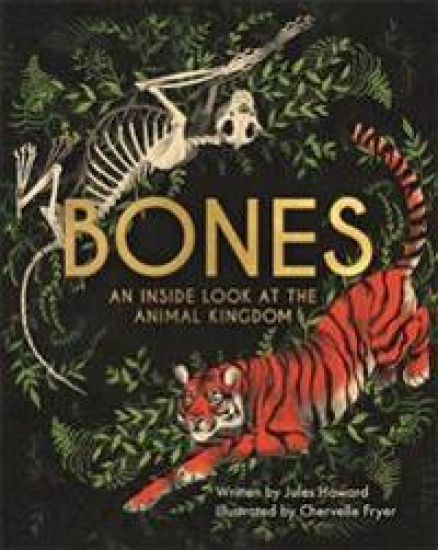
What's so special about animal skeletons? Find out in BONES, an inside look at the animal kingdom. How are animals able to bite, run, jump and fly? What special adaptions have they developed over time? Bones takes the reader on a fascinating journey through the biological history of the animal kingdom, with sections focusing on different animal abilities - biting, flying, jaws, tails, and more - explaining how their amazing bodies allow them to do so many different things.
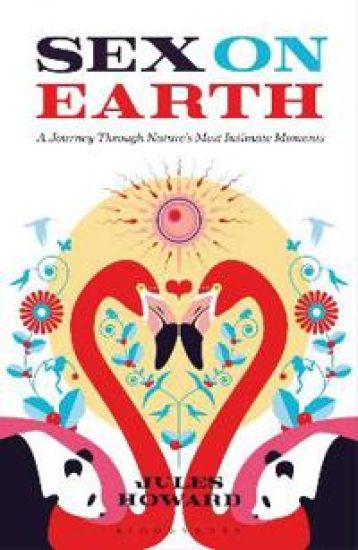
Sex on Earth

Sex on Earth

Jules Howard

Bloomsbury Sigma
2015
nidottu
A journey of discovery through the ins and outs of reproduction in the animal kingdom 'Written with Bill Bryson–like wit' Booklist 'A writ­er who blends professional expertise in zoology with charm, wit, and a cockeyed sense of humor. What better guide through nature’s red-light district could one ask for?' Natural History Magazine 1,000 million years ago, a sexual revolution occurred on Earth. Sex happened for the first time; from this moment the world became ever more colourful and bizarre, ringing with elaborate songs and dances, epic battles, and rallying cries as the desires of males and females collided, generation after generation. All of your ancestors took part and succeeded – an unbroken chain of sex right back to the dawn of complex life on Earth. Well done you. Well done everything. The world in which we live rings, bleeds, and howls with sex. It’s everywhere. Right now warring hordes are locking horns, preening feathers, rampaging lustfully across the savanna, questioning the fidelity of the ones they love. Birds are singing, flowers bloom. A million females choose; a billion penises ejaculate (or snap off); a trillion sperm battle, block and tackle. Written in a brilliantly engaging style by biologist Jules Howard, this fascinating and highly readable work covers the how and why of sex on Earth, in all its diversity. From sperm wars to cuckoldry, hermaphrodites and virgin births, spent males, racy harems, clitoral births, hips, breasts and birdsong, penis-percussion, and those riskiest and most elusive of all traits, monogamy and true love, all this and more is discussed in Sex on Earth, as Jules takes us on a voyage of discovery of the ins and outs of animal reproduction.
Infinite Life

Infinite Life

Jules Howard

Pegasus Books
2026
Nidottu
**An Amazon Best Science Book of 2024** An expansive investigation into the most unifying and enduring structure in the history of lifeand a story of biological richness at a moment when so much of our precious biodiversity hangs in the balance. Eggs are the origins of 90 percent of the Earth's organisms. They can be found as far apart as deep-sea volcanoes and in space. Yet despite their fundamental importance, eggs often find themselves an afterthought in the discussion of evolution of life on Earth as the interests of scientists congregate around the things that emerge from eggs rather than the eggs themselves. In his new book Infinite Life: The Revolutionary Story of Eggs, Evolution, and Life on Earth, Jules Howard explainswith great passion, authority, expertise, and infectious enthusiasmwhy it's time to give eggs their moment in the spotlight: it is the eggs that can teach us new and surprising lessons about Earth's history, the trials of life, and the exceptional ways in which natural selection operates to propagate the survival of individual species. Infinite Life: The Revolutionary Story of Eggs, Evolution, and Life on Earth, offers a wholly new perspective on the animal kingdom, and, indeed, life on Earth. By examining eggs from their earliest histories to the very latest fossilized discoveriesencompassing the myriad changes and mutations of eggs from the evolution of yolk, to the hard eggshells of lost dinosaurs, to the animals that have evolved to simultaneously give birth to eggs and live youngHoward reveals untold stories of great diversity and majesty to shed light on the huge impact that egg science has on our lives.
Infinite Life

Infinite Life

Jules Howard

ElliotThompson Limited
2024
pokkari
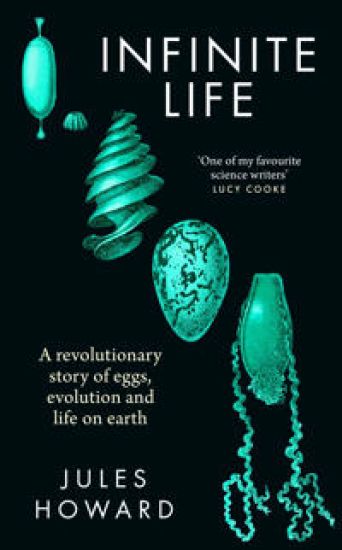
If you think of an egg, what do you see in your mind's eye? A chicken egg, hard-boiled? A slimy mass of frogspawn? Perhaps you see a human egg cell, prepared on a microscope slide in a laboratory? Or the majestic marble-blue eggs of the blackbird? Every egg there has ever been, is an emblem of survival. Yet the evolution of the animal egg is the dramatic subplot missing in many accounts of how life on Earth came to be. Quite simply, without this universal biological phenomenon, animals as we know them, including us, could not have evolved and flourished. In Infinite Life, zoology correspondent Jules Howard takes the reader on a mind-bending journey from the churning coastlines of the Cambrian Period and Carboniferous coal forests, where insects were stirring, to the end of the age of dinosaurs when live-birthing mammals began their modern rise to power. Eggs would evolve from out of the sea; be set by animals into soils, sands, canyons and mudflats; be dropped in nests wrapped in silk; hung in stick nests in trees, covered in crystallised shells or secured by placentas. Whether belonging to birds, insects, mammals or millipedes, animal eggs are objects that have been shaped by their ecology, forged by mass extinctions and honed by natural selection to near-perfection. Finally, the epic story of their role in the tapestry of life can be told.
Infinite Life

Infinite Life

Jules Howard

ELLIOTT THOMPSON LIMITED
2024
sidottu
Every animal on the planet owes its existence to one crucial piece of evolutionary engineering: the egg. It’s time to tell a new story of life on Earth. ‘Jules Howard’s egg’s-eye view of evolution is dripping with fascinating insights’ ALICE ROBERTS ‘So much passion and poetic prose' BBC Radio 4, Inside Science If you think of an egg, what do you see in your mind’s eye? A chicken egg, hard-boiled? A slimy mass of frogspawn? Perhaps you see a human egg cell, prepared on a microscope slide in a laboratory? Or the majestic marble-blue eggs of the blackbird? Every egg there has ever been, is an emblem of survival. Yet the evolution of the animal egg is the dramatic subplot missing in many accounts of how life on Earth came to be. Quite simply, without this universal biological phenomenon, animals as we know them, including us, could not have evolved and flourished. In Infinite Life, zoology correspondent Jules Howard takes the reader on a mind-bending journey from the churning coastlines of the Cambrian Period and Carboniferous coal forests, where insects were stirring, to the end of the age of dinosaurs when live-birthing mammals began their modern rise to power. Eggs would evolve from out of the sea; be set by animals into soils, sands, canyons and mudflats; be dropped in nests wrapped in silk; hung in stick nests in trees, covered in crystallised shells or secured by placentas. Whether belonging to birds, insects, mammals or millipedes, animal eggs are objects that have been shaped by their ecology, forged by mass extinctions and honed by natural selection to near-perfection. Finally, the epic story of their role in the tapestry of life can be told. ‘In a book that brilliantly evokes past eras, Howard provides a new perspective on the history of life on Earth.’ The Mail on Sunday
Encyclopedia of Animals

Encyclopedia of Animals

Jules Howard

Quarto Publishing Plc
2024
nidottu

Halvin toimitettuna 18,90 €

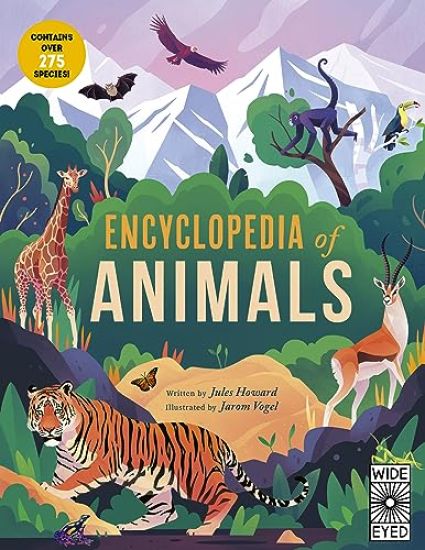
Meet the tiny-but-tough tardigrade and the awe-inspiring blue whale in this illustrated introduction to invertebrates, fish, amphibians, reptiles, birds and mammals. Learn everything about more than 275 species, specially selected by natural historian Jules Howard and brought to life by the detailed artwork of Jarom Vogel. With fact panels breaking down each animal’s most unique traits, as well as its habitat, size and diet, every page in Encyclopedia of Animals is sure to introduce young readers to their new favourite critter. Beloved species like the African elephant, great white shark and western gorilla get their own dedicated feature page, while more unusual species include the hellbender, Chan’s megastick and pink fairy armadillo. Discover the shrimp that punches its prey with superheated water, marvel at the frog whose beating heart can be seen through its skin, and learn about the rarest turtle on the planet. If it bites, crawls, hops, flies, swings from the treetops or dives to the bottom of the ocean, there’s a good chance you’ll find it in this encyclopedia! And be sure to check out Encyclopedia of Insects, a go-to guide crawling with incredible facts about this huge and diverse class of animal.
Wonderdog: The Science of Dogs and Their Unique Friendship with Humans
A celebration of dogs, the scientists who've lived alongside them, and how canines have been key to advancements in science for the betterment of all species. Almost everywhere there are humans on planet Earth, there are dogs. But what do dogs know and understand of the world? Do their emotions feel like our own? Do they love like we do? What do they think of us? Since our alliance first began on the hunt and on the farm, our relationship with dogs has evolved considerably. And with domestic dog population rising twenty per cent in the last decade alone, it is a bond that will continue to evolve. In order to gauge where our relationship with dogs goes from here, author and zoologist Jules Howard takes a look at the historical paths we have trod together, and at the many scientists before him who turned their analytic eye on their own four-legged companions. Charles Darwin and his contemporaries toyed with dog sign language and made special puzzle boxes and elaborate sniff tests using old socks. Later, the same questions drove Pavlov and Pasteur to unspeakable cruelty in their search for knowledge. Since then, leagues of psychologists and animal behaviourists have built upon the study of dogs and their much-improved methods have fetched increasingly important results: dogs have episodic memory similar to ours; they recognise themselves as individuals; and, in addition to their expert sense of smell, dogs' noses can even detect thermal radiation. With the help of vets, ethologists, neurologists, historians and, naturally, his own dogs, Wonderdog reveals the study of dogs to be key in the advancement of compassion in scientific research, and crucial to making life on Earth better for all species.
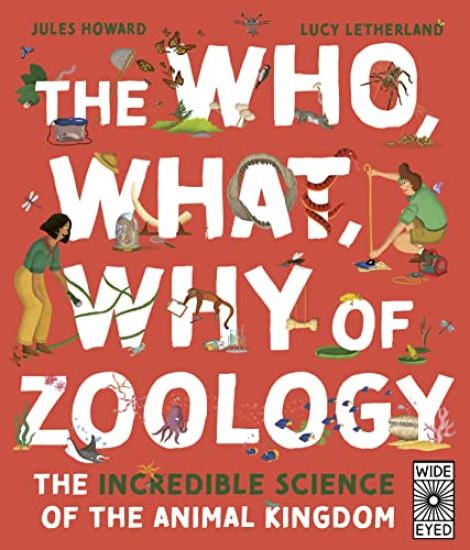
The Who, What, Why of Zoology

The Who, What, Why of Zoology

Jules Howard

Quarto Publishing Plc
2023
sidottu

Halvin toimitettuna 23,90 €

What's your favourite animal fact? Have you ever wondered who discovered it in the first place? Chances are, it was a zoologist! Join the scientists uncovering the secrets of the animal kingdom in this funny, fact-packed introduction to zoology. The Who, What, Why of Zoology is an exciting first book on this fascinating field of science. From the deepest oceans to Himalayan valleys, zoologists explore far and wide to better understand the worlds of mammals, birds, fish, reptiles and nearly anything else that can walk, fly or swim! Not only is this book filled with up-to-the-minute facts about your favourite animals, but it also goes behind the scenes and out in the field to show how real zoologists find out more about the creatures we know, and even discover new ones. Each chapter dives into a different real-world environment to observe the animals that live there, then fills the scene with zoologists to explore how this exciting science actually works. Then, turn the page to learn about the modern mysteries to which scientists are still searching for answers. Every page is bursting with facts you've never heard before, as well as plenty of funny detail to keep you searching for hours. With chapters including: Tropical Reefs Arctic Tundra Deserts Rainforests Deep Oceans ... and many more! The Who, What, Why of Zoology is the perfect introduction to an important STEM topic for readers aged 6-9, combining expertise from zoologist author Jules Howard with vibrant and humour-filled illustrations from Lucy Letherland. Bring science to life with this one-of-a-kind animal book!
Wonderdog: The Science of Dogs and Their Unique Friendship with Humans
A celebration of dogs, the scientists who've lived alongside them, and how canines have been key to advancements in science for the betterment of all species. Almost everywhere there are humans on planet Earth, there are dogs. But what do dogs know and understand of the world? Do their emotions feel like our own? Do they love like we do? What do they think of us? Since our alliance first began on the hunt and on the farm, our relationship with dogs has evolved considerably. And with domestic dog population rising twenty per cent in the last decade alone, it is a bond that will continue to evolve. In order to gauge where our relationship with dogs goes from here, author and zoologist Jules Howard takes a look at the historical paths we have trod together, and at the many scientists before him who turned their analytic eye on their own four-legged companions. Charles Darwin and his contemporaries toyed with dog sign language and made special puzzle boxes and elaborate sniff tests using old socks. Later, the same questions drove Pavlov and Pasteur to unspeakable cruelty in their search for knowledge. Since then, leagues of psychologists and animal behaviourists have built upon the study of dogs and their much-improved methods have fetched increasingly important results: dogs have episodic memory similar to ours; they recognise themselves as individuals; and, in addition to their expert sense of smell, dogs' noses can even detect thermal radiation. With the help of vets, ethologists, neurologists, historians and, naturally, his own dogs, Wonderdog reveals the study of dogs to be key in the advancement of compassion in scientific research, and crucial to making life on Earth better for all species.
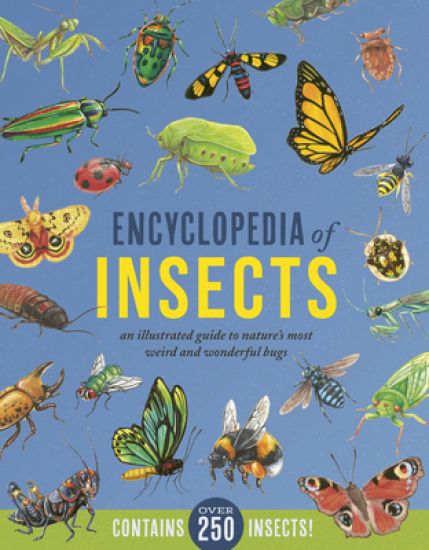
Encyclopedia of Insects: An Illustrated Guide to Nature's Most Weird and Wonderful Bugs - Contains Over 250 Insects!
Dive into the world of creepy-crawlies in this Encyclopedia of Insects for kids and families. Did you know that insects make up 90% of life forms on this planet? And that, for every single human, there are literally trillions of insects of millions of different species? Learn how these incredible creatures are critical to the ecology of Earth in this insect encyclopedia packed with over 250 bug profiles, from graceful moths and butterflies to noisy crickets and cicadas to underappreciated wasps, cockroaches, and termites. Every insect is looked at in fascinating detail by natural history expert Jules Howard, and painted by evolutionary biologist and illustrator Miranda Zimmerman. Organized by scientific order, each entry includes: A fact file, with amazing facts about the creature A stunning painted illustration The scientific Latin name for the species Details about how the species on the pages are linked together Encyclopedia of Insects also highlights how, despite their great numbers, insects are threatened by the destruction of their habitats and climate change, offering a hopeful message by outlining concrete steps you can take to help insects recover and thrive. From the cutest and most beautiful, to the deadliest and most disgusting, there's something for everyone in this book that highlights the importance of the insect world. Plus, find out what actually makes an insect, an insect--with guest entries from the non-insects: centipedes, spiders, woodlice, and snails. Get to know the unsung heroes of the natural world so you can spread the world about how amazing and precious they are. And for those budding zoologists looking to satisfy their curiosity about the rest of Earth's creatures, be sure to check out Encyclopedia of Animals, from Jules Howard and Jarom Vogel.
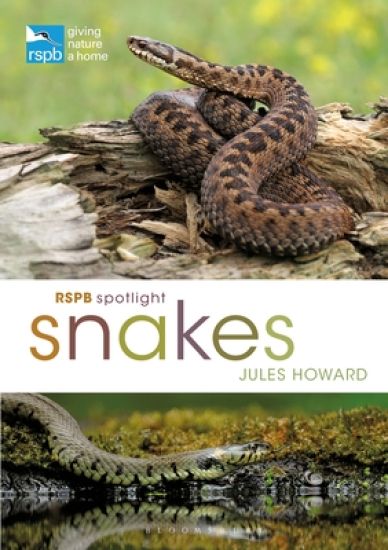
RSPB Spotlight Snakes

RSPB Spotlight Snakes

Jules Howard

Bloomsbury Wildlife
2020
nidottu
Snakes are superbly secretive reptiles, celebrated by many for their highly tuned senses and their complex and mysterious seasonal behaviours. Though some people may be fearful of them, these important reptiles play a crucial role in many habitats. And an encounter with any one of our native snake species is an experience worth cherishing. In Spotlight Snakes, Jules Howard takes readers on a journey through the ecology and lifestyle of Britain’s three native snake species: the Barred Grass Snake, the Smooth Snake and our only venomous snake species, the Adder. As well as uncovering their unique hunting styles and courtship rituals, he delves into the myths and legends at the heart of humankind’s widespread and sometimes troublesome fascination with these animals. He also charts the conservation challenges our native snakes face in the modern age and explores the solutions conservationists are employing to help these extraordinary predators remain a vital part of British ecosystems for generations to come. The Spotlight series introduces readers to the lives and behaviour of our favourite animals with eye-catching colour photographs and informative expert text.
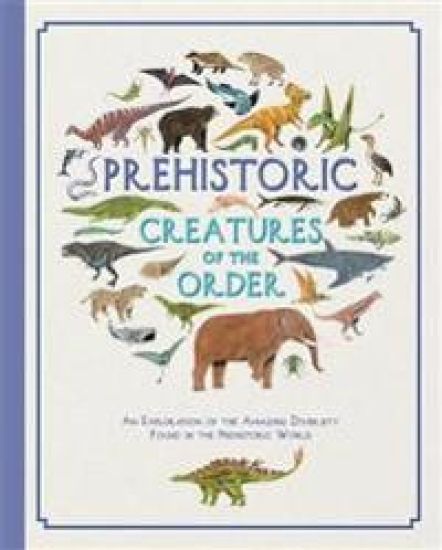
Prehistoric Creatures of the Order

Prehistoric Creatures of the Order

Jules Howard

Templar Publishing
2019
sidottu
What did pig-like Entelodon and prehistoric horse Eohippus have in common? Who did 'walking whale' Ambulocetus share a taxomonic order with? Prehistoric Creatures of the Order collects members of the same taxonomic order - families of animals that share an important evolutionary trait - together in an informative and beautifully illustrated way. Fascinating text brings Kelsey Oseid's charming illustrations to life in this enchanting look at the animal kingdom.
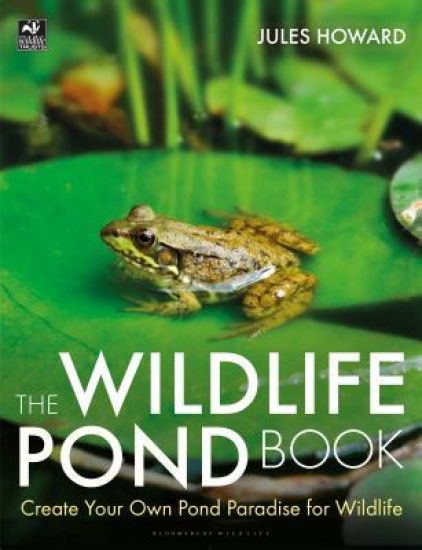
The Wildlife Pond Book

The Wildlife Pond Book

Jules Howard

Bloomsbury Wildlife
2019
nidottu

Halvin toimitettuna 22,00 €

This friendly, practical guide includes everything you need to know to pick up a spade, put in a pond and help wildlife flourish right outside your back door. Ponds are vital oases for nature. They are nursery grounds, feeding stops and bathing spots. They are genetic superhighways and vibrant ecosystems each brimming with life, interactions and potential. And they are for everyone. In The Wildlife Pond Book, Jules Howard offers a fresh perspective on ponds and encourages gardeners to reach for a garden spade and do something positive to benefit our shared neighbourhood nature. As well as offering practical tips and advice on designing, planting up and maintaining your pond, Jules encourages readers to explore the wildlife that colonises it with a torch, a microscope or a good old-fashioned pond-dipping net. With a foreword by award-winning wildlife-gardening author, Kate Bradbury, this helpful new guide includes a section outlining the hundreds of organisms that may turn up in your pond and is packed with creative ideas that have been tried and tested by author Jules Howard, an avid pond-builder, prolific pond-dipper and passionate voice for freshwater conservation for more than fifteen years. So, no matter how big your outdoor space is, The Wildlife Pond Book is the guide you need to create your very own haven for nature.
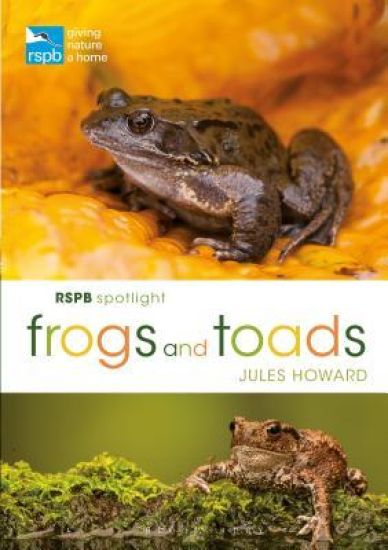
RSPB Spotlight Frogs and Toads

RSPB Spotlight Frogs and Toads

Jules Howard

Bloomsbury Wildlife
2019
nidottu
RSPB Spotlight: Frogs and Toads is packed with eye-catching, informative colour photos, and features succinct and detailed text written by an expert on these amphibians. They were bestowed with magical properties in folklore, they were sought after as ingredients of witches’ broth, and they are comic characters that have invaded popular culture, from Kermit the Frog to Toad of Toad Hall. Frogs and toads are charismatic members of Britain’s wildlife. But what do you really know about them? Scratch beneath the surface, and you will discover some of nature’s weirdest creatures, amphibians whose ecology we are only now coming to understand. Spotlight Frogs and Toads is a compelling account of Britain’s four native amphibian species: the Common Frog, the Pool Frog, the Common Toad and the rare and secretive Natterjack Toad. New research suggests that, in the next ten years, three out of four UK species are likely to be listed as threatened. Revealing a host of secrets, including how they migrate, what they eat, and how they got to the UK in the first place, Jules Howard inspires us all to look down, rather than up, in spring. The Spotlight series introduces readers to the lives and behaviour of our favourite animals with eye-catching colour photographs and informative expert text.
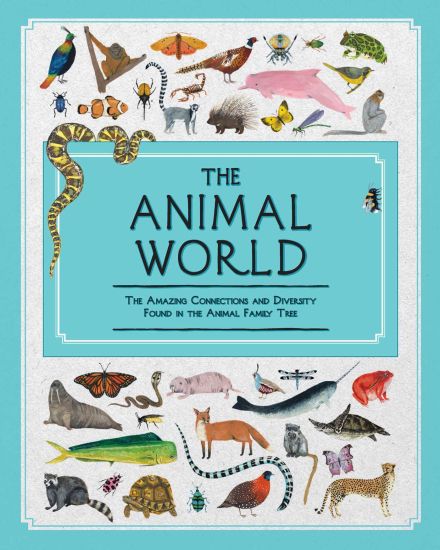
The Animal World: The Amazing Connections and Diversity Found in the Animal Family Tree
Kids will love learning about the ways in which animals are related to each other in this beautifully illustrated book What do a raccoon and a river otter have in common? An elephant seal and a leopard? How about a slow loris and a gorilla? The Animal World collects members of the same taxonomic order, which are groups of animals with similar features, together in an informative and accessible way through easy-to-read facts about each animal. Kids will love learning about the ways in which animals are related to each other, and Kelsey Oseid's charming illustrations bring the text to life in this enchanting look at the animal kingdom
Death on Earth

Death on Earth

Jules Howard

Bloomsbury Sigma
2017
nidottu
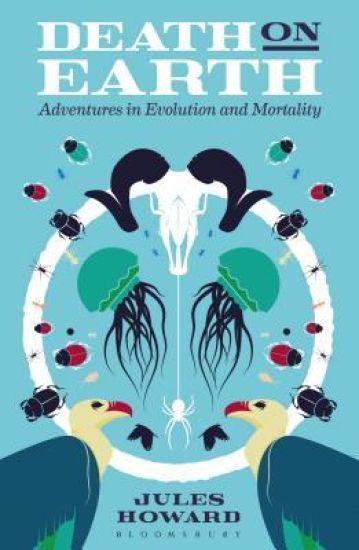
There is nothing more life-affirming than understanding death in all its forms. Natural selection depends on death; little would evolve without it. Every animal on Earth is shaped by its presence and fashioned by its spectre. We are all survivors of starvation, drought, volcanic eruptions, meteorites, plagues, parasites, predators, freak weather events, tussles and scraps, and our bodies are shaped by these ancient events. Some animals live for just a few hours as adults, others prefer to kill themselves rather than live unnecessarily for longer than they are needed, and there are a number of animals that can live for centuries. There are parasites that drive their hosts to die awful deaths, and parasites that manipulate their hosts to live longer, healthier lives. There is death in life. Amongst all of this, there is us, the upright ape; perhaps the first animal in the history of the universe fully conscious that death really is going to happen to us all in the end. With a narrative featuring a fish with a fake eye, the oldest animal in the world, the immortal jellyfish and some of the world’s top death-investigating biologists, Death on Earth explores the never-ending cycle of death and the impact death has on the living, and muses on how evolution and death affect us every single day. Why are we so weird about death? Where does this fear come from? Why are we so afraid of ageing? And how might knowledge of ageing in other animals help us live better lives, free of the diseases of old age?