Kirjojen hintavertailu – 12 903 725 kirjaa ja 27 kauppaa

Kirjailija

Jules-Sébastien-César Dumont d'Urville

Kirjat ja teokset yhdessä paikassa: 15 kirjaa, julkaisuja vuosilta 2010–2012, suosituimpiin kuuluu Voyage au Pole Sud et dans l'Océanie sur les corvettes l'Astrolabe et la Zélée. Vertaile teosten hintoja ja tarkista saatavuus suomalaisista kirjakaupoista.

Nimi esiintyy myös muodoissa: Jules Sebastien Cesar Dumont D'Urville

15 kirjaa

Kirjojen julkaisuvuodet: 2010–2012.

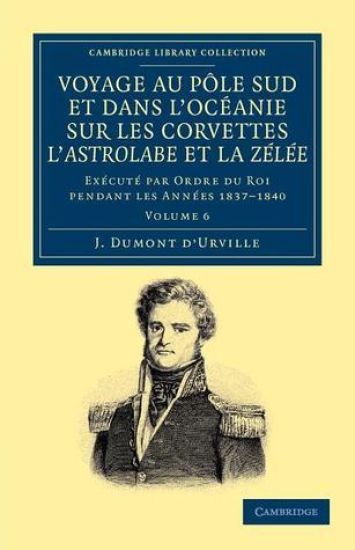
Voyage au Pole Sud et dans l'Océanie sur les corvettes l'Astrolabe et la Zélée

Voyage au Pole Sud et dans l'Océanie sur les corvettes l'Astrolabe et la Zélée

Jules-Sébastien-César Dumont d'Urville

Cambridge University Press
2012
pokkari
In 1836, the French King Louis-Philippe, enthusiastic for Southern Hemisphere exploration, supported J. Dumont d'Urville's plan for a circumnavigation focusing on the South Seas. D'Urville (1790–1842) had already distinguished himself on two Pacific expeditions and was eager to rival the achievements of James Cook. Between 1837 and 1840, the ships Astrolabe and Zélée explored the waters of the Antarctic area and Oceania in extremely harsh conditions: almost forty crew members died or deserted. However, d'Urville discovered a new portion of the Antarctic coast, shed light on the ethnography of several Pacific islands and brought back multitudes of botanical specimens. His impressive contributions to the fields of geography, natural history and ethnography were gathered in this ten-volume work, published between 1841 and 1846. Volume 6, published in 1844, charts the geographical features and the traditions of the people of several Indonesian provinces.
Voyage au Pole Sud et dans l'Océanie sur les corvettes l'Astrolabe et la Zélée

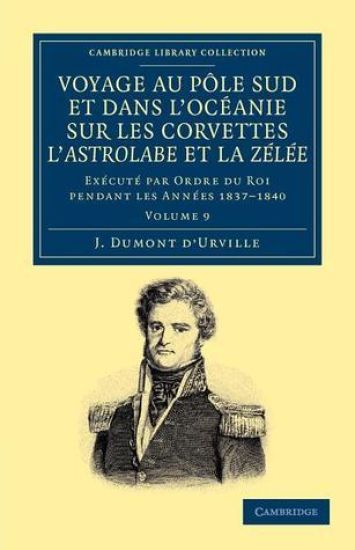
Voyage au Pole Sud et dans l'Océanie sur les corvettes l'Astrolabe et la Zélée

Jules-Sébastien-César Dumont d'Urville

Cambridge University Press
2012
pokkari
In 1836, the French King Louis-Philippe, enthusiastic for Southern Hemisphere exploration, supported J. Dumont d'Urville's plan for a circumnavigation focusing on the South Seas. D'Urville (1790–1842) had already distinguished himself on two Pacific expeditions and was eager to rival the achievements of James Cook. Between 1837 and 1840, the ships Astrolabe and Zélée explored the waters of the Antarctic area and Oceania in extremely harsh conditions: almost forty crew members died or deserted. However, d'Urville discovered a new portion of the Antarctic coast, shed light on the ethnography of several Pacific islands and brought back multitudes of botanical specimens. His impressive contributions to the fields of geography, natural history and ethnography were gathered in this ten-volume work, published between 1841 and 1846. In Volume 9, published in 1846, d'Urville shows his strong personal interest in ethnography as he reflects on the life and customs of Tasmania and New Zealand.
Voyage au Pole Sud et dans l'Océanie sur les corvettes l'Astrolabe et la Zélée

Voyage au Pole Sud et dans l'Océanie sur les corvettes l'Astrolabe et la Zélée

Jules-Sébastien-César Dumont d'Urville

Cambridge University Press
2012
pokkari
In 1836, the French King Louis-Philippe, enthusiastic for southern-hemisphere exploration, supported J. Dumont d'Urville's plan for a circumnavigation focusing on the South Seas. D'Urville (1790–1842) had already distinguished himself on two Pacific expeditions and was eager to rival the achievements of James Cook. Between 1837 and 1840, the ships Astrolabe and Zélée explored the waters of the Antarctic area and Oceania in extremely harsh conditions: almost forty crew members died or deserted. However, d'Urville discovered a new portion of the Antarctic coast, shed light on the ethnography of several Pacific islands and brought back multitudes of botanical specimens. His impressive contributions to the fields of geography, natural history and ethnography were gathered in this ten-volume work, published between 1841 and 1846. Volume 8, published in 1845, sees d'Urville's return to Antarctica in 1840, and his discovery of Adélie Land, after visiting Borneo, Java and Sumatra.
Voyage au Pole Sud et dans l'Océanie sur les corvettes l'Astrolabe et la Zélée

Voyage au Pole Sud et dans l'Océanie sur les corvettes l'Astrolabe et la Zélée

Jules-Sébastien-César Dumont d'Urville

Cambridge University Press
2012
pokkari
In 1836, the French King Louis-Philippe, enthusiastic for Southern Hemisphere exploration, supported J. Dumont d'Urville's plan for a circumnavigation focusing on the South Seas. D'Urville (1790–1842) had already distinguished himself on two Pacific expeditions and was eager to rival the achievements of James Cook. Between 1837 and 1840, the ships Astrolabe and Zélée explored the waters of the Antarctic area and Oceania in extremely harsh conditions: almost forty crew members died or deserted. However, d'Urville discovered a new portion of the Antarctic coast, shed light on the ethnography of several Pacific islands and brought back multitudes of botanical specimens. His impressive contributions to the fields of geography, natural history and ethnography were gathered in this ten-volume work, published between 1841 and 1846. In Volume 7, published in 1844, d'Urville reflects on the Dutch colonisation of Singapore and describes further discoveries he had made in Indonesia.
Voyage au Pole Sud et dans l'Océanie sur les corvettes l'Astrolabe et la Zélée

Voyage au Pole Sud et dans l'Océanie sur les corvettes l'Astrolabe et la Zélée

Jules-Sébastien-César Dumont d'Urville

Cambridge University Press
2012
pokkari
In 1836, the French King Louis-Philippe, enthusiastic for Southern Hemisphere exploration, supported J. Dumont d'Urville's plan for a circumnavigation focusing on the South Seas. D'Urville (1790–1842) had already distinguished himself on two Pacific expeditions and was eager to rival the achievements of James Cook. Between 1837 and 1840, the ships Astrolabe and Zélée explored the waters of the Antarctic area and Oceania in extremely harsh conditions: almost forty crew members died or deserted. However, d'Urville discovered a new portion of the Antarctic coast, shed light on the ethnography of several Pacific islands and brought back multitudes of botanical specimens. His impressive contributions to the fields of geography, natural history and ethnography were gathered in this ten-volume work, published between 1841 and 1846. Volume 5, published in 1843, recounts the crew's adventures on small islands off Papua New Guinea, the Philippines and Indonesia.
Voyage au Pole Sud et dans l'Océanie sur les corvettes l'Astrolabe et la Zélée

Voyage au Pole Sud et dans l'Océanie sur les corvettes l'Astrolabe et la Zélée

Jules-Sébastien-César Dumont d'Urville

Cambridge University Press
2012
pokkari
In 1836, the French King Louis-Philippe, enthusiastic for Southern Hemisphere exploration, supported J. Dumont d'Urville's plan for a circumnavigation focusing on the South Seas. D'Urville (1790–1842) had already distinguished himself on two Pacific expeditions and was eager to rival the achievements of James Cook. Between 1837 and 1840, the ships Astrolabe and Zélée explored the waters of the Antarctic area and Oceania in extremely harsh conditions: almost forty crew members died or deserted. However, d'Urville discovered a new portion of the Antarctic coast, shed light on the ethnography of several Pacific islands and brought back multitudes of botanical specimens. His impressive contributions to the fields of geography, natural history and ethnography were gathered in this ten-volume work, published between 1841 and 1846. In Volume 4, published in 1842, d'Urville presents his discoveries about customs on the Marquesas and Solomon Islands, Tahiti, Fiji, New Caledonia, Samoa and Tonga.
Voyage au Pole Sud et dans l'Océanie sur les corvettes l'Astrolabe et la Zélée

Voyage au Pole Sud et dans l'Océanie sur les corvettes l'Astrolabe et la Zélée

Jules-Sébastien-César Dumont d'Urville

Cambridge University Press
2012
pokkari
In 1836, the French King Louis-Philippe, enthusiastic for Southern Hemisphere exploration, supported J. Dumont d'Urville's plan for a circumnavigation focusing on the South Seas. D'Urville (1790–1842) had already distinguished himself on two Pacific expeditions and was eager to rival the achievements of James Cook. Between 1837 and 1840, the ships Astrolabe and Zélée explored the waters of the Antarctic area and Oceania in extremely harsh conditions: almost forty crew members died or deserted. However, d'Urville discovered a new portion of the Antarctic coast, shed light on the ethnography of several Pacific islands and brought back multitudes of botanical specimens. His impressive contributions to the fields of geography, natural history and ethnography were gathered in this ten-volume work, published between 1841 and 1846. Volume 3, published in 1842, gives a detailed account of life and traditions in Chile and on the island of Mangareva (French Polynesia).
Voyage au Pole Sud et dans l'Océanie sur les corvettes l'Astrolabe et la Zélée

Voyage au Pole Sud et dans l'Océanie sur les corvettes l'Astrolabe et la Zélée

Jules-Sébastien-César Dumont d'Urville

Cambridge University Press
2012
pokkari
In 1836, the French King Louis-Philippe, enthusiastic for Southern Hemisphere exploration, supported J. Dumont d'Urville's plan for a circumnavigation focusing on the South Seas. D'Urville (1790–1842) had already distinguished himself on two Pacific expeditions and was eager to rival the achievements of James Cook. Between 1837 and 1840, the ships Astrolabe and Zélée explored the waters of the Antarctic area and Oceania in extremely harsh conditions: almost forty crew members died or deserted. However, d'Urville discovered a new portion of the Antarctic coast, shed light on the ethnography of several Pacific islands and brought back multitudes of botanical specimens. His impressive contributions to the fields of geography, natural history and ethnography were gathered in this ten-volume work, published between 1841 and 1846. In Volume 1, published in 1841, d'Urville recounts the perils of the journey from France to the Strait of Magellan, via Rio de Janeiro.
Voyage au Pole Sud et dans l'Océanie sur les corvettes l'Astrolabe et la Zélée

Voyage au Pole Sud et dans l'Océanie sur les corvettes l'Astrolabe et la Zélée

Jules-Sébastien-César Dumont d'Urville

Cambridge University Press
2012
pokkari
In 1836, the French King Louis-Philippe, enthusiastic for Southern Hemisphere exploration, supported J. Dumont d'Urville's plan for a circumnavigation focusing on the South Seas. D'Urville (1790–1842) had already distinguished himself on two Pacific expeditions and was eager to rival the achievements of James Cook. Between 1837 and 1840, the ships Astrolabe and Zélée explored the waters of the Antarctic area and Oceania in extremely harsh conditions: almost forty crew members died or deserted. However, d'Urville discovered a new portion of the Antarctic coast, shed light on the ethnography of several Pacific islands and brought back multitudes of botanical specimens. His impressive contributions to the fields of geography, natural history and ethnography were gathered in this ten-volume work, published between 1841 and 1846. Volume 2, published in 1842, traces d'Urville's first heroic but failed attempt at locating the south magnetic pole in 1838, and his return to Chile.
Voyage au Pole Sud et dans l'Océanie sur les corvettes l'Astrolabe et la Zélée

Voyage au Pole Sud et dans l'Océanie sur les corvettes l'Astrolabe et la Zélée

Jules-Sébastien-César Dumont d'Urville

Cambridge University Press
2012
pokkari
In 1836, the French King Louis-Philippe, enthusiastic for Southern Hemisphere exploration, supported J. Dumont d'Urville's plan for a circumnavigation focusing on the South Seas. D'Urville (1790–1842) had already distinguished himself on two Pacific expeditions and was eager to rival the achievements of James Cook. Between 1837 and 1840, the ships Astrolabe and Zélée explored the waters of the Antarctic area and Oceania in extremely harsh conditions: almost forty crew members died or deserted. However, d'Urville discovered a new portion of the Antarctic coast, shed light on the ethnography of several Pacific islands and brought back multitudes of botanical specimens. His impressive contributions to the fields of geography, natural history and ethnography were gathered in this ten-volume work, published between 1841 and 1846. In Volume 10, published in 1846, which includes extracts from his correspondence, as well as a biography, d'Urville shares his immense relief as he returns to France.
Histoire générale des voyages par Dumont D'Urville, D'Orbigny, Eyriès et A. Jacobs

Histoire générale des voyages par Dumont D'Urville, D'Orbigny, Eyriès et A. Jacobs

Jules-Sébastien-César Dumont d'Urville; Alcide Dessalines d'Orbigny; Jean Baptiste Benoit Eyriès; Alfred Jacobs

Cambridge University Press
2011
pokkari
This four-volume collection was issued by the Paris publisher Furne in the mid-nineteenth century to showcase the adventures and discoveries of recent French explorers. In Volumes 1 and 2 the naval officer Jules Dumont d'Urville (1790–1842) presents a lightly fictionalised account based on his first two voyages to the Pacific on board the Coquille (renamed L'Astrolabe for the second voyage). This was intended for a wider audience and offered at a more affordable price than the large-format scientific expedition reports produced for the French government. The work, illustrated with engravings, was originally published in 1832, but the printings by Furne reissued here date from 1863 and 1859 respectively. Volume 1 describes the voyage through the Atlantic to the Cape of Good Hope, and focuses on South and South-East Asia, China and Hawaii, covering natural history, indigenous culture, and colonial commerce. It ends with the ship's arrival in French Polynesia.
Histoire générale des voyages par Dumont D'Urville, D'Orbigny, Eyriès et A. Jacobs

Histoire générale des voyages par Dumont D'Urville, D'Orbigny, Eyriès et A. Jacobs

Jules-Sébastien-César Dumont d'Urville; Alcide Dessalines d'Orbigny; Jean Baptiste Benoit Eyriès; Alfred Jacobs

Cambridge University Press
2011
pokkari
This four-volume collection was issued by the Paris publisher Furne in the mid-nineteenth century to showcase the adventures and discoveries of recent French explorers. In Volumes 1 and 2 the naval officer Jules Dumont d'Urville (1790–1842) presents a lightly fictionalised account based on his first two voyages to the Pacific on board the Coquille (renamed L'Astrolabe for the second voyage). This was intended for a wider audience and offered at a more affordable price than the large-format scientific expedition reports produced for the French government. The work, illustrated with engravings, was originally published in 1832, but the printings by Furne reissued here date from 1863 and 1859 respectively. Volume 2 describes the voyage from French Polynesia back to France via Australia, New Zealand and Cape Horn. It includes d'Urville's discovery of the location in the Solomon Islands where the explorer Jean-Francois La Pérouse's ships had mysteriously disappeared in 1788.
Histoire générale des voyages par Dumont D'Urville, D'Orbigny, Eyriès et A. Jacobs

Histoire générale des voyages par Dumont D'Urville, D'Orbigny, Eyriès et A. Jacobs

Jules-Sébastien-César Dumont d'Urville; Alcide Dessalines d'Orbigny; Jean Baptiste Benoit Eyriès; Alfred Jacobs

Cambridge University Press
2011
pokkari
This four-volume collection was issued by the Paris publisher Furne in the mid-nineteenth century to showcase the work of recent French explorers for a readership avid for accounts of exotic foreign lands. Volume 4 was prepared by Alfred Jacobs (1802–62), an archivist and palaeographer, drawing heavily on an 1839 publication by Jean-Baptiste Benoit Eyriès (1767–1846). Eyriès was a founder member of the French Geographical Society and a member of the Asiatic Society, trained in botany and mineralogy, an accomplished linguist and seasoned traveller, who wrote, edited and translated a substantial number of works on geography, travel and exploration. Like earlier volumes in Furne's collection, this account of Asia and Africa takes the form of a fictionalised journey, making use of a wide range of additional sources to give readers as complete a picture as possible. This 1859 edition is illustrated with twenty-two engravings.
Histoire générale des voyages par Dumont D'Urville, D'Orbigny, Eyriès et A. Jacobs

Histoire générale des voyages par Dumont D'Urville, D'Orbigny, Eyriès et A. Jacobs

Jules-Sébastien-César Dumont d'Urville; Alcide Dessalines d'Orbigny; Jean Baptiste Benoit Eyriès; Alfred Jacobs

Cambridge University Press
2011
pokkari
This four-volume collection was issued by the Paris publisher Furne in the mid-nineteenth century to showcase the work of recent French explorers for a readership avid for accounts of exotic foreign lands. Volume 3 is an updated version of an 1841 publication by the influential French palaeontologist Alcide d'Orbigny (1802–57), who between 1826 and 1833 travelled around South America collecting natural history specimens for the Paris Museum. The scientific publications resulting from this fieldwork were greatly admired by Charles Darwin. This lightly fictionalised account of d'Orbigny's travels, illustrated with engravings, was supplemented by information on North America derived from other sources. It went through several editions; this posthumous 1859 printing was further expanded by Alfred Jacobs (1827–62). It begins by describing the Caribbean, focuses in detail on South America, and continues with accounts of the history, landscapes and peoples of Mexico, the United States, Canada, Greenland and Iceland.