Kirjojen hintavertailu – 12 859 828 kirjaa ja 27 kauppaa

Kirjailija

Julia a. Jordan

Kirjat ja teokset yhdessä paikassa: 3 kirjaa, julkaisuja vuosilta 2008–2024, suosituimpiin kuuluu Family History: Thomas Ahab Nickell & Cora May Iverson Nickell. Vertaile teosten hintoja ja tarkista saatavuus suomalaisista kirjakaupoista.

3 kirjaa

Kirjojen julkaisuvuodet: 2008–2024.

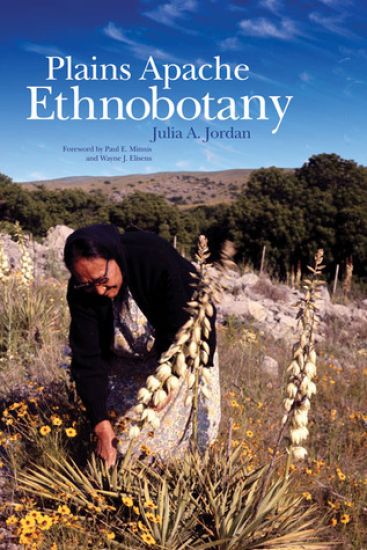
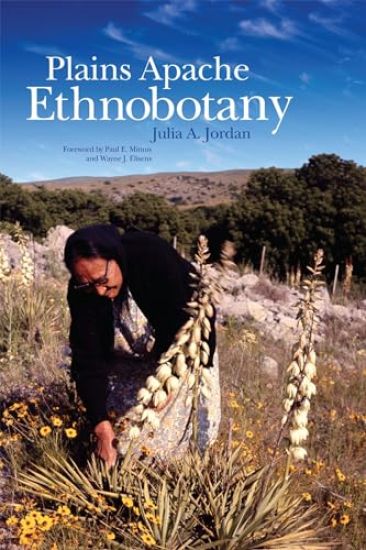
Plains Apache Ethnobotany

Plains Apache Ethnobotany

Julia A. Jordan; Paul E. Minnis; Wayne J. Elisens

UNIVERSITY OF OKLAHOMA PRESS
2024
nidottu
One tribe’s traditional knowledge of plants, presented for the first time Residents of the Great Plains since the early 1500s, the Apache people were well acquainted with the native flora of the region. In Plains Apache Ethnobotany, Julia A. Jordan documents more than 110 plant species valued by the Plains Apache and preserves a wealth of detail concerning traditional Apache collection, preparation, and use of these plant species for food, medicine, ritual, and material culture. The traditional Apache economy centered on hunting, gathering, and trading with other tribes. Throughout their long history the Apache lived in or traveled to many different parts of the plains, gaining an intimate knowledge of a wide variety of plant resources. Part of this traditional knowledge, especially that pertaining to plants of Oklahoma, has been captured here by Jordan’s fieldwork, conducted with elders of the Apache Tribe of Oklahoma in the mid-1960s, a time when much traditional knowledge was being lost. Plains Apache Ethnobotany is the most comprehensive ethnobotanical study of a southern plains tribe. Handsomely illustrated, this book is a valuable resource for ethnobotanists, anthropologists, historians, and anyone interested in American Indian use of native plants.

Family History: Thomas Ahab Nickell & Cora May Iverson Nickell

Family History: Thomas Ahab Nickell & Cora May Iverson Nickell

Julia a. Jordan; Frances Mikulas; Nancy Nickell Ragno

Createspace Independent Publishing Platform
2018
nidottu
The ancestors of Thomas Ahab Nickell came from the Scottish Highlands - from Clan Mac Nicol on the Island of Skye in the Hebrides, from which it is said they joined with bands of Vikings in their raids of the coast of England. Later, they were lured to Northern Ireland and then to the wilderness of the American frontier. But that is another story. Cora May Iverson's ancestors, on the other hand, came from the home of the Vikings - Norway, both the mountainous valleys of the east and the long, deep, inner fjords of the west. They, too, were drawn to leave their homeland by the appeal of the American frontier. Two children of these diverse family backgrounds -Thomas Ahab and Cora May -- were destined to meet in the frontier town of Huron, South Dakota, and to marry. Both of their families were homesteaders whose fathers had been given preference as Civil War veterans to stake a claim in the Dakota Territory. This book is an attempt to capture a bit of their history, to gather together facts and details about their life and times and of those who came before them, to try to preserve a bit of family history while it is still possible, before it disappears or is forgotten in the inevitable passing of time. Included also are brief articles about the historic Nickell Homestead and Mill and about two legendary family members: Roger Williams--founder of Rhode Island and of the Baptist Church in America, and Jedediah Smith- the great Western explorer and Mountain Man. Highlights from history include: --Life aboard ship traveling "steerage class" in the six-week ocean voyage to America --Mauled by a grizzly bear: scalp hanging by a thread is sewed on by a friend -- Escape from a Confederate Prisoner of War Camp by hiding between logs in a river and breathing through a hollow reed --The Great Chicago Fire of 1871 -- The Blizzard of 1888 and the Schoolhouse Blizzard
Plains Apache Ethnobotany

Plains Apache Ethnobotany

Julia A. Jordan; Paul E. Minnis; Wayne J. Elisens

University of Oklahoma Press
2008
sidottu
One tribe's traditional knowledge of plants, presented for the first timeResidents of the Great Plains since the early 1500s, the Apache people were well acquainted with the native flora of the region. In Plains Apache Ethnobotany, Julia A. Jordan documents more than 110 plant species valued by the Plains Apache and preserves a wealth of detail concerning traditional Apache collection, preparation, and use of these plant species for food, medicine, ritual, and material culture. The traditional Apache economy centered on hunting, gathering, and trading with other tribes. Throughout their long history the Apache lived in or traveled to many different parts of the plains, gaining an intimate knowledge of a wide variety of plant resources. Part of this traditional knowledge, especially that pertaining to plants of Oklahoma, has been captured here by Jordan's fieldwork, conducted with elders of the Apache Tribe of Oklahoma in the mid-1960s, a time when much traditional knowledge was being lost. Plains Apache Ethnobotany is the most comprehensive ethnobotanical study of a southern plains tribe. Handsomely illustrated, this book is a valuable resource for ethnobotanists, anthropologists, historians, and anyone interested in American Indian use of native plants.