Kirjojen hintavertailu – 12 875 515 kirjaa ja 26 kauppaa

Kirjailija

Julia Grant

Kirjat ja teokset yhdessä paikassa: 4 kirjaa, julkaisuja vuosilta 2012–2026, suosituimpiin kuuluu Myrkyllinen onni. Vertaile teosten hintoja ja tarkista saatavuus suomalaisista kirjakaupoista.

4 kirjaa

Kirjojen julkaisuvuodet: 2012–2026.

Myrkyllinen onni

Myrkyllinen onni

Julia Grant

Calidris
2026
nidottu
Myrkyllinen onni - säeromaani selviytymisestä Myrkyllinen onni on tarina selviytymisestä ja sisäisestä vapaudesta. Se perustuu kirjoittajan omaan kokemukseen väkivallasta, sen jättämästä kivusta ja toipumisesta. Kirjan vahva viesti on, että vaikka ihminen olisi palanut loppuun, aina on mahdollista löytää toivo ja aloittaa elämä alusta. Tämä teos on matka pimeydestä valoon - ja todiste siitä, että rakkaus ja rohkeus voivat voittaa pelon. JULIA GRANT on juristi ja kirjailija, joka on perustanut oman yrityksen Suomessa. Hänen työnsä ja tekstinsä heijastavat vahvasti ihmisoikeuksiin, oikeudenmukaisuuteen ja elämänhallintaan liittyviä teemoja. Myrkyllinen onni on Grantin esikoisteos- koskettava ja toiveikas kertomus kivusta, toipumisesta ja uuden elämän rakentamisesta.
The Boy Problem

The Boy Problem

Julia Grant

Johns Hopkins University Press
2014
sidottu
America's educational system has a problem with boys, and it's nothing new. The question of what to do with boys - the "boy problem" - has vexed educators and social commentators for more than a century. Contemporary debates about poor academic performance of boys, especially those of color, point to a myriad of reasons: inadequate and punitive schools, broken families, poverty, and cultural conflicts. Julia Grant offers a historical perspective on these debates and reveals that it is a perennial issue in American schooling that says much about gender and education today. Since the birth of compulsory schooling, educators have contended with what exactly to do with boys of immigrant, poor, minority backgrounds. Initially, public schools developed vocational education and organized athletics and technical schools as well as evening and summer continuation schools in response to the concern that the American culture of masculinity devalued academic success in school. Urban educators sought ways to deal with the "bad boys" - almost exclusively poor, immigrant, or migrant - who skipped school, exhibited behavioral problems when they attended, and sometimes landed in special education classes and reformatory institutions. The problems these boys posed led to accommodations in public education and juvenile justice system. This historical study sheds light on contemporary concerns over the academic performance of boys of color who now flounder in school or languish in the juvenile justice system. Grant's cogent analysis will interest education policy-makers and educators, as well as scholars of the history of education, childhood, gender studies, American studies, and urban history.

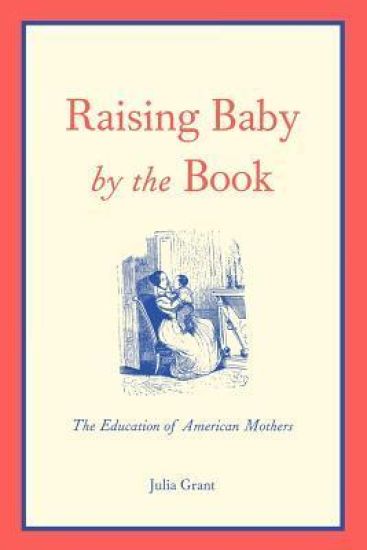
Raising Baby by the Book

Raising Baby by the Book

Julia Grant

Yale University Press
2012
pokkari
Although most nineteenth-century American parents relied staunchly on common sense in raising their children, by the 1920s parents were being urged to adopt a scientific approach to child rearing. Today, American parents are besieged with medical and psychological advice about bringing up "normal" children. In this survey of the education of American mothers, Julia Grant shows how the tides of opinion about proper child care have shifted from the early 1800s, when maternal associations discussed biblical and secular theories of child rearing, through the 1950s, when books like Spock’s Baby and Child Care were widely consulted, to today’s television advice-givers. Drawing on a wide range of historical sources—from letters written to child-rearing experts to the minutes of mothers’ study clubs—Grant provides access to the voices of mothers from diverse class and ethnic backgrounds, revealing the impact of "expert" advice on maternal thinking and practices. Grant’s review of child-rearing literature extends from Locke and Rousseau to Gesell, Ilg and Ames, Spock, Brazelton, Leach, and Elkind. She describes the "medicalization" of mothering, ongoing negotiations between mothers and professionals, and women’s reactions to the experts’ recommendations. As mothers have increasingly sought assistance in the complex enterprise of raising children, Grant finds, they have become discriminating consumers of professional advice—choosing to follow it, ignore it, or adapt it to their individual circumstances.