Kirjojen hintavertailu – 12 859 828 kirjaa ja 27 kauppaa

Kirjailija

Julian C. Hughes

Kirjat ja teokset yhdessä paikassa: 6 kirjaa, julkaisuja vuosilta 2006–2020, suosituimpiin kuuluu Ethical Issues in Dementia Care. Vertaile teosten hintoja ja tarkista saatavuus suomalaisista kirjakaupoista.

6 kirjaa

Kirjojen julkaisuvuodet: 2006–2020.

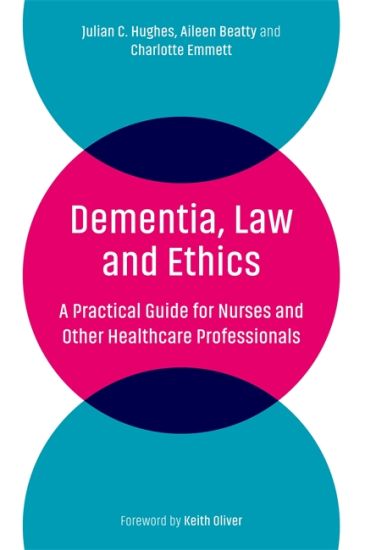
Dementia, Law and Ethics

Dementia, Law and Ethics

Julian C. Hughes; Aileen Beatty; Charlotte Emmett

Jessica Kingsley Publishers
2020
pokkari
Clinical dilemmas in dementia contexts are often not because the clinical facts are in doubt, but because the ethical and legal underpinnings are uncertain - which can cause worry and confusion. This practical book will help nurses, healthcare assistants and other practitioners to think through their responses clearly in the midst of these difficultsituations. The chapters all stand alone, allowing the reader to dip quickly in and out of the book as required. They address complex issues such as abuse, behaviour that challenges, forced care, treatment withdrawal, and contain clinical case vignettes throughout. This is essential reading to give practitioners the confidence that good legal and ethical decisions can be made in the same way as good clinical decisions.
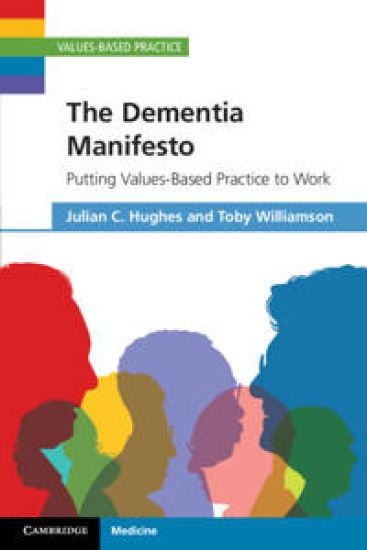
The Dementia Manifesto

The Dementia Manifesto

Julian C. Hughes; Toby Williamson

Cambridge University Press
2019
pokkari
This book represents a new turn in approaching dementia. It is a manifesto which sets out important principles about the nature of dementia both as a disease and as a disability and explores how a values-based, person-centred and rights-based approach can be applied to every aspect of the experience of dementia. Using vignettes, the book covers a variety of issues such as diagnosis, treatment, care, social attitudes, research, public policy and funding. It reflects the considerations of the patient and their carers as well as the perspectives of healthcare professionals, researchers and policy makers. The Dementia Manifesto promotes the concepts of 'values' and disability rights, as well as the growing focus on creating an environment for people to live well with their condition. It will appeal to a range of clinicians, practitioners, academics and students from a variety of specialties.
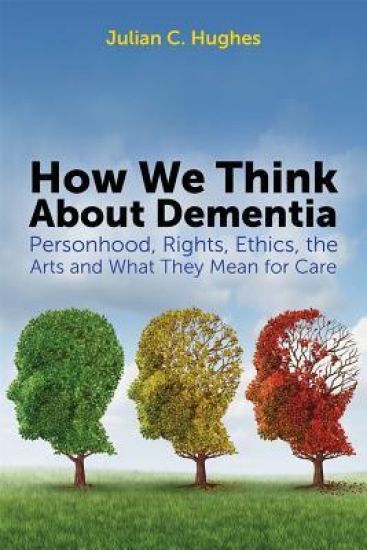
How We Think About Dementia

How We Think About Dementia

Julian C. Hughes

Jessica Kingsley Publishers
2014
pokkari
Exploring concepts of ageing, personhood, capacity, liberty, best interests and the nature and ethics of palliative care, this book will help those in the caring professions to understand and engage with the thoughts and arguments underpinning the experience of dementia and dementia care. Dementia is associated with ageing: what is the significance of this? People speak about person-centred care, but what is personhood and how can it be maintained? What is capacity, and how is it linked with the way a person with dementia is cared for as a human being? How should we think about the law in relation to the care of older people? Is palliative care the right approach to dementia, and if so what are the consequences of this view? What role can the arts play in ensuring quality of life for people with dementia? In answering such questions, Julian Hughes brings our attention back to the philosophical and ethical underpinnings of dementia care, shedding new light on the significance and implications for those in the caring professions, academics and researchers, and those living with dementia and their families.
Alzheimer's and other Dementias

Alzheimer's and other Dementias

Julian C. Hughes

Oxford University Press
2011
nidottu
With more people in the world living into older age, Alzheimer's and other Dementias: The Facts takes a comprehensive look at the spread of dementia, and provides authoritative information and practical advice for sufferers, their families, and the medical professionals who care for them. Written by a consultant in old age psychiatry, the book provides an overview of all the different types of dementia (including younger-onset dementias), from the most-recognized - Alzheimer's - to the less-frequent types, such as those caused by inherited metabolic disorders or HIV. The book guides the reader step-by-step through how the brain works, and explains in clear and simple language the effect of dementias on the brain, and the impact on an individual's cognitive function. A dedicated chapter explains how a diagnosis is reached, including the different modes of assessment, from blood tests carried out by a GP, to specialist scans, highlighting how the brain actually works. Detailed sections cover the latest treatments available, including the controversial use of antipsychotic medication, and the possibility of disease-modifying treatments in the future. The book also explains how the multi-disciplinary team works together to look after the sufferer's social needs, such as bathing and washing, as well as their spiritual and palliative needs. Alzheimer's and other Dementias: The Facts provides all the relevant information and guidance for sufferers, family and their care-givers to choose the right intervention at the right time, to create - as the book advocates - a unique and personalized management plan.
Thinking Through Dementia

Thinking Through Dementia

Julian C. Hughes

Oxford University Press
2011
nidottu
With a rapidly expanding elderly population, there has been a marked increase in the incidence of dementia, and this dreadful, debilitating illness now affects - directly or indirectly - millions of people across the world. Dementia throws up a number of particular clinical, ethical, and conceptual problems, which mostly reflect complicated evaluative decisions, for instance about diagnosis and the distinction between normal and abnormal ageing. Different disciplines approach dementia in different ways - thus there are disease, cognitive neuropsychology, and social constructivist models of dementia, Underlying these models and approaches, each of which is clinically useful, are various and differing conceptual committments. These models carry ethical implications concerning how we ought to treat people suffereing from dementia. Thinking through Dementia offers a critique of the main models used to understand dementia-the biomedical, neuropsychological, and social constructionist. It discusses both clinical issues and cases, together with philosophical work that might help us better understand and treat this illness. Drawing on philosophical critique of models of dementia, as well as empirical data and clinical experience, the book unifies the biological, psychological, and social accounts of illness and disease. Highly original and thought provoking, this book will interest psychiatrists, philosophers, psychologists, and anyone involved in the care and management of those with dementia.
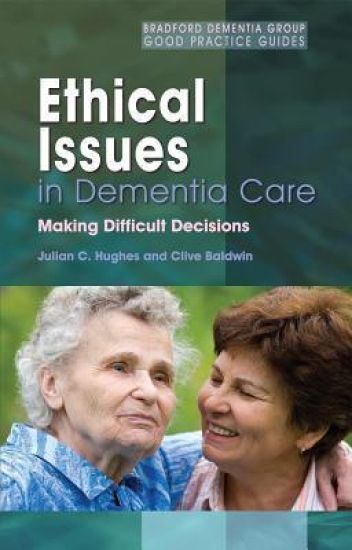
Ethical Issues in Dementia Care

Ethical Issues in Dementia Care

Julian C. Hughes; Clive Baldwin

Jessica Kingsley Publishers
2006
pokkari
Bradford Dementia Group Good Practice GuidesThere are always difficult day to day decisions to be faced when caring for a person with dementia - from knowing how to deal with wandering to end of life decisions. Many of these decisions are underpinned by value judgments about right and wrong and reflect a particular view of dementia. This book considers these ethical decisions in the context of relationships, treatment, safety and quality of life, offering practical guidance and advice. It draws on the experiences of family carers as well as on existing research and emphasizes the importance of empathy and the need to acknowledge different perspectives in order to reach the best decision for the person with dementia. In particular the authors discuss the way that decision makers are themselves changed by the decisions they make, and the impact of this on the decision-making process. This book should be read by all those who work caring for people with dementia.