Kirjojen hintavertailu – 12 859 819 kirjaa ja 27 kauppaa

Kirjailija

Justin Willis

Kirjat ja teokset yhdessä paikassa: 4 kirjaa, julkaisuja vuosilta 1993–2021, suosituimpiin kuuluu The Moral Economy of Elections in Africa. Vertaile teosten hintoja ja tarkista saatavuus suomalaisista kirjakaupoista.

4 kirjaa

Kirjojen julkaisuvuodet: 1993–2021.

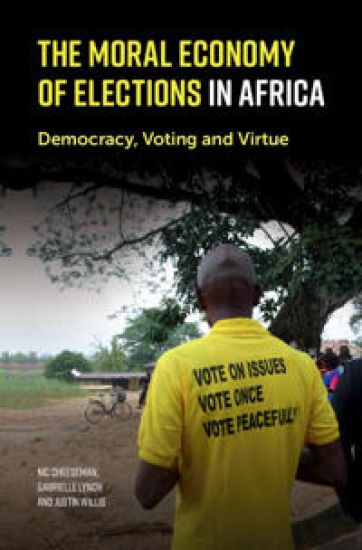
The Moral Economy of Elections in Africa

The Moral Economy of Elections in Africa

Nic Cheeseman; Gabrielle Lynch; Justin Willis

Cambridge University Press
2021
sidottu
Do elections turn people into democratic citizens? Elections have long been seen as a way to foster democracy, development and security in Africa, with many hoping that the secret ballot would transform states. Adopting a new approach that focusses on the moral economy of elections, Nic Cheeseman, Gabrielle Lynch and Justin Willis show how elections are shaped by competing visions of what it means to be a good leader, bureaucrat or citizen. Using a mixed-methods study of elections in Ghana, Kenya and Uganda, they explore moral claims made by officials, politicians, civil society, international observers and voters themselves. This radical new lens reveals that elections are the site of intense moral contestation, which helps to explain why there is such vigourous participation in processes that often seem flawed. Demonstrating the impact of these debates on six decades of electoral practice, they explain why the behaviour of those involved so frequently transgresses national law and international norms, as well as the ways in which such transgressions are evaluated and critiqued – so that despite the purported significance of 'vote-buying', the candidates that spend the most do not always win.
The Moral Economy of Elections in Africa

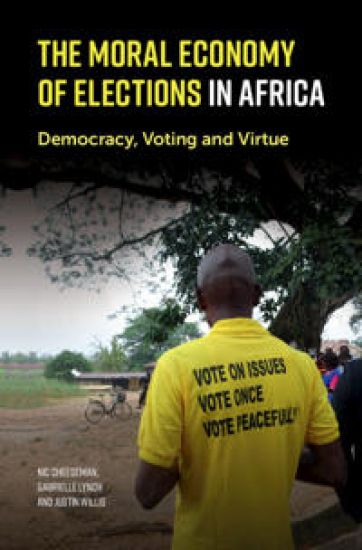
The Moral Economy of Elections in Africa

Nic Cheeseman; Gabrielle Lynch; Justin Willis

Cambridge University Press
2021
pokkari
Do elections turn people into democratic citizens? Elections have long been seen as a way to foster democracy, development and security in Africa, with many hoping that the secret ballot would transform states. Adopting a new approach that focusses on the moral economy of elections, Nic Cheeseman, Gabrielle Lynch and Justin Willis show how elections are shaped by competing visions of what it means to be a good leader, bureaucrat or citizen. Using a mixed-methods study of elections in Ghana, Kenya and Uganda, they explore moral claims made by officials, politicians, civil society, international observers and voters themselves. This radical new lens reveals that elections are the site of intense moral contestation, which helps to explain why there is such vigourous participation in processes that often seem flawed. Demonstrating the impact of these debates on six decades of electoral practice, they explain why the behaviour of those involved so frequently transgresses national law and international norms, as well as the ways in which such transgressions are evaluated and critiqued – so that despite the purported significance of 'vote-buying', the candidates that spend the most do not always win.
Potent Brews

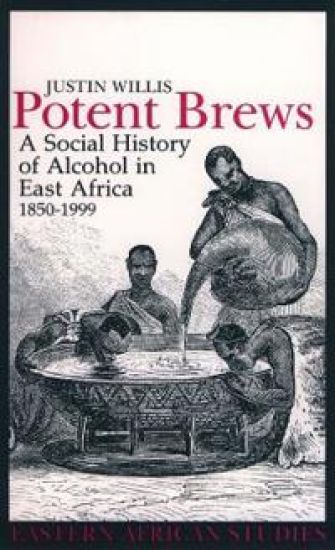
Potent Brews

Justin Willis

James Currey
2002
pokkari
This is the first general history of alcohol and drinking in East Africa. Contributes to an emerging field of African social history in distinctive and innovative ways. Willis's central theme is power - from customary beliefs in alcohol as a symbol of authority and a means of enhancement and privilege,to the use of power in advertising and discourse on the consumption of modern bottled beers and spirits. It is Willis's contention that attitudes towards alcohol have become more similar across the region over time. Willis achieves a full chronological span of nearly two centuries. He lays considerable emphasis upon the late-colonial and post-colonial years; thus bringing out the continuities of these years which historians of eastern Africa have tended tooverlook. Oral material from three case study areas in Uganda, Kenya and Tanzania are integrally woven in with archival and newspaper sources, each reinforcing and elaborating the other. Published in association with The British Institute in Eastern Africa North America: Ohio U Press; Uganda: Fountain Publishers; Kenya: EAEP
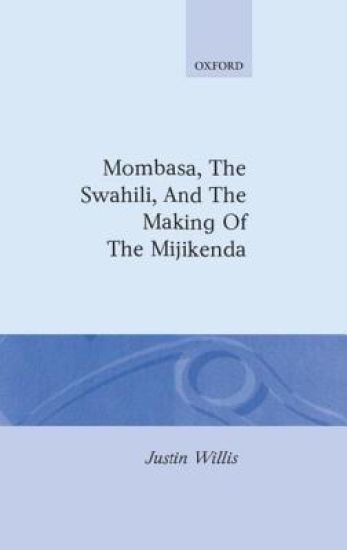
Mombasa, the Swahili, and the Making of the Mijikenda
This is a history of the Kenyan city of Mombasa and its surrounding settlements from the mid-nineteenth century to the height of colonial rule in the 1930s. Justin Willis sets out to place the island and town of Mombasa in its African context, incorporating the findings of recent historical and anthropological research. Dr Willis examines the institutions and social networks which simultaneously united and divided the people of the region before the colonial period, demonstrating both their interdependence and the creation of distinct population categories. He traces the development of these institutions under British rule, when the demands of the colonial economy caused officials to attempt far-reaching changes to the social structure and physically to remake the town of Mombasa. This is a radical re-interpretation of the history of Mombasa and its hinterland, based on thorough archival research. It offers valuable insights into the nature of ethnic identity, and makes an important contribution to the growing body of scholarly work on the African city.