Kirjojen hintavertailu – 12 903 735 kirjaa ja 27 kauppaa
Kirjailija
Kamal Kant Hiran
Kirjat ja teokset yhdessä paikassa: 5 kirjaa, julkaisuja vuosilta 2020–2026, suosituimpiin kuuluu RAG Artificial Intelligence. Vertaile teosten hintoja ja tarkista saatavuus suomalaisista kirjakaupoista.
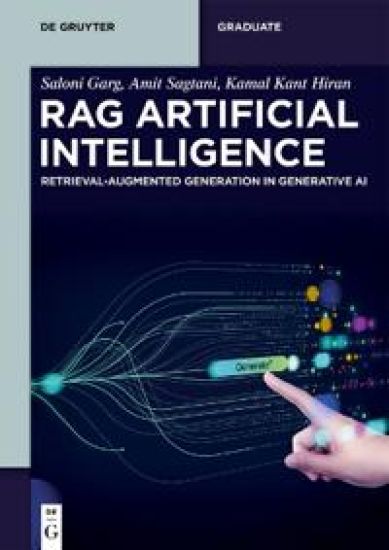
This book provides a deep dive into the foundations of RAG, covering transformer architectures, vector similarity search, and the integration of retrieval techniques into generative models. Readers will learn to implement RAG using open-source tools, explore real-world applications in chatbots, legal and medical document retrieval, and AI-assisted research, and address challenges like bias and misinformation.
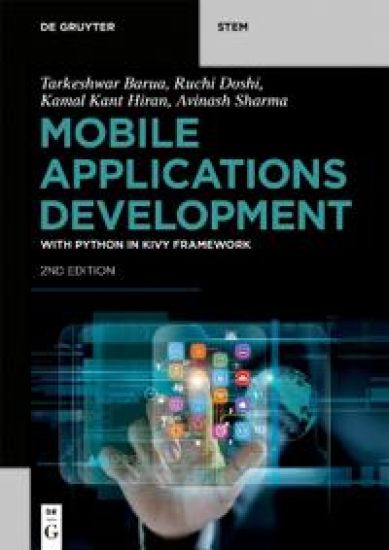
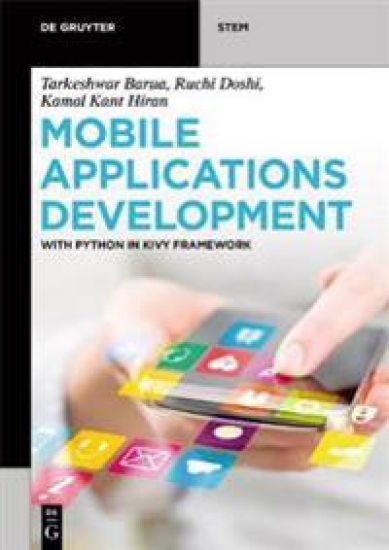
The book covers the concepts of Python programming language along with mobile application development. Starting from fundamentals, the book continues with the explanation of mobile app development using Kivy framework. All the chapters offer questions and exercises for to better understanding of the subject. This second revised and updated edition covers the most recent developments in Kivy since the publishing of the first edition.
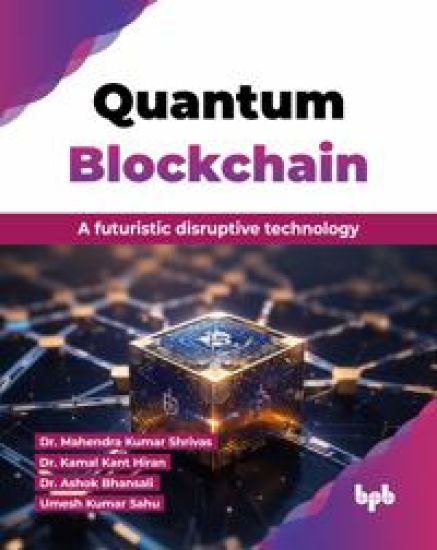
DESCRIPTION Quantum blockchain uses the power of quantum computing to solve issues like security and scalability that traditional blockchains face. With its ability to handle large data sets and solve complex problems much faster, it can greatly improve transaction speeds, security, and efficiency. This book begins by explaining the basics of blockchain technology, including its history, platforms, and features. It further covers the cryptographic techniques that keep blockchain secure, like encryption and hash functions. The book also explains smart contracts, agreements coded directly into the software, and how they work in Bitcoin and Ethereum. Additionally, this book guides you through enterprise blockchain platforms like IBM Blockchain, Hyperledger, Quorum, and R3 Corda, highlighting their components and real-world use cases. This book also includes quantum computing, its principles, and how it poses security challenges for blockchain. Finally, it touches on post-quantum cryptography and the idea of quantum blockchain, exploring their potential to enhance security and efficiency in the future. By the end of this book, you will have a solid understanding of the principles and potential of quantum blockchain. Further, you will be equipped with the knowledge to evaluate the impact of quantum computing on blockchain technology and its future applications. WHAT YOU WILL LEARN● Understand the key concepts, platform types, and their unique features.● Learn about the journey of blockchain from its early versions to advanced iterations.● Discover the potential and importance of quantum blockchain and its resistance to traditional vulnerabilities.● Real-world applications with usage in areas like land registry and international trade.● Cryptography fundamentals like encryption, digital signatures, and how they protect blockchain transactions. WHO THIS BOOK IS FORThis book is perfect for blockchain and quantum computing enthusiasts, cryptocurrency developers, enterprise professionals, cybersecurity experts, researchers, and tech entrepreneurs. It provides valuable insights for both beginners and advanced learners in these fields.
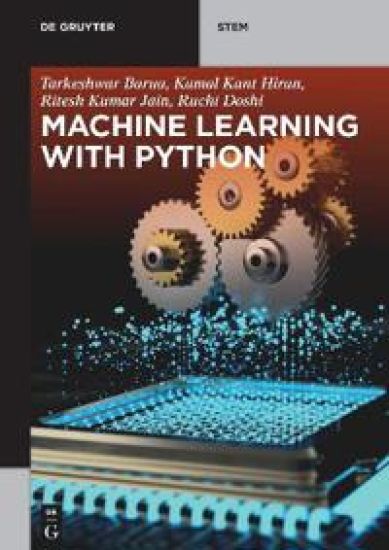
This book explains how to use the programming language Python to develop machine learning and deep learning tasks. It provides readers with a solid foundation in the fundamentals of machine learning algorithms and techniques. The book covers a wide range of topics, including data preprocessing, supervised and unsupervised learning, model evaluation, and deployment. By leveraging the power of Python, readers will gain the practical skills necessary to build and deploy effective machine learning models, making this book an invaluable resource for anyone interested in exploring the exciting world of artificial intelligence.
The book covers the concepts of Python programming language along with mobile application development. Starting from fundamentals, the book continues with the explanation of mobile app development using Kivy framework. All the chapters offer questions and exercises for to better understanding of the subject. At the end of the book some hands-on projects are given to help the readers to improve their programming and project development skills.