
Kirjojen hintavertailu – 12 903 724 kirjaa ja 27 kauppaa

Kirjailija

Kanako Taku

Kirjat ja teokset yhdessä paikassa: 4 kirjaa, julkaisuja vuosilta 2018–2025, suosituimpiin kuuluu Posttraumatic Growth. Vertaile teosten hintoja ja tarkista saatavuus suomalaisista kirjakaupoista.

4 kirjaa

Kirjojen julkaisuvuodet: 2018–2025.

Posttraumatic Growth

Posttraumatic Growth

Richard G. Tedeschi; Jane Shakespeare-Finch; Kanako Taku; Bret A. Moore

TAYLOR FRANCIS LTD
2025
sidottu
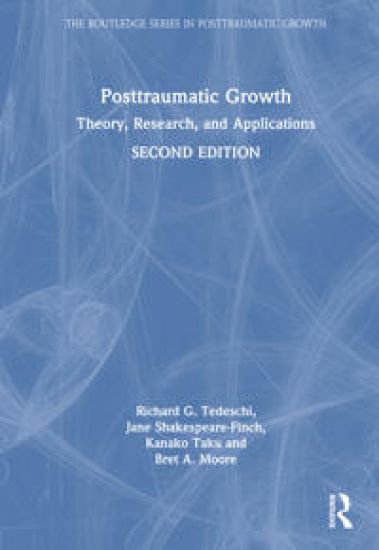
The new edition of Posttraumatic Growth: Theory, Research, and Applications includes the latest developments in the science of posttraumatic growth, including responses to the COVID-19 pandemic, epigenetics, and new interventions to facilitate growth after trauma. The book provides a wide range of answers to questions about the theory behind posttraumatic growth (PTG), its synthesis and contrast with other theories and models, and its applications in diverse settings. Posttraumatic Growth starts with an overview of the history, components, and outcomes of PTG. Next, chapters review quantitative, qualitative, and cross-cultural research on PTG, including in relation to cognitive function, identity formation, cross-national and gender differences, and similarities and differences between adults and children. The final section shows readers how to facilitate optimal outcomes with PTG at the level of the individual, the group, the community, and society.
Posttraumatic Growth

Posttraumatic Growth

Richard G. Tedeschi; Jane Shakespeare-Finch; Kanako Taku; Bret A. Moore

TAYLOR FRANCIS LTD
2025
nidottu
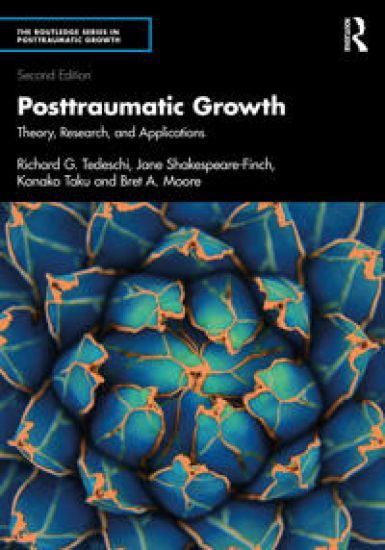
The new edition of Posttraumatic Growth: Theory, Research, and Applications includes the latest developments in the science of posttraumatic growth, including responses to the COVID-19 pandemic, epigenetics, and new interventions to facilitate growth after trauma. The book provides a wide range of answers to questions about the theory behind posttraumatic growth (PTG), its synthesis and contrast with other theories and models, and its applications in diverse settings. Posttraumatic Growth starts with an overview of the history, components, and outcomes of PTG. Next, chapters review quantitative, qualitative, and cross-cultural research on PTG, including in relation to cognitive function, identity formation, cross-national and gender differences, and similarities and differences between adults and children. The final section shows readers how to facilitate optimal outcomes with PTG at the level of the individual, the group, the community, and society.

Posttraumatic Growth

Posttraumatic Growth

Richard G. Tedeschi; Jane Shakespeare-Finch; Kanako Taku

Routledge
2018
nidottu
Posttraumatic Growth reworks and overhauls the seminal 2006 Handbook of Posttraumatic Growth. It provides a wide range of answers to questions concerning knowledge of posttraumatic growth (PTG) theory, its synthesis and contrast with other theories and models, and its applications in diverse settings. The book starts with an overview of the history, components, and outcomes of PTG. Next, chapters review quantitative, qualitative, and cross-cultural research on PTG, including in relation to cognitive function, identity formation, cross-national and gender differences, and similarities and differences between adults and children. The final section shows readers how to facilitate optimal outcomes with PTG at the level of the individual, the group, the community, and society.

Posttraumatic Growth

Posttraumatic Growth

Richard G. Tedeschi; Jane Shakespeare-Finch; Kanako Taku

Routledge
2018
sidottu
Posttraumatic Growth reworks and overhauls the seminal 2006 Handbook of Posttraumatic Growth. It provides a wide range of answers to questions concerning knowledge of posttraumatic growth (PTG) theory, its synthesis and contrast with other theories and models, and its applications in diverse settings. The book starts with an overview of the history, components, and outcomes of PTG. Next, chapters review quantitative, qualitative, and cross-cultural research on PTG, including in relation to cognitive function, identity formation, cross-national and gender differences, and similarities and differences between adults and children. The final section shows readers how to facilitate optimal outcomes with PTG at the level of the individual, the group, the community, and society.