
Kirjailija
Karel Capek
Kirjat ja teokset yhdessä paikassa: 145 kirjaa, julkaisuja vuosilta 1984–2026, suosituimpiin kuuluu W.U.R. Werstands Universal Robots. Vertaile teosten hintoja ja tarkista saatavuus suomalaisista kirjakaupoista.
Nimi esiintyy myös muodoissa: Karel Čapek
145 kirjaa
Kirjojen julkaisuvuodet: 1984–2026.

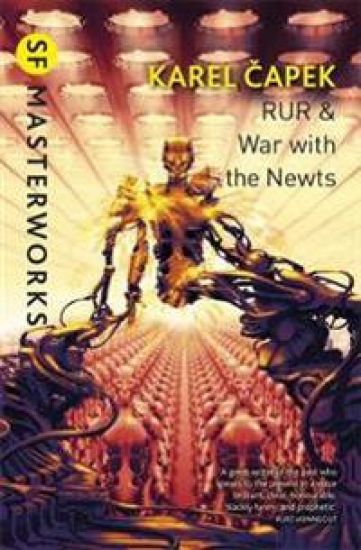
Two dystopian satires from one of the most distinguished writers of 20th-century European science fiction. R. U. R. is the work that first introduced the word 'robot' into popular usage.
Thank you for checking out this book by Theophania Publishing. We appreciate your business and look forward to serving you soon. We have thousands of titles available, and we invite you to search for us by name, contact us via our website, or download our most recent catalogues. R. U. R. is a science fiction play in the Czech language by Karel Capek. R. U. R. stands for Rossum's Universal Robots, an English phrase used as the subtitle in the Czech original. It premiered in 1921 and introduced the word "robot" to the English language and to science fiction as a whole. The play begins in a factory that makes artificial people called "robots". Unlike the modern usage of the term, these creatures are closer to the modern idea of androids or even clones, as they can be mistaken for humans and can think for themselves. They seem happy to work for humans, although that changes and a hostile robot rebellion leads to the extinction of the human race. After finishing the manuscript, Capek realized that he had created a modern version of the Jewish Golem legend. He later took a different approach to the same theme in War with the Newts, in which non-humans become a servant class in human society. R. U. R is dark but not without hope, and was successful in its day in both Europe and the United States.

Záivé hlubiny; a jiné prosy. Illustroval a vypravil Vlastislav Hofman
Karel Capek
BIBLIOLIFE, LLC
2010
pokkari
Den tsjekkiske samfunnskritiske forfatteren Karel Capek (1890-1938) viser her sin humoristiske side. Vi blir kjent med hans firbente venner, som alle har sin personlighet og sitt særpreg. Boken blir regnet som en klassiker i forfatterens hjemland og er fortsatt svært populær.
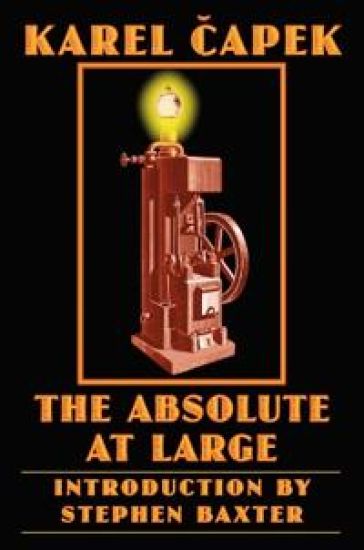
In this satirical classic, a brilliant scientist invents the Karburator, a reactor that can create abundant and practically free energy. However, the Karburator's superefficient energy production also yields a powerful by-product. The machine works by completely annihilating matter and in so doing releases the Absolute, the spiritual essence held within all matter, into the world. Infected by the heady, pure Absolute, the world's population becomes consumed with religious and national fervor, the effects of which ultimately cause a devastating global war. Set in the mid-twentieth century, The Absolute at Large questions the ethics and rampant spread of power, mass production, and atomic weapons that Karel Capek saw in the technological and political revolutions occurring around him. Stephen Baxter provides an introduction for this Bison Books edition.
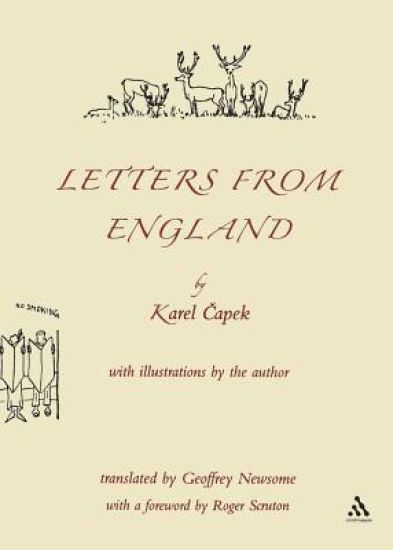
Anyone in search of England can do no better than to take up Karel Capek's Letters from England. Humorous, insightful and imbued with a profound humanity, Capek's letters convey a bemused admiration for a country which in the 1920's still lived according to the memory of its greatness. With a light touch and artistic flourish, Capek describes the virtues and vices of Europe's oldest democracy for the benefit of the citizens of Europe's newest. As Czechoslovakia emerged as an independent nation after years of Hapsburg domination, its citizens empathised with the British love of their country and their customs. Letters From England was banned by the Nazi's and later by the Communists. This new translation gives us a rare opportunity to enjoy the unusual foundations of a national culture.
A visionary work of science fiction that introduced the word "robot"Written in 1920, premiered in Prague in 1921, and first performed in New York in 1922—garnered worldwide acclaim for its author and popularized the word robot. Mass-produced as efficient laborers to serve man, Capek’s Robots are an android product—they remember everything but think of nothing new. But the Utopian life they provide ultimately lacks meaning, and the humans they serve stop reproducing. When the Robots revolt, killing all but one of their masters, they must strain to learn the secret of self-duplication. It is not until two Robots fall in love and are christened “Adam” and “Eve” by the last surviving human that Nature emerges triumphant. For more than seventy years, Penguin has been the leading publisher of classic literature in the English-speaking world. With more than 1,700 titles, Penguin Classics represents a global bookshelf of the best works throughout history and across genres and disciplines. Readers trust the series to provide authoritative texts enhanced by introductions and notes by distinguished scholars and contemporary authors, as well as up-to-date translations by award-winning translators.
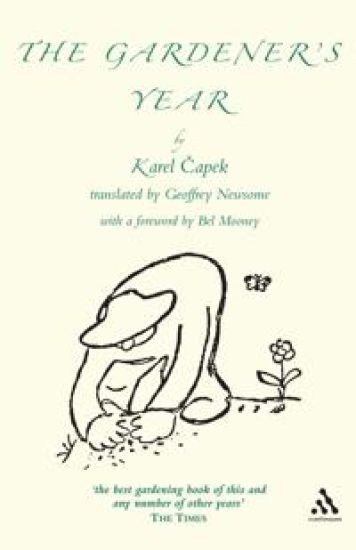
It is seldom that a practical guide to gardening attains the level of a literary masterpiece, still more seldom that a book on gardening can amuse and instruct even those who have no garden to plant, nor the faintest interest in acquiring one The Gardener's Year is a characteristic product of Karel Capek's genius: amusing, informative, and full of a quizzical interest in people, animals and plants. In this new version Geoffrey Newsome - the highly acclaimed translator of Capek's witty Letters from England - has captured the grace and irony of the original Czech, to produce a volume that will be treasured equally by those who love gardening as a relaxation, by those who loathe it as a chore, and by those who have no interest in it whatsoever. This edition includes the original illustrations by the painter Josef Capek, the author's brother, who collaborated with Karel on many artistic projects.
From the internationally acclaimed Czech writer Karel Capek comes this beautifully written and marvelously apt account of the trials and tribulations of the gardener’s life. First published in Prague in 1929, The Gardener’s Year combines a richly comic portrait of life in the garden, narrated month by month, with a series of delightful illustrations by the author’s older brother and collaborator, Josef. Capek’s gardeners—all too human, despite their lofty aspirations—often look the fool, whether they be found sopping wet, victims of the cobralike water hose, or hunched over, hands immersed in the soil, “presenting their rumps to the splendid azure sky.” In their repeated folly, Capek gives us not only cause for laughter but also, in the end, “testimony of the imperishable and miraculous optimism of the human race.” This Modern Library edition is published with a new Introduction by Verlyn Klinkenborg, a New York Times editorialist and the author of Making Hay and The Last Fine Time.
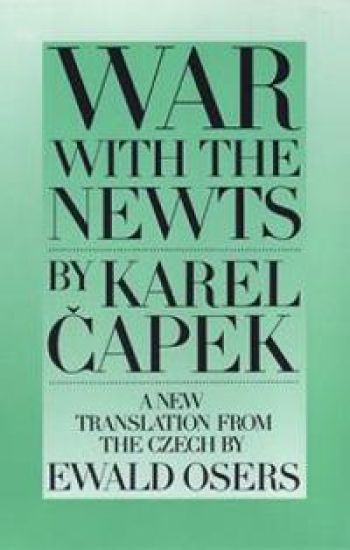
An inspiration to writers such as Orwell and Vonnegut, this is one of the great anti-utopian satires of the twentieth century and is now regarded as a modern classic.
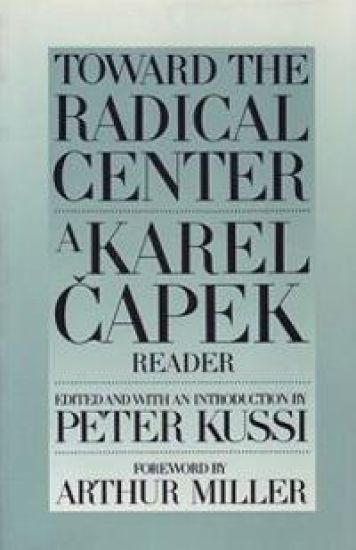
Includes a selection of Capek's best plays, stories, columns, essays, and travel writing, all newly translated or modernized.