Kirjojen hintavertailu – 12 903 724 kirjaa ja 27 kauppaa

Kirjailija

Karen Oslund

Kirjat ja teokset yhdessä paikassa: 3 kirjaa, julkaisuja vuosilta 2011–2026, suosituimpiin kuuluu Icelanders Eastward: Sailors and the Emerging Modern World. Vertaile teosten hintoja ja tarkista saatavuus suomalaisista kirjakaupoista.

3 kirjaa

Kirjojen julkaisuvuodet: 2011–2026.

Icelanders Eastward: Sailors and the Emerging Modern World

Icelanders Eastward: Sailors and the Emerging Modern World

Karen Oslund

LIVERPOOL UNIVERSITY PRESS
2026
sidottu
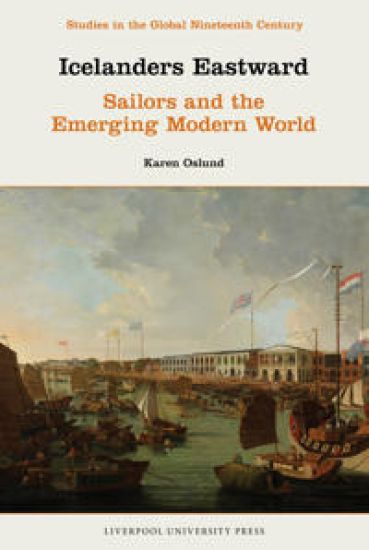
Icelanders Eastward: Sailors and the Emerging Modern World is the first translation from Icelandic of the narratives of two men – Árni Magnússon and Eiríkur Björnsson – who explored the world in the final years of the eighteenth century, sailing from Iceland to China in the Danish colonial service. During their adventures, they observed the lives of enslaved people in Africa, fought in the Russian–Ottoman wars in the Middle East, worked on fishing and whaling ships in Greenland, and lived in Danish settlements in Tamil Nadu, India. They are on-the-ground witnesses to the expansion of European colonial states and the impact of these states on the lives of the people of Africa, India, and China, and on the Inuit of Greenland. Their stories also illuminate shipboard life for ordinary sailors, demonstrating how European trading companies and their global ambitions were affecting the lives of Europeans at home as well as in the colonies and helping to shape the colonial empire. The book explores how ordinary people gained agency over their lives in the milieux of these trading companies, and how sailors such as Árni and Eiríkur escaped the restrictions of the laws of the state and forged new lives for themselves across the globally connected world.
Iceland Imagined

Iceland Imagined

Karen Oslund; William Cronon

University of Washington Press
2013
pokkari
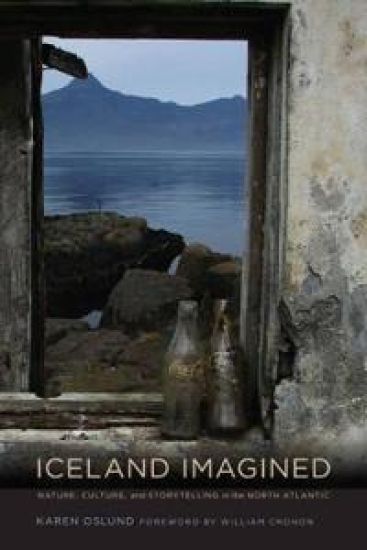
Iceland, Greenland, Northern Norway, and the Faroe Islands lie on the edges of Western Europe, in an area long portrayed by travelers as remote and exotic - its nature harsh, its people reclusive. Since the middle of the eighteenth century, however, this marginalized region has gradually become part of modern Europe, a transformation that is narrated in Karen Oslund's Iceland Imagined. This cultural and environmental history sweeps across the dramatic North Atlantic landscape, exploring its unusual geography, saga narratives, language, culture, and politics, and analyzing its emergence as a distinctive and symbolic part of Europe. The earliest visions of a wild frontier, filled with dangerous and unpredictable inhabitants, eventually gave way to images of beautiful, well-managed lands, inhabited by simple but virtuous people living close to nature. This transformation was accomplished by state-sponsored natural histories of Iceland which explained that the monsters described in medieval and Renaissance travel accounts did not really exist, and by artists who painted the Icelandic landscapes to reflect their fertile and regulated qualities. Literary scholars and linguists who came to Iceland and Greenland in the nineteenth century related the stories and the languages of the "wild North" to those of their home countries.
Iceland Imagined

Iceland Imagined

Karen Oslund; William Cronon

University of Washington Press
2011
sidottu
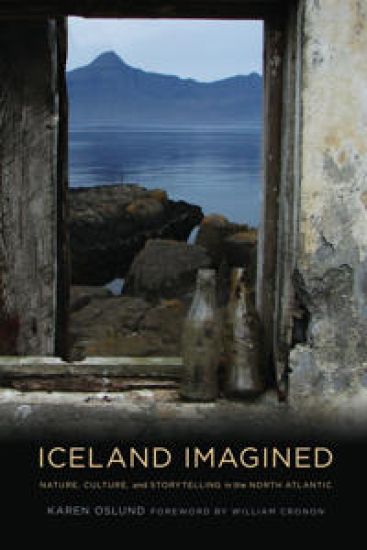
Iceland, Greenland, Northern Norway, and the Faroe Islands lie on the edges of Western Europe, in an area long portrayed by travelers as remote and exotic - its nature harsh, its people reclusive. Since the middle of the eighteenth century, however, this marginalized region has gradually become part of modern Europe, a transformation that is narrated in Karen Oslund's Iceland Imagined. This cultural and environmental history sweeps across the dramatic North Atlantic landscape, exploring its unusual geography, saga narratives, language, culture, and politics, and analyzing its emergence as a distinctive and symbolic part of Europe. The earliest visions of a wild frontier, filled with dangerous and unpredictable inhabitants, eventually gave way to images of beautiful, well-managed lands, inhabited by simple but virtuous people living close to nature. This transformation was accomplished by state-sponsored natural histories of Iceland which explained that the monsters described in medieval and Renaissance travel accounts did not really exist, and by artists who painted the Icelandic landscapes to reflect their fertile and regulated qualities. Literary scholars and linguists who came to Iceland and Greenland in the nineteenth century related the stories and the languages of the "wild North" to those of their home countries.