Kirjojen hintavertailu – 12 903 725 kirjaa ja 27 kauppaa

Kirjailija

Karen Sandness

Kirjat ja teokset yhdessä paikassa: 3 kirjaa, julkaisuja vuosilta 1998–1999, suosituimpiin kuuluu The Evolution of the Japanese Past and Perfective Suffixes. Vertaile teosten hintoja ja tarkista saatavuus suomalaisista kirjakaupoista.

3 kirjaa

Kirjojen julkaisuvuodet: 1998–1999.

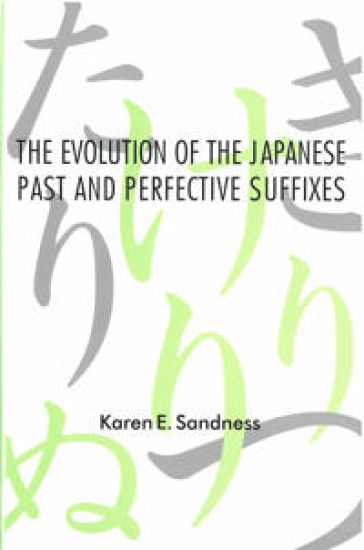
The Evolution of the Japanese Past and Perfective Suffixes

The Evolution of the Japanese Past and Perfective Suffixes

Karen Sandness

The University of Michigan Press
1999
sidottu
The inflectional morphology of the classical Japanese of the Heian period (794–1185) is markedly different from that of modern standard Japanese. In particular, five temporal and aspectual suffixes, -ki, -keri, -ri, -nu, and -tu, have disappeared, and a sixth, -tari, has evolved into the modern past and perfective suffix -ta. This study documents the changes in these six suffixes by examining their usage in literary works from the Heian period through the Kamakura period (1185–1334) and most of the Muromachi period (1114–1615). In her work, Karen E. Sandness succeeds in (1) presenting an internally consistent and workable analysis of classical Japanese suffixes, (2) explaining the evidence for the evolution and disappearance of these suffixes, and (3) pointing out the ways in which the dialectological and literary evidence support and contradict each other. The Evolution of the Japanese Past and Perfective Suffixes is important reading for those interested in Japanese language and linguistics. It will also aid scholars and students in reading and understanding various aspects of classical Japanese.
The Nanjing Massacre: A Japanese Journalist Confronts Japan's National Shame

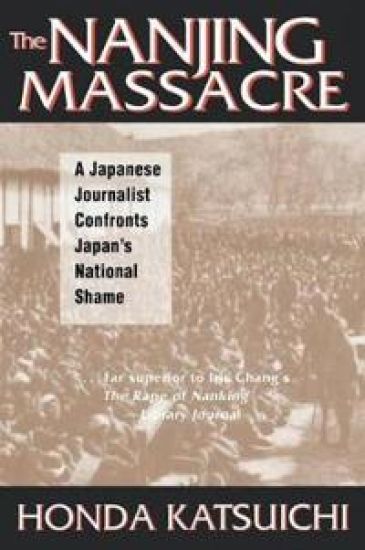
The Nanjing Massacre: A Japanese Journalist Confronts Japan's National Shame

Katsuichi Honda; Frank Gibney; Karen Sandness

Routledge
1998
nidottu
This book is based on four visits to China between 1971 and 1989 by Honda Katsuichi, an investigative journalist for Asahi Shimbun. His aim is to show in pitiless detail the horrors of the Japanese Army's seizure and capture of Nanjing in December 1937. Unvarnished accounts of the testimony - Chinese victims and Japanese perpetrators - to the rape and slaughter are juxtaposed with public relations announcements of the Japanese Army as printed in various Japanese newspapers of the time. The bland announcements of triumphant victories stand in bitter contrast to the atrocities that actually took place on the scene. The story unfolds with horrible detail as we watch the triumphant progress of the Japanese army whose troops were bent on rape and killing in the so-called "heat of battle." Yet by recalling the testimony of Japanese soldiers and reporters who were on the scene, as well as reproducing dispatches by Japanese Army authorities at the time, Honda makes it clear that the atrocities were part of a studied effort directed by the Japanese high command to impress the Chinese people with the power of its army and the folly of resistance to it - the estimate of 300,000 killed in these "military operations" is no exaggeratoin. Honda has worked with other Japanese journalists and scholars who have attempted to reveal the truth of the Nanjing massacre, provoked by the efforts of right-wing Japanese, including, sadly, many government officials, to whitewash the whole incident, even to the point of contending that a "massacre" never happened. This gripping account of the atrocities and cover-up joins other exposes - Chinese and now German - in keeping alive the memory of this shameful event.
The Nanjing Massacre: A Japanese Journalist Confronts Japan's National Shame

The Nanjing Massacre: A Japanese Journalist Confronts Japan's National Shame

Katsuichi Honda; Frank Gibney; Karen Sandness

Routledge
1998
sidottu
This book is based on four visits to China between 1971 and 1989 by Honda Katsuichi, an investigative journalist for Asahi Shimbun. His aim is to show in pitiless detail the horrors of the Japanese Army's seizure and capture of Nanjing in December 1937. Unvarnished accounts of the testimony - Chinese victims and Japanese perpetrators - to the rape and slaughter are juxtaposed with public relations announcements of the Japanese Army as printed in various Japanese newspapers of the time. The bland announcements of triumphant victories stand in bitter contrast to the atrocities that actually took place on the scene. The story unfolds with horrible detail as we watch the triumphant progress of the Japanese army whose troops were bent on rape and killing in the so-called "heat of battle." Yet by recalling the testimony of Japanese soldiers and reporters who were on the scene, as well as reproducing dispatches by Japanese Army authorities at the time, Honda makes it clear that the atrocities were part of a studied effort directed by the Japanese high command to impress the Chinese people with the power of its army and the folly of resistance to it - the estimate of 300,000 killed in these "military operations" is no exaggeratoin. Honda has worked with other Japanese journalists and scholars who have attempted to reveal the truth of the Nanjing massacre, provoked by the efforts of right-wing Japanese, including, sadly, many government officials, to whitewash the whole incident, even to the point of contending that a "massacre" never happened. This gripping account of the atrocities and cover-up joins other exposes - Chinese and now German - in keeping alive the memory of this shameful event.