Kirjojen hintavertailu – 12 903 725 kirjaa ja 27 kauppaa
Kirjailija
Karen Stagnitti
Kirjat ja teokset yhdessä paikassa: 5 kirjaa, julkaisuja vuosilta 2019–2023, suosituimpiin kuuluu Learning Through Play in the Primary School. Vertaile teosten hintoja ja tarkista saatavuus suomalaisista kirjakaupoista.
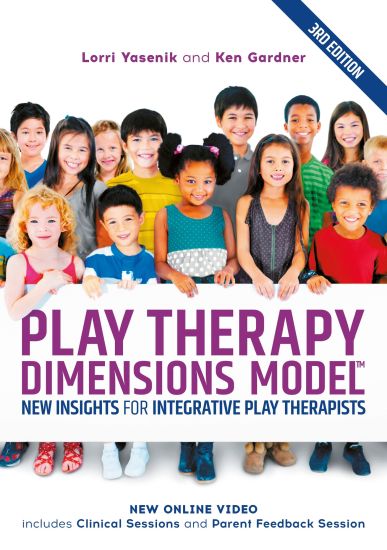
An updated take on a fundamental decision-making framework, this practical guide explores the dimensions of play therapy and how they apply to today's practitioner. In-depth case studies illustrate the interplay between theory and practice, demonstrating an integrative case conceptualization approach. Scales have been updated to reflect current best practice and developments in the field, and combine with the core decision-making framework for a deeper, expanded use of the model. New chapters delve into parent work and case conceptualization utilizing observational and self-reflective forms. Downloadable video content brings the text to life, including a new video illustrating the essentials of consultation with parents. The interface between practitioner and client also takes centre stage. New sections on self-reflection and cultural sensitivity guide you through ways to foster a welcoming, compassionate environment throughout your practice. Whether you're a seasoned play therapist or just starting out, this fresh take on the dimensions of play therapy will foster self-reflection of the who, what, when, why, and how of play therapy.
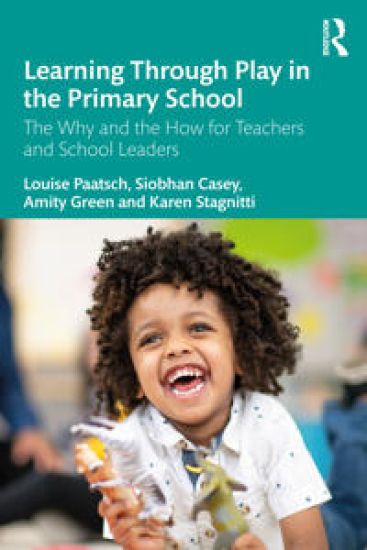
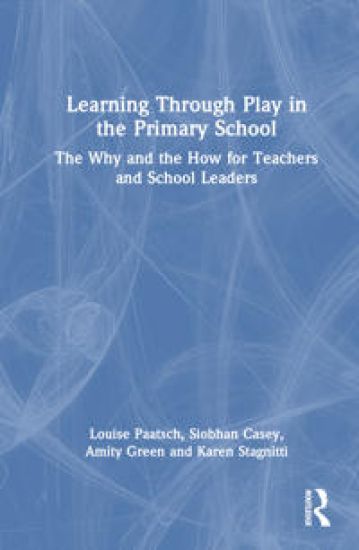
Drawing on research to inform practice, this book is written for teachers and school leaders looking for guidance on how to successfully implement a play-based curriculum in the early years of primary school. Learning Through Play in the Primary School unpacks the "why" and the "how" of embedding play-based pedagogies in the first three years of school. The book is divided into two sections, the first drawing on the latest research to outline the importance of play in a child’s development and emotional engagement in learning. The second section provides practical support and examples for how to embed play in a school curriculum to enhance young children’s learning. The practical section covers setting up an environment for guided play, demonstrating how to assess learning from play-based activities and how to report on outcomes, supported by checklists, vignettes, and case studies. Written to facilitate the implementation of play-based learning in the primary school years, this book will be an essential guide for pre- and in-service teachers and school leaders.
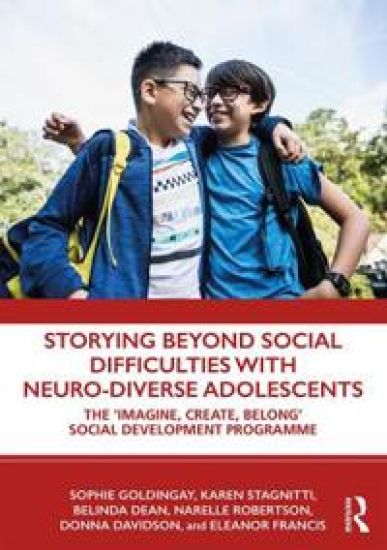
Traditional approaches to social skill development may often be ineffective for those in most need of them – those who are neuro-diverse (for example, on the Autism Spectrum, with dyspraxia, or with Attention Deficit Hyperactivity Disorder), those who have experienced trauma, those with an intellectual disability, and those who present with Complex Communication Needs. This may be due to difficulties with language, attention, and memory. Storying Beyond Social Difficulties with Neuro-Diverse Adolescents is a manual that outlines an eight-session programme, called "Imagine, Create, Belong", that involves a range of activities designed to develop theory of mind, flexible thinking, empathy, and narrative ability. The sessions can be run across 8 or 16 weeks and contain sections suitable for those in mainstream schools, with adaptations to support adolescents with additional needs (including moderate intellectual disability and Complex Communication Needs). The manual does this via a range of age-appropriate play-based activities within a group setting focused on making a movie. It includes non-verbal and verbal approaches to social development and is an implicit approach to social skills. The programme is suitable for young people aged 11 years to 15 years with social difficulties. It includes content that may suit adolescents from both individualist and collectivist cultures. The manual provides step-by-step guidance for practitioners to run the "Imagine, Create, Belong" social skills programme with participants with a range of intellectual abilities who have been identified by parents, teachers, or other professionals as having social difficulties.