
Kirjojen hintavertailu – 12 903 731 kirjaa ja 27 kauppaa

Kirjailija

Karen Worcman

Kirjat ja teokset yhdessä paikassa: 2 kirjaa, julkaisuja vuosilta 2016–2018, suosituimpiin kuuluu Social Memory Technology. Vertaile teosten hintoja ja tarkista saatavuus suomalaisista kirjakaupoista.

2 kirjaa

Kirjojen julkaisuvuodet: 2016–2018.

Social Memory Technology

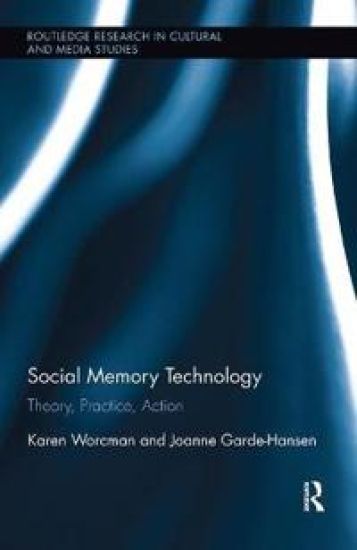
Social Memory Technology

Karen Worcman; Joanne Garde-Hansen

Routledge
2018
nidottu
Memory is a fundamental aspect of being and becoming, intimately entwined with space, time, place, landscape, emotion, imagination and identity. Memory studies is a burgeoning field of enquiry drawing from a range of social science, arts and humanities disciplines including human geography, sociology, cultural studies, media studies, heritage and museum studies, psychology and history. This book is a critically theorised practical exposition of how media and technology are used to make memories for museums, archives, social movements and community projects, looking at specific cases in the UK and Brazil where the authors have put these theories into practice. The authors define the protocol they present as social memory technology. Critically, this book is about learning to deal with our pasts and learning new methods of connecting our pasts across cultures toward a shared understanding and application of memory technologies.

Social Memory Technology

Social Memory Technology

Karen Worcman; Joanne Garde-Hansen

Routledge
2016
sidottu
Memory is a fundamental aspect of being and becoming, intimately entwined with space, time, place, landscape, emotion, imagination and identity. Memory studies is a burgeoning field of enquiry drawing from a range of social science, arts and humanities disciplines including human geography, sociology, cultural studies, media studies, heritage and museum studies, psychology and history. This book is a critically theorised practical exposition of how media and technology are used to make memories for museums, archives, social movements and community projects, looking at specific cases in the UK and Brazil where the authors have put these theories into practice. The authors define the protocol they present as social memory technology. Critically, this book is about learning to deal with our pasts and learning new methods of connecting our pasts across cultures toward a shared understanding and application of memory technologies.