
Kirjojen hintavertailu – 12 903 725 kirjaa ja 27 kauppaa

Kirjailija

Karim Schelkens

Kirjat ja teokset yhdessä paikassa: 3 kirjaa, julkaisuja vuosilta 2010–2026, suosituimpiin kuuluu Catholic Theology of Revelation on the Eve of Vatican II. Vertaile teosten hintoja ja tarkista saatavuus suomalaisista kirjakaupoista.

3 kirjaa

Kirjojen julkaisuvuodet: 2010–2026.

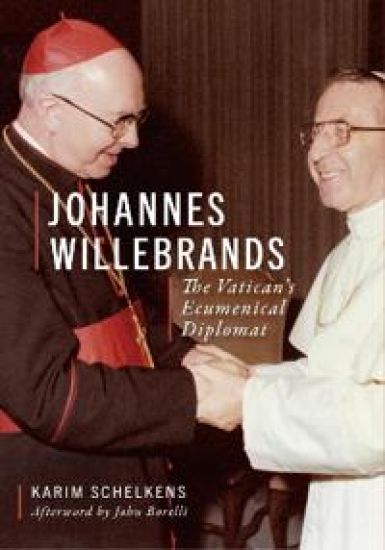
Johannes Willebrands

Johannes Willebrands

Karim Schelkens; John Borelli

GEORGETOWN UNIVERSITY PRESS
2026
pokkari
The story of a pioneering cardinal who was a key architect of the Roman Catholic Church's ecumenical and interreligious commitment Catholicism during the twentieth century was characterized by changing Church attitudes toward other religions. At the center of these changes was Johannes Willebrands, the pioneering Dutch cardinal. Johannes Willebrands uncovers the life of this man who led the world's largest religion to embrace dialogue and religious liberty. Drawing on newly discovered archival sources, Karim Schelkens tells the story of how Willebrands, who lived through two world wars, was moved to launch under-the-radar initiatives that helped move European Catholics beyond an attitude of condemning Protestants, Eastern Orthodox, Jews, and Muslims in the postwar years. His diplomatic role became central once these initiatives were adopted during the Second Vatican Council, leading to a surge in interreligious dialogue and worldwide changes in the relationship of the Catholic world with those outside it. Through these initiatives, Willebrands also influenced the relationship between communities on either side of the Iron Curtain. Previously published in Dutch, this English translation of Johannes Willebrands sheds new light on what drove the pivotal changes to the Catholic Church in the Cold War era. Readers interested in political-diplomatic history, interreligious dialogue, ecumenism, Church history, the Vatican, and Catholicism will gain a new perspective on the diplomatic efforts behind this shift.
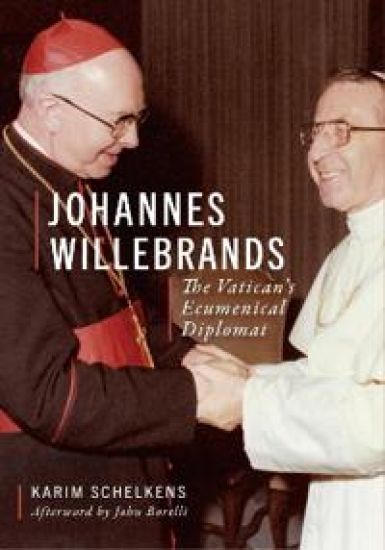
Johannes Willebrands

Johannes Willebrands

Karim Schelkens; John Borelli

GEORGETOWN UNIVERSITY PRESS
2026
sidottu
The story of a pioneering cardinal who was a key architect of the Roman Catholic Church's ecumenical and interreligious commitment Catholicism during the twentieth century was characterized by changing Church attitudes toward other religions. At the center of these changes was Johannes Willebrands, the pioneering Dutch cardinal. Johannes Willebrands uncovers the life of this man who led the world's largest religion to embrace dialogue and religious liberty. Drawing on newly discovered archival sources, Karim Schelkens tells the story of how Willebrands, who lived through two world wars, was moved to launch under-the-radar initiatives that helped move European Catholics beyond an attitude of condemning Protestants, Eastern Orthodox, Jews, and Muslims in the postwar years. His diplomatic role became central once these initiatives were adopted during the Second Vatican Council, leading to a surge in interreligious dialogue and worldwide changes in the relationship of the Catholic world with those outside it. Through these initiatives, Willebrands also influenced the relationship between communities on either side of the Iron Curtain. Previously published in Dutch, this English translation of Johannes Willebrands sheds new light on what drove the pivotal changes to the Catholic Church in the Cold War era. Readers interested in political-diplomatic history, interreligious dialogue, ecumenism, Church history, the Vatican, and Catholicism will gain a new perspective on the diplomatic efforts behind this shift.
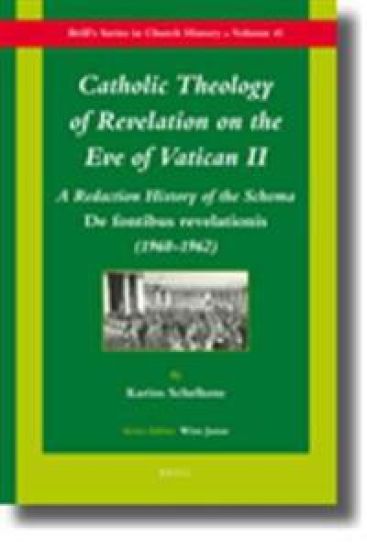
Catholic Theology of Revelation on the Eve of Vatican II
In recent literature on the history of the Second Vatican Council, the schema De fontibus revelationis is a constant point of reference. In most cases, its utter rejection during the conciliar debate on revelation, biblical exegesis, and the nature of Scripture and Tradition, is regarded as a milestone for the council's development. This book is devoted to the background, genesis, and evolution of that very document, and offers a critical revision of the way in which the document has been received in conciliar historiography, based upon a study of archival material. The result is a new approach, not only of the conciliar revelation debate, but also of the way in which the conciliar preparation period has been regarded up until the present day.