Kirjojen hintavertailu – 12 859 819 kirjaa ja 27 kauppaa

Kirjailija

Karin Leonhard

Kirjat ja teokset yhdessä paikassa: 4 kirjaa, julkaisuja vuosilta 2013–2024, suosituimpiin kuuluu On Everyone’s Lips. Vertaile teosten hintoja ja tarkista saatavuus suomalaisista kirjakaupoista.

4 kirjaa

Kirjojen julkaisuvuodet: 2013–2024.

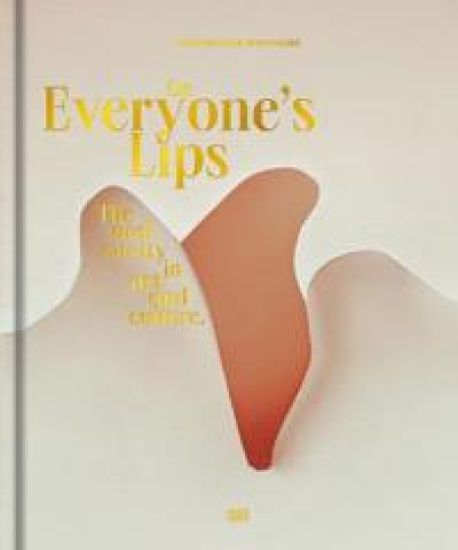
On Everyone’s Lips

On Everyone’s Lips

Andreas Beitin; Hartmut Böhme; Horst Bredekamp; Kolja Thurner; Roland Garve; Birte Hinrichsen; Olaf Knellessen; Harald Lemke; Karin Leonhard; Jürgen Müller; Uta Ruhkamp; Marcus Stiglegger; Beate Slominski; Ulrike Vedder

Hatje Cantz
2020
sidottu
Mouth, lips, tongue, and teeth—speech, pain, and screech—eating, swallowing, spouting off, and spitting—lust and passion: the oral cavity is an extremely stimulating zone of the body, in the truest sense of the word. Science and medicine are not the only fields that have investigated it, though. From antiquity to the present day, art and cultural history have done the same. The Kunstmuseum Wolfsburg has pursued the wide-ranging path of this motif’s history in order to present the first comprehensive show about the mouth in the fall of 2020. The companion publication offers thematically dense essays that not only allow the reader to delve into the topic, but also go far beyond the exhibition itself. The mouth, its inventory and abilities, are closely examined through film history, ethnology, literary theory, and architecture.
Pigments

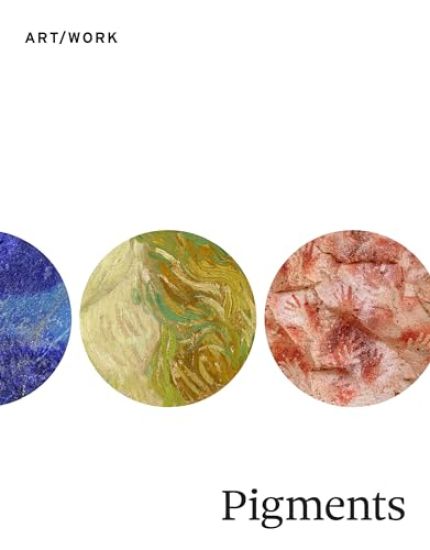
Pigments

Barbara H. Berrie; Caroline Fowler; Karin Leonhard; Ittai Weinryb

PRINCETON UNIVERSITY PRESS
2024
pokkari
A concise illustrated history of one of art’s most important and elusive elementsOver the millennia, humans have used pigments to decorate, narrate, and instruct. Charred bone, ground earth, stones, bugs, and blood were the first pigments. New pigments were manufactured by simple processes such as corrosion and calcination until the Industrial Revolution introduced colors outside the spectrum of the natural world. Pigments brings together leading art historians and conservators to trace the history of the materials used to create color and their invention across diverse cultures and time periods. This richly illustrated book features incisive historical essays and case studies that shed light on the many forms of pigments—the organic and inorganic; the edible and the toxic; and those that are more precious than gold. It shows how pigments were as central to the earliest art forms and global trade networks as they are to commerce, ornamentation, and artistic expression today. The book reveals the innate instability and mutability of most pigments and discusses how few artworks or objects look as they did when they were first created. From cave paintings to contemporary art, Pigments demonstrates how a material understanding of color opens new perspectives on visual culture and the history of art.
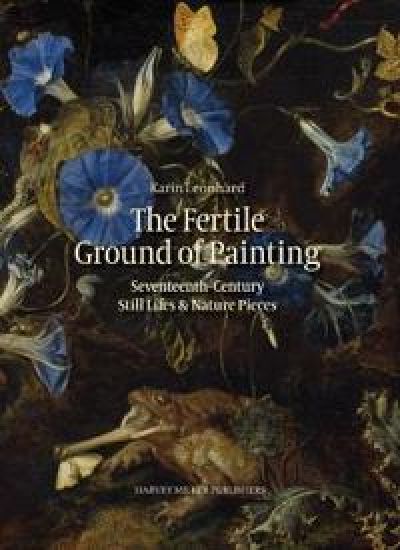
The Fertile Ground of Painting

The Fertile Ground of Painting

Karin Leonhard

Harvey Miller Publishers
2021
sidottu
17th-Century Netherlandish Still Life painting actively participated in the intellectual discourse of natural philosophy and the natural sciences, even though art history until recently described it, somewhat simplifying, as realistic-representative painting. We urgently need a rehabilitation of the notion of Mimesis. The author restarts the discussion, by putting more emphasis on the historical notions of Nature and Image. She examines how mimetic structures acquired a biotic reproductive capacity in the 17th century. Still Life painting thematizes the ability of Nature and Art to produce similarities and is therefore predestined for a theorization of mimetic strcutures of Art in general.
Bildfelder

Bildfelder

Karin Leonhard

De Gruyter Akademie Forschung
2013
sidottu
Die niederländische Stillebenmalerei des 17. Jahrhunderts nahm aktiv an den naturphilosophischen und naturwissenschaftlichen Diskursen der Zeit teil, dennoch wird sie in der Forschung bis heute vereinfachend als „realistisch-abbildende“ Kunst bezeichnet. Hier ist eine Rehabilitierung des Begriffs „Mimesis“ dringend notwendig geworden. Die Autorin unternimmt einen Neustart der Diskussion, der stärker auf die historische Diskussion des Natur- und Bildbegriffs zurückgreift. So fragt sie, inwiefern im 17. Jahrhundert mimetische Strukturen als ein biotisches Vermögen zur Reproduktion verstanden wurden. Dabei ergeben sich zwei Thesen: erstens, dass das Stilleben die beiderseitige Fähigkeit von Natur und Kunst thematisiert, Ähnlichkeiten zu erzeugen, und zweitens, dass es aus diesem Grund prädestiniert ist für eine Theoretisierung mimetischer Strukturen der Kunst im Allgemeinen.