

Kirjailija
Karin Weber
Kirjat ja teokset yhdessä paikassa: 9 kirjaa, julkaisuja vuosilta 2002–2023, suosituimpiin kuuluu Analyse der Auswirkungen des RFID-Einsatzes in den Supply Chain Prozessen. Vertaile teosten hintoja ja tarkista saatavuus suomalaisista kirjakaupoista.
9 kirjaa
Kirjojen julkaisuvuodet: 2002–2023.


Analyse der Auswirkungen des RFID-Einsatzes in den Supply Chain Prozessen
Karin Weber
Igel
2015
pokkari

Consumer Responses To Service Failure Events in Strategic Airline Alliances
Karin Weber
VDM Verlag Dr. Mueller E.K.
2008
pokkari

Kreditportfoliomodelle - "Kreditrisikomanagement und Kreditrisikotransfer-Wertung"
Karin Weber
Grin Verlag
2007
pokkari
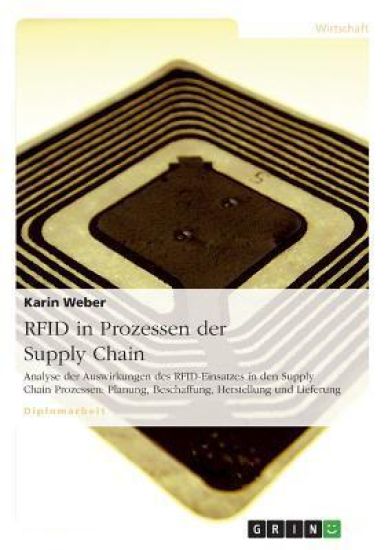
Diplomarbeit aus dem Jahr 2007 im Fachbereich Wirtschaft - Industriebetriebslehre, Note: 1,7, Universität Bayreuth, 126 Eintragungen im Literaturverzeichnis, Sprache: Deutsch, Abstract: Globalisierung, zunehmende Wettbewerbsintensität und steigende Erwartungen der Kunden stellen neue Herausforderungen an die Gestaltung von Wertschöpfungsnetzwerken. Neben Effizienz und Zuverlässigkeit gewinnt Flexibilität als Erfolgsfaktor zunehmend an Relevanz. Um sich nachhaltig von konkurrierenden Supply Chains zu differenzieren und somit Wettbewerbsvorteile zu generieren, muss eine Supply Chain schnell auf veränderte Marktbedingungen reagieren können. Probleme in einem Wertschöpfungsprozess ziehen Konsequenzen für nachgelagerte Prozesse nach sich, weshalb die Steuerung und Überwachung der Supply Chain zum entscheidenden Erfolgsfaktor wird. Grundvoraussetzung hierfür ist ein kontinuierlicher Informations- und Datenaustausch zwischen den Unternehmen des gesamten Wertschöpfungsnetzwerks. Doch obwohl die Prozesse einer Supply Chain in wachsendem Maße durch Informationstechnologien unterstützt werden, fehlen häufig entscheidungsrelevante Informationen. Der Grund dafür ist die bestehende Lücke zwischen der physischen Realität und deren informationstechnischen Abbild. Eine bessere Integration von realer und virtueller Welt verspricht die RFID-Technologie. Dadurch soll eine gezielte Überwachung und Steuerung der Aktivitäten entlang der Supply Chain sowie die Automatisierung von Prozessen möglich sein. RFID steht für den englischsprachigen Begriff Radio Frequency IDentification. Sinngemäß übersetzt bedeutet dies "Identifizierung per Funk". Die Auszeichnung von Objekten mit RFID-Transpondern öffnet erstmals die Perspektive, Warenströme entlang der Wertschöpfungskette lückenlos zu dokumentieren und zu verfolgen. In diesem Zusammenhang wird der RFID-Technologie großes Potenzial hinsichtlich der Reorganisation von Supply Chain Prozessen zugesprochen. Ziel der vorliegenden Arbeit ist es, die Auswirkungen des RFID-Einsatzes in den einzelnen Prozessen entlang der Supply Chain zu analysieren. Es wird untersucht, inwiefern RFID die Aktivitäten in einem Wertschöpfungsnetzwerk unterstützen und automatisieren kann und welche betriebswirtschaftlichen Auswirkungen der RFID-Einsatz bewirkt.
Das Kernkraftwerk Zwentendorf. Einer der größten Konfliktfelder in der österreichischen Nachkriegszeit
Regina Bianchi; Karin Weber
Grin Verlag Gmbh
2007
pokkari

Convention Tourism
Kaye Sung Chon; Karin Weber
Routledge Member of the Taylor and Francis Group
2002
sidottu
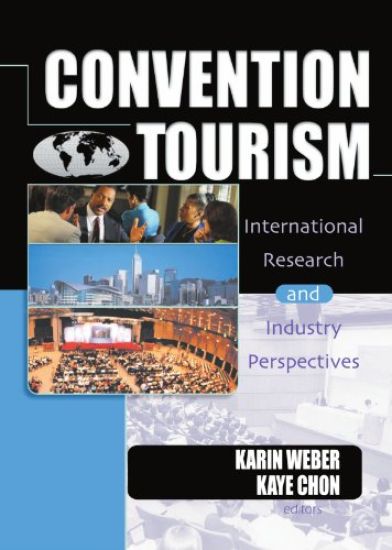
Stay up to date on international trends in convention tourism! Convention Tourism: International Research and Industry Perspectives is a thorough analysis of the industry’s key markets, combining insightful articles with detailed case studies. Equally valuable as a professional handbook, research reference guide, and textbook, this comprehensive book includes an account of the history of convention tourism and its economic contributions, marketing and human resources analyses, global and regional developments, and research issues and challenges. Convention Tourism addresses issues critical to the three key regions of the convention and meeting industry--North America, Europe, and Asia-Pacific. The book features a wide range of material from the top educators around the world, reflecting an international perspective befitting the industry’s growing trend toward globalization. Convention Tourism also presents in-depth studies that focus on the United States, the Mediterranean, Australia, and Korea, and takes a look ahead at likely business, technological, and social trends that are likely to affect the convention industry in the coming years. Convention Tourism also examines: proposed economic impact assessment framework regional planning and development initiatives education and training programs from industry associations and universities research resources international meeting managementAs more and more international sites compete with traditional markets for lucrative convention contracts, it is crucial that professionals, researchers, and academics have a global understanding of the industry’s past, present, and future. Convention Tourism is an essential overview of the most important element of the business tourism industry.
Convention Tourism
Kaye Sung Chon; Karin Weber
Routledge Member of the Taylor and Francis Group
2002
nidottu
Stay up to date on international trends in convention tourism! Convention Tourism: International Research and Industry Perspectives is a thorough analysis of the industry’s key markets, combining insightful articles with detailed case studies. Equally valuable as a professional handbook, research reference guide, and textbook, this comprehensive book includes an account of the history of convention tourism and its economic contributions, marketing and human resources analyses, global and regional developments, and research issues and challenges. Convention Tourism addresses issues critical to the three key regions of the convention and meeting industry--North America, Europe, and Asia-Pacific. The book features a wide range of material from the top educators around the world, reflecting an international perspective befitting the industry’s growing trend toward globalization. Convention Tourism also presents in-depth studies that focus on the United States, the Mediterranean, Australia, and Korea, and takes a look ahead at likely business, technological, and social trends that are likely to affect the convention industry in the coming years. Convention Tourism also examines: proposed economic impact assessment framework regional planning and development initiatives education and training programs from industry associations and universities research resources international meeting managementAs more and more international sites compete with traditional markets for lucrative convention contracts, it is crucial that professionals, researchers, and academics have a global understanding of the industry’s past, present, and future. Convention Tourism is an essential overview of the most important element of the business tourism industry.