Kirjojen hintavertailu – 12 859 827 kirjaa ja 27 kauppaa

Kirjailija

Karl Axelsson

Kirjat ja teokset yhdessä paikassa: 4 kirjaa, julkaisuja vuosilta 2007–2021, suosituimpiin kuuluu The Sublime. Vertaile teosten hintoja ja tarkista saatavuus suomalaisista kirjakaupoista.

4 kirjaa

Kirjojen julkaisuvuodet: 2007–2021.

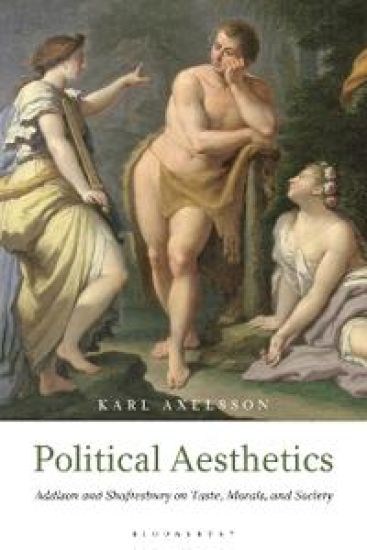
Political Aesthetics

Political Aesthetics

Karl Axelsson

Bloomsbury Academic
2021
nidottu
Providing a gateway to a new history of modern aesthetics, this book challenges conventional views of how art’s significance developed in society. The 18th century is often said to have involved a radical transformation in the concept of art: from the understanding that it has a practical purpose to the modern belief that it is intrinsically valuable. By exploring the ground between these notions of art’s function, Karl Axelsson reveals how scholars of culture made taste, morals and a politically stable society integral to their claims about the experience of nature and art. Focusing on writings by two of the most prolific men of letters in the 18th century, Joseph Addison (1672–1719) and the third Earl of Shaftesbury (1671–1713), Axelsson contests the conviction that modern aesthetic autonomy reoriented the criticism and philosophy originally prompted by these two key figures in the history of aesthetics. By re-examining the political relevance of Addison and Shaftesbury’s theories of taste, Axelsson shows that first and foremost they sought to fortify a natural link between aesthetic experience and modern political society.
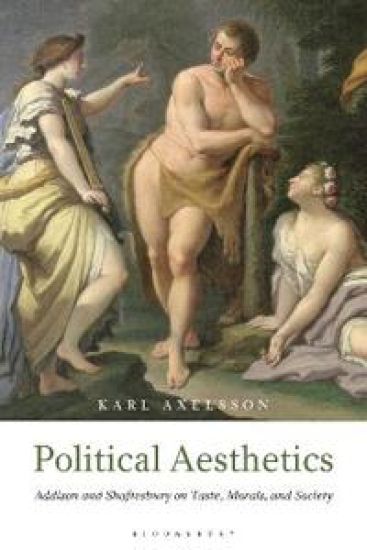
Political Aesthetics

Political Aesthetics

Karl Axelsson

Bloomsbury Academic
2019
sidottu
Providing a gateway to a new history of modern aesthetics, this book challenges conventional views of how art’s significance developed in society. The 18th century is often said to have involved a radical transformation in the concept of art: from the understanding that it has a practical purpose to the modern belief that it is intrinsically valuable. By exploring the ground between these notions of art’s function, Karl Axelsson reveals how scholars of culture made taste, morals and a politically stable society integral to their claims about the experience of nature and art. Focusing on writings by two of the most prolific men of letters in the 18th century, Joseph Addison (1672–1719) and the third Earl of Shaftesbury (1671–1713), Axelsson contests the conviction that modern aesthetic autonomy reoriented the criticism and philosophy originally prompted by these two key figures in the history of aesthetics. By re-examining the political relevance of Addison and Shaftesbury’s theories of taste, Axelsson shows that first and foremost they sought to fortify a natural link between aesthetic experience and modern political society.
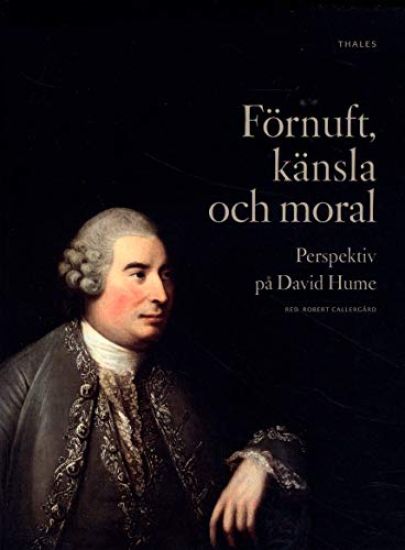
Förnuft, känsla och moral : perspektiv på David Hume

Förnuft, känsla och moral : perspektiv på David Hume

Karl Axelsson; Henrik Bohlin; Robert Callergård; Staffan Carlshamre; Åsa Carlsson; Kent Gustavsson; Lena Halldenius; Jonas Olson; Marcel Quarfood; Håkan Salwén

Bokförlaget Thales
2011
nidottu
300 år efter sin födelse 1711 är David Hume fortfarande en levande filosof, vars tankar är högaktuella inom många av filosofins områden, från kunskapsteori till moralfilosofi. Förnuft, känsla och moral innehåller nyskrivna essäer av svenska filosofer, som presenterar och diskuterar Humes filosofi ur ett nutida perspektiv. Volymen innehåller även två korta texter av Hume själv.
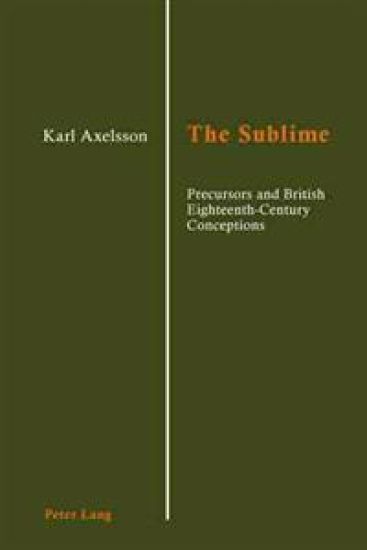
The Sublime

The Sublime

Karl Axelsson

Verlag Peter Lang
2007
nidottu
The appeal of the sublime in the minds of British critics and poets during the eighteenth century holds a unique position in the history of aesthetics. At no other time has aesthetics displayed a similar interest in the experience of the sublime. This book explores the impulses behind the fascination for that experience. The Greek treatise "Peri Hupsous" by Longinus constitutes the earliest source for the experience of the sublime, and as such it shaped much of British eighteenth-century criticism. But the attraction of the sublime received stimulus from other sources as well. In the effort to expand the context of the sublime, the author considers the incentives provided not only by Longinus, but also by the criticism of intellectual literature during the second half of the seventeenth century; a body of criticism that was not primarily concerned with the sublime, but which nevertheless served as an important link to its subsequent appeal.