Kirjojen hintavertailu – 12 903 725 kirjaa ja 27 kauppaa

Kirjailija

Karl Kaltenthaler

Kirjat ja teokset yhdessä paikassa: 5 kirjaa, julkaisuja vuosilta 1998–2023, suosituimpiin kuuluu Germany and the Politics of Europe's Money. Vertaile teosten hintoja ja tarkista saatavuus suomalaisista kirjakaupoista.

5 kirjaa

Kirjojen julkaisuvuodet: 1998–2023.

ISIS in Iraq

ISIS in Iraq

Munqith Dagher; Karl Kaltenthaler; Michele J. Gelfand; Arie Kruglanksi; Ian McCulloh

OXFORD UNIVERSITY PRESS INC
2023
sidottu
The Islamic State in Iraq and Syria (ISIS) gained control over large swathes of Iraq in the summer of 2014 at a breathtaking rate. At the time many rightly wondered how ISIS was able to claim so much territory in the Sunni-dominated portion of Iraq so quickly. Just as unexpected, however, was the downfall of ISIS; by 2017, their hold on the region had crumbed with ISIS focusing on avoiding complete annihilation. This book explores the social and psychological factors behind how ISIS was able to rise in Iraq, control most of it, and why most of that population eventually turned on it. Synthesized by some of the foremost experts on terrorism, the analysis is based on a unique array of public opinion data from surveys, focus groups, and interviews. The authors explain why some Iraqis acquiesced to ISIS while others opposed it, why ISIS lost the hearts and minds of Iraqi Sunni Arabs, and ultimately how this contributed to its battlefield defeats. The in-depth face-to-face interviews with ISIS members are a particularly rich source of data, supplementing empirical findings to draw lessons as to what individual and societal-level factors contribute to radicalization and what can be done to counter radicalization and support deradicalization.
Policymaking in the European Central Bank

Policymaking in the European Central Bank

Karl Kaltenthaler

Rowman Littlefield Publishers
2006
nidottu
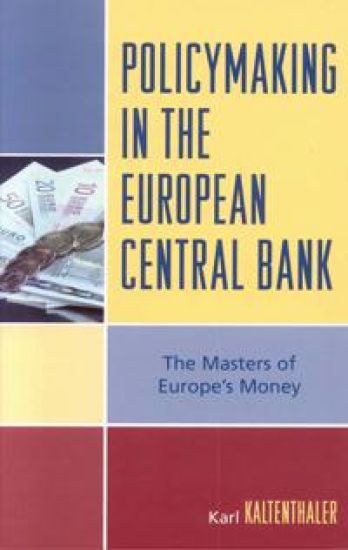
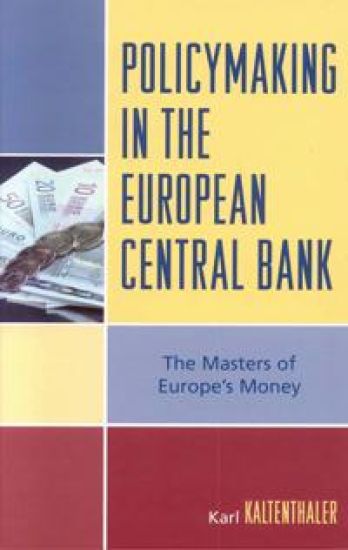
Drawing on numerous interviews with high-ranking and founding members of the European Central Bank (ECB), Karl Kaltenthaler identifies and explains the factors that shape the bank's domestic and international monetary strategies. As at all institutions, politics are very much involved in policy-making at the ECB. Kaltenthaler finds that instead of being unconcerned with how the bank's policies impact the citizens of the Eurozone, the central bankers desire to keep the economy healthy. This desire is driven by the central bankers' two primary personal preferences: to appear competent to as much of society as possible and to maintain broad political support for their operational independence. The policy-making model that offers the best roadmap to a healthy economy is that of the German Bundesbank. To secure the long-term needs of the economy, the decisionmakers in the ECB have created a model that attempts to replicate the Bundesbank's success at the European level and to lend credibility to their own policies. Offering unprecedented access to the internal decisionmaking at the ECB, Policymaking in the European Central Bank will interest readers who want to understand this important European institution.
Policymaking in the European Central Bank

Policymaking in the European Central Bank

Karl Kaltenthaler

Rowman Littlefield Publishers
2006
sidottu
Drawing on numerous interviews with high-ranking and founding members of the European Central Bank (ECB), Karl Kaltenthaler identifies and explains the factors that shape the bank's domestic and international monetary strategies. As at all institutions, politics are very much involved in policy-making at the ECB. Kaltenthaler finds that instead of being unconcerned with how the bank's policies impact the citizens of the Eurozone, the central bankers desire to keep the economy healthy. This desire is driven by the central bankers' two primary personal preferences: to appear competent to as much of society as possible and to maintain broad political support for their operational independence. The policy-making model that offers the best roadmap to a healthy economy is that of the German Bundesbank. To secure the long-term needs of the economy, the decisionmakers in the ECB have created a model that attempts to replicate the Bundesbank's success at the European level and to lend credibility to their own policies. Offering unprecedented access to the internal decisionmaking at the ECB, Policymaking in the European Central Bank will interest readers who want to understand this important European institution.
Germany and the Politics of Europe's Money

Germany and the Politics of Europe's Money

Karl Kaltenthaler

Duke University Press
1998
pokkari
As countries in the European Union struggle to comply with the Maastricht Treaty, the question of monetary integration is at the forefront of European politics. Germany and the Politics of Europe’s Money explores how and why Germany-whose economic power makes it a pivotal player in the European monetary system-has developed inconsistent policies toward European monetary institutions and how international institutions affect domestic politics that, in turn, influence state policies toward these institutions. Moving away from state-centered and Marxist approaches to the study of the European monetary integration process, Karl Kaltenthaler offers a new analytical framework to assess the dynamics within and among the participating countries. Using official and unofficial documents as well as interviews with players ranging from presidents of the Bundesbank to functionaries in the trade unions, Kaltenthaler argues that the number of decision makers negotiating policy and their accountability to interest groups, political parties, government ministries, and Germany’s central bank have made Germany’s fluctuations in policy inevitable. Germany and the Politics of Europe’s Money examines twenty years of German policy through an analysis of four key episodes: the creation of the European Monetary System, the creation of the Franco-German Economic and Financial Council, the establishment of policy toward the European Monetary Union, and the institutional transformation of the EMS in the 1990s. It thus brings a new understanding to Germany’s dynamic policies and the political forces behind them.
Germany and the Politics of Europe's Money

Germany and the Politics of Europe's Money

Karl Kaltenthaler

Duke University Press
1998
sidottu
As countries in the European Union struggle to comply with the Maastricht Treaty, the question of monetary integration is at the forefront of European politics. Germany and the Politics of Europe’s Money explores how and why Germany-whose economic power makes it a pivotal player in the European monetary system-has developed inconsistent policies toward European monetary institutions and how international institutions affect domestic politics that, in turn, influence state policies toward these institutions. Moving away from state-centered and Marxist approaches to the study of the European monetary integration process, Karl Kaltenthaler offers a new analytical framework to assess the dynamics within and among the participating countries. Using official and unofficial documents as well as interviews with players ranging from presidents of the Bundesbank to functionaries in the trade unions, Kaltenthaler argues that the number of decision makers negotiating policy and their accountability to interest groups, political parties, government ministries, and Germany’s central bank have made Germany’s fluctuations in policy inevitable. Germany and the Politics of Europe’s Money examines twenty years of German policy through an analysis of four key episodes: the creation of the European Monetary System, the creation of the Franco-German Economic and Financial Council, the establishment of policy toward the European Monetary Union, and the institutional transformation of the EMS in the 1990s. It thus brings a new understanding to Germany’s dynamic policies and the political forces behind them.