Kirjailija
Karl Kraus
Kirjat ja teokset yhdessä paikassa: 116 kirjaa, julkaisuja vuosilta 1987–2025, suosituimpiin kuuluu Kraus, K: Deutsche Militarstrafverfahren. Vertaile teosten hintoja ja tarkista saatavuus suomalaisista kirjakaupoista.
116 kirjaa
Kirjojen julkaisuvuodet: 1987–2025.



Elogio della vita a rovescio comprende una raccolta di articoli pubblicati sulla rivista Die Fackel, fondata nel 1899 da Karl Kraus, che la diresse fino alla sua morte. In essi emerge un'aspra critica nei confronti della stampa, del malcostume politico, della stupidit che affligge buona parte dell'umanit , della crisi della democrazia e del caos in cui miseramente precipitata la vita dello spirito. Irriverente e sarcastico, Kraus, in particolare nell'articolo che d il titolo alla raccolta, descrive il lato pi misero e grottesco della societ viennese dell'epoca, vista attraverso le lenti deformanti del capovolgimento ironico: "La stupidit si assopisce e io mi reco al lavoro. In lontananza avverto il rumore di una pressa tipografica: il russare dell'idiozia. Io la colgo di sorpresa e le mie intenzioni poco benevole mi procurano un sottile piacere. Poi, quando a est, sull'orizzonte della cultura, compare il primo giornale del mattino, io vado a dormire. Ecco i vantaggi derivanti dal condurre una vita a rovescio".




Das deutsche Militärstrafverfahren. Seine Stellung im Staatswesen und im Rechtsgebiet
Karl Kraus
Createspace Independent Publishing Platform
2016
nidottu
Das deutsche Milit rstrafverfahren. Seine Stellung im Staatswesen und im Rechtsgebiet by Karl Kraus. This book is a reproduction of the original book published in 1896 and may have some imperfections such as marks or hand-written notes.


"Ausgew hlte Gedichte" from Karl Kraus. sterreichischer Publizist (1874-1936).

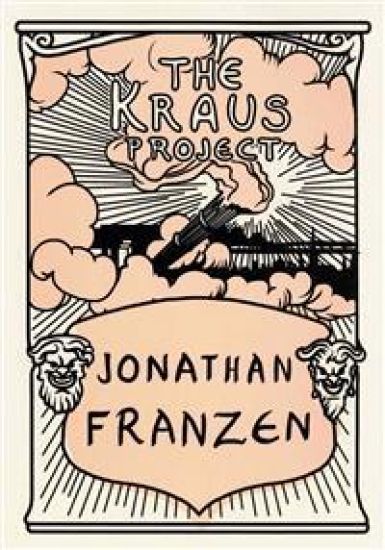
The Kraus Project: Essays by Karl Kraus
Jonathan Franzen; Karl Kraus
Farrar, Straus and Giroux
2013
sidottu
A great American writer's confrontation with a great European critic-a personal and intellectual awakening A hundred years ago, the Viennese satirist Karl Kraus was among the most penetrating and farsighted writers in Europe. In his self-published magazine, Die Fackel, Kraus brilliantly attacked the popular media's manipulation of reality, the dehumanizing machinery of technology and consumer capitalism, and the jingoistic rhetoric of a fading empire. But even though he had a fervent following, which included Franz Kafka and Walter Benjamin, he remained something of a lonely prophet, and few people today are familiar with his work. Luckily, Jonathan Franzen is one of them. In The Kraus Project, Franzen, whose "calm, passionate critical authority" has been praised in The New York Times Book Review, not only presents his definitive new translations of Kraus but annotates them spectacularly, with supplementary notes from the Kraus scholar Paul Reitter and the Austrian author Daniel Kehlmann. Kraus was a notoriously cantankerous and difficult writer, and in Franzen he has found his match: a novelist unafraid to voice unpopular opinions strongly, a critic capable of untangling Kraus's often dense arguments to reveal their relevance to contemporary America. While Kraus is lampooning the iconic German poet and essayist Heinrich Heine and celebrating his own literary hero, the Austrian playwright Johann Nestroy, Franzen is annotating Kraus the way Kraus annotated others, surveying today's cultural and technological landscape with fearsome clarity, and giving us a deeply personal recollection of his first year out of college, when he fell in love with Kraus's work. Painstakingly wrought, strikingly original in form, The Kraus Project is a feast of thought, passion, and literature.