Kirjojen hintavertailu – 12 859 827 kirjaa ja 27 kauppaa
Kirjailija
Karl Levitin
Kirjat ja teokset yhdessä paikassa: 3 kirjaa, julkaisuja vuosilta 2005–2016, suosituimpiin kuuluu The Autobiography of Alexander Luria. Vertaile teosten hintoja ja tarkista saatavuus suomalaisista kirjakaupoista.
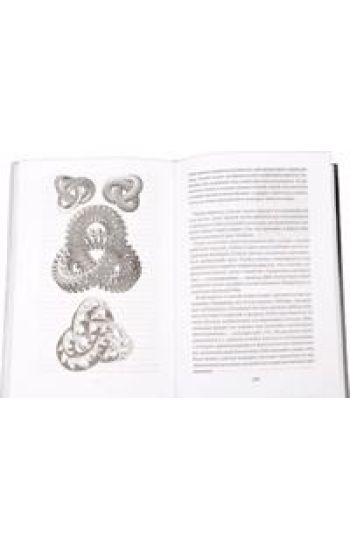
Pered chitateljami prokhodit istorija vozniknovenija i razvitija osnovnykh idej geometrii, kotorye i segodnja privodjat k novym vzgljadam i otkrytijam v kristallografii, khimii, geologii, genetike, mikrobiologii, arkhitekture, stroitelstve, tekhnike. Ploskoe i obemnoe, svojstva kristallov i pravilnykh tel, simmetrija, zamknutost i beskonechnost Vselennoj - eti temy-melodii slivajutsja v knige v nekij gimn vo slavu Geometrii.
Alexander Luria was one of the most influential psychologists of the 20th century. His official autobiography was written as a citizen of the Soviet Union, and while it provides a compelling story of his lifelong devotion to developing a comprehensive theory of the biological and cultural foundations of human nature, it is conspicuous for the absence of information about the social context of his work and his personal struggles to be a decent person in indecent times. The current "dialogic autobiography" brings the vitality of Luria's ideas back to life. Michael Cole and Karl Levitin, both of whom knew Luria well and have written about his life and work, have written a carefully researched introduction and epilogue to the original autobiography. They provide readers, for the first time, with information about the social and personal contexts of Luria's remarkable achievements. Their account is supplemented by downloadable resources with reminiscences of leading psychologists from around the world who knew and worked with Luria. At last, Luria's life and science are brought together in a single volume. The book will appeal to psychologists, neuropsychologists, and other scientists interested in Luria's life achievements.
Alexander Luria was one of the most influential psychologists of the 20th century. His official autobiography was written as a citizen of the Soviet Union, and while it provides a compelling story of his lifelong devotion to developing a comprehensive theory of the biological and cultural foundations of human nature, it is conspicuous for the absence of information about the social context of his work and his personal struggles to be a decent person in indecent times. The current "dialogic autobiography" brings the vitality of Luria's ideas back to life. Michael Cole and Karl Levitin, both of whom knew Luria well and have written about his life and work, have written a carefully researched introduction and epilogue to the original autobiography. They provide readers, for the first time, with information about the social and personal contexts of Luria's remarkable achievements. Their account is supplemented by downloadable resources with reminiscences of leading psychologists from around the world who knew and worked with Luria. At last, Luria's life and science are brought together in a single volume. The book will appeal to psychologists, neuropsychologists, and other scientists interested in Luria's life achievements.