Kirjojen hintavertailu – 12 903 725 kirjaa ja 27 kauppaa
Kirjailija
Karsten Schubert
Kirjat ja teokset yhdessä paikassa: 6 kirjaa, julkaisuja vuosilta 2000–2024, suosituimpiin kuuluu Reconditioning and Maintenance of Concrete Structures. Vertaile teosten hintoja ja tarkista saatavuus suomalaisista kirjakaupoista.
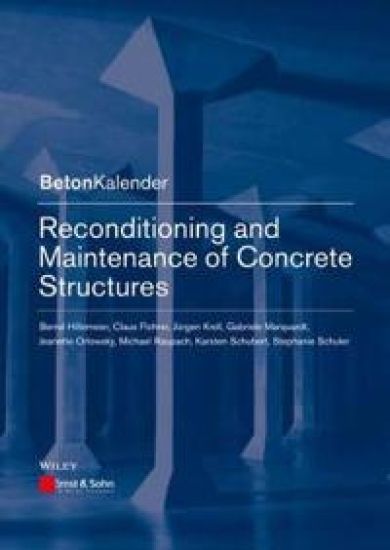
The rehabilitation and maintenance of concrete structures takes place in the tense atmosphere of the different interests of client, building authorities, construction companies and material manufacturer. All involved parties should be interested in a general logical guaranteed concept of repair and maintenance measures necessary for a specified lifetime. This book gives a comprehensive overview about technology, corrosion mechanisms and measures for the rehabilitation of concrete. The fundamentals of inventory and damage diagnosis and the influence of the applied concrete basis materials as well as the various attack mechanisms are explained in detail. Numerous indications for the tailor-made choice and planning of maintenance measures are given. The work is constant practically oriented and reflects the rich treasure of experience of the authors. Some "rules for good concrete" help to avoid damages such as the design of robust constructions, the choice and composition of basis materials, the detailed work schedule and concrete curing and specialized experienced staff. Selected chapters from the German concrete yearbook are now being published in the new English "Beton-Kalender Series" for the benefit of an international audience. Since it was founded in 1906, the Ernst & Sohn "Beton-Kalender" has been supporting developments in reinforced and prestressed concrete. The aim was to publish a yearbook to reflect progress in "ferro-concrete" structures until - as the book's first editor, Fritz von Emperger (1862-1942), expressed it - the "tempestuous development" in this form of construction came to an end. However, the "Beton-Kalender" quickly became the chosen work of reference for civil and structural engineers, and apart from the years 1945-1950 has been published annually ever since.
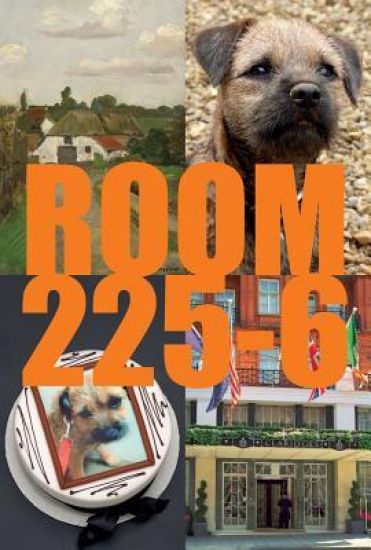
Recounting an art dealer’s recuperation from major surgery in the famous Claridge’s Hotel in London, this idiosyncratic (and semi-autobiographical) novel interweaves reality with fantasy. Room 225–6 follows the author-character ‘The Protagonist’ – accompanied by his beloved terrier ‘The Bitch’ – around London’s Mayfair as he hosts endless art world gatherings and tea parties for twenty, and visits a multitude of local galleries and shops. Incorporating multi-layered voices and devices, the distinctive narrative introduces the reader to a memorable host of characters – from the ‘The Political Prisoner’ to ‘The Little Mondrian’ – in a tale filled with humour of observation and incident. Bringing to life this frightening yet extraordinary period in one man’s life, it is at once honest, satirical, idiotic and bold. Room 225-6 is sold to benefit the Oracle Cancer Trust (oraclecancertrust.org), the UK’s leading national charity dedicated to funding head and neck cancer research.
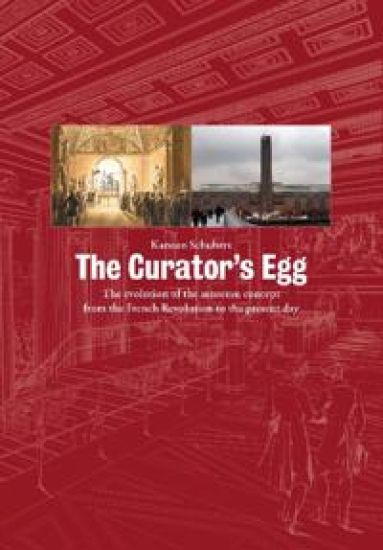
From the opening of The Louvre to the launch of Tate Modern and beyond, this accessible and succinct publication traces the development of the museum concept – encompassing curatorial, scholarly, political and cultural spheres – and its evolving role within society. In the first section, Schubert looks at the complex history of the museum in specific cities at critical moments, for instance New York between 1930 and 1950 as the Metropolitan Museum of Art expanded and the Museum of Modern Art was founded. The second section focuses on the success and unprecedented development of the museum in the 1980s and 1990s in Europe and the United States, highlighting the need for cities and institutions to revise their programmes in response to a surge of interest in the arts. The final section looks at the museum’s predicament nearly a decade after The Curator’s Egg was originally published in 2000, exploring the museum's evolution in a post-9/11 environment.