Kirjojen hintavertailu – 12 859 828 kirjaa ja 27 kauppaa

Kirjailija

Kate Seltzer

Kirjat ja teokset yhdessä paikassa: 3 kirjaa, julkaisuja vuosilta 2016–2026, suosituimpiin kuuluu Cultivating Critical Advocacy. Vertaile teosten hintoja ja tarkista saatavuus suomalaisista kirjakaupoista.

3 kirjaa

Kirjojen julkaisuvuodet: 2016–2026.

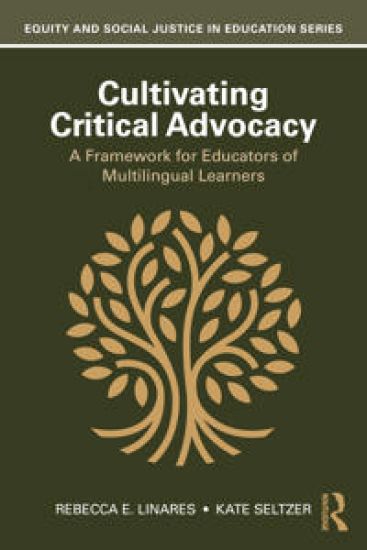
Cultivating Critical Advocacy

Cultivating Critical Advocacy

Rebecca E. Linares; Kate Seltzer

TAYLOR FRANCIS LTD
2026
nidottu
As the number of students designated as Multilingual Learners (MLs) continues to grow, educators must think critically about how best to support them. This hands-on guide introduces critical advocacy and explores how its effectiveness is tied to educators’ critical awareness of themselves, their broader political contexts, and their daily school-based work with MLs. The authors use a tree metaphor to represent the importance of roots (identities, beliefs, and ideologies); the trunk (core critical advocacy beliefs); branches (areas of critical advocacy action); and off-shoots and leaves (local action). Throughout, there are features such as Voices from the Field and Digging In, which invite readers to consider concepts from the text in their own lives, contexts, and practices. At the end of the book, the authors provide a Critical Advocacy Action Planning Tool to help readers plan for critical advocacy in their own context. Whether you already see yourself as an advocate or are new to this work, this book will help you develop a critical advocacy stance and cultivate the practices and dispositions needed to engage in meaningful, sustainable, and effective advocacy with and for MLs in your school, classroom, and community.
The Translanguaging Classroom

The Translanguaging Classroom

Kate Seltzer; Susana Johnson; Ofelia García Otheguy

BROOKES PUBLISHING CO
2025
nidottu
The concept of translanguaging--using a child's full linguistic repertoire, or all of their linguistic resources, to make meaning--is key to bilingual students' success in school and beyond. Created by some of the most prominent leaders in the field of educating bilingual students, this second edition provides the foundational knowledge teachers need to understand translanguaging and use it strategically and meaningfully to support bilingual learners. A revised and updated new edition of a highly influential bestseller, this book is ideal for pre- and in-service educators of Grades 4-12 in English-medium and bilingual classrooms. Educators will discover how asset-based translanguaging pedagogies can level the playing field for bilingual students and help them develop essential skills in all their languages--all while honoring their identity and culture. LEARN HOW TO: Help bilingual students become better readers and writers by accessing different features of their languagesPlan and implement effective translanguaging designs for instructionIntegrate mandated standards into translanguaging instructional designsSupport bilingual students as they engage with and comprehend complex content and textsUse translanguaging design for assessment to holistically evaluate students' content and language learningLeverage translanguaging to support social justice and social-emotional well-beingWHAT'S NEW: This updated edition includes the latest research on translanguaging, engages with the exciting expansion of biliteracy in U. S. schools, discusses translanguaging in relation to literacy and comprehension, and deepens the connection between translanguaging and social justice. PRACTICAL FEATURES: Get learning objectives for each chapter, reflection questions and activities, Taking Action prompts for analyzing classroom practices, examples of authentic student work, and a package of downloadable templates and tools to support instruction and assessment.
The Translanguaging Classroom

The Translanguaging Classroom

Ofelia García; Susana Ibarra Johnson; Kate Seltzer

Caslon, Inc.
2016
nidottu
Shows teachers how to strategically navigate the dynamic flow of bilingual students? language practices to (1) enable students to engage with and comprehend complex content and texts, (2) develop students? linguistic practices for academic contexts, (3) draw on students? bilingualism and bilingual ways of understanding, and (4) support students? socioemotional development and advance social justice