Kirjojen hintavertailu – 12 859 828 kirjaa ja 27 kauppaa

Kirjailija

Kate Soper

Kirjat ja teokset yhdessä paikassa: 6 kirjaa, julkaisuja vuosilta 1990–2023, suosituimpiin kuuluu Post-Growth Living. Vertaile teosten hintoja ja tarkista saatavuus suomalaisista kirjakaupoista.

6 kirjaa

Kirjojen julkaisuvuodet: 1990–2023.

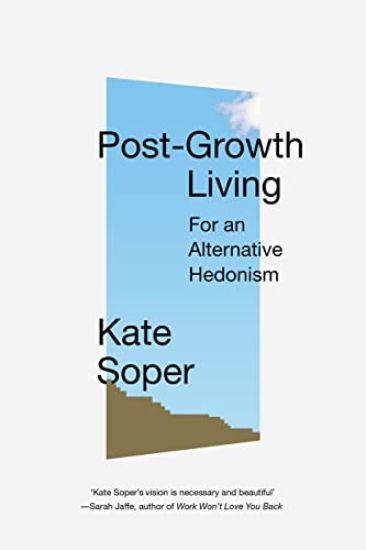
Post-Growth Living

Post-Growth Living

Kate Soper

Verso Books
2023
nidottu

Halvin toimitettuna 21,20 €

The reality of runaway climate change is inextricably linked with the mass consumerist, capitalist society in which we live. And the cult of endless growth, and endless consumption of cheap disposable commodities isn't only destroying the world, it is damaging ourselves and our way of being. How do we stop the impending catastrophe, and how can we create a movement capable of confronting it head-on? In Alternative Prosperity, philosopher Kate Soper offers an urgent plea for a new vision of the good life, one that is capable of delinking prosperity from endless growth. Instead, she calls for a renewed emphasis on the joys of being, one that is capable of collective happiness not in consumption but by creating a future that allows not only for more free time, and less conventional and more creative ways of using it, but also for more fulfilling ways of working and existing. This is an urgent and necessary intervention into debates on climate change.
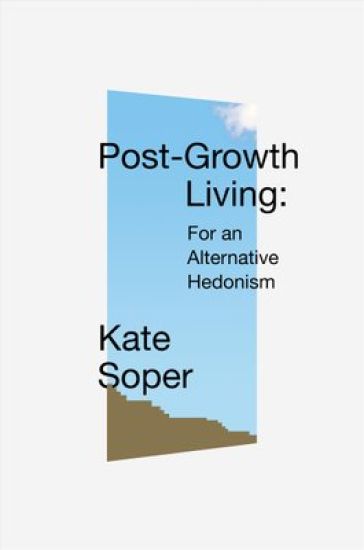
Post-Growth Living

Post-Growth Living

Kate Soper

Verso Books
2020
sidottu

Halvin toimitettuna 24,90 €

The reality of runaway climate change is inextricably linked with the mass consumerist, capitalist society in which we live. And the cult of endless growth, and endless consumption of cheap disposable commodities isn't only destroying the world, it is damaging ourselves and our way of being. How do we stop the impending catastrophe, and how can we create a movement capable of confronting it head-on? In Alternative Prosperity, philosopher Kate Soper offers an urgent plea for a new vision of the good life, one that is capable of delinking prosperity from endless growth. Instead, she calls for a renewed emphasis on the joys of being, one that is capable of collective happiness not in consumption but by creating a future that allows not only for more free time, and less conventional and more creative ways of using it, but also for more fulfilling ways of working and existing. This is an urgent and necessary intervention into debates on climate change.

Ekomarxism: Grundtexter

Ekomarxism: Grundtexter

Kate Soper; James O'Connor; Ted Benton; Paul Burkett; John Bellamy Foster; Brett Clark; Richard York

Tankekraft Förlag
2014
nidottu
Under senare år har marxismen berikats med ekologiska tankegods, samtidigt som en bortglömd ekologisk sida hos Marx, Engels och den första generationens marxister har avtäckts. I denna volym publiceras sex av den ekologiska marxismens grundtexter[, skrivna av James O'Connor, Ted Benton, Kate Soper, Paul Burkett, John Bellamy Foster, Brett Clark och Richard York]. De sätts även i ett vidare ideologiskt och politiskt sammanhang i en utförlig introduktion. ”Samtidigt som den ekologiska marxismen delar den radikala miljörörelsens analys av ekonomisk tillväxt som i grunden ohållbar, anser den, till skillnad från exempelvis ekologiska ekonomer, inte att en stillastående eller rent av krympande kapitalistiskt ekonomi är möjlig. Strikt logiskt utmynnar därmed en ekomarxistisk analys i att en hållbar kapitalism är en självmotsägelse.” Ur Rikard Warlenius inledning
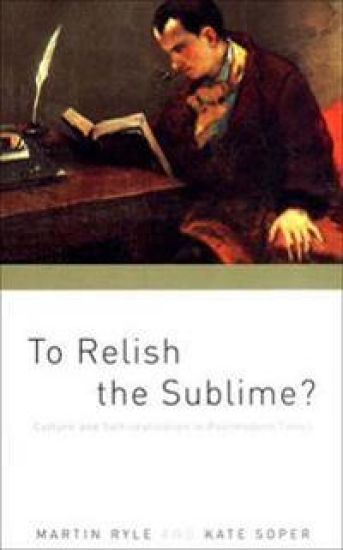
To Relish the Sublime?

To Relish the Sublime?

Kate Soper; Martin Ryle

Verso Books
2002
nidottu
More than 130 years from Matthew Arnold's pronouncement that human beings 'must be compelled to relish the sublime', education in the humanities still relies on the ideal of culture as the means of intellectual development. In this distinctive and original work, Martin Ryle and Kate Soper explore the growing tensions and contradictions between this and the contemporary world of work, pleasure, and consumption. While critical of the hypocrisies and elitism that can attach to notions of cultural self-realization, the authors nonetheless defend its overall educational and social value. Their wide-ranging discussion takes in critiques of philosophers from Kant and Schiller to Nietzsche and Marx, and includes historically contextualized readings of novels by Wollstonecraft, Hardy, Gissing, London, and Woolf. In their sustained defense of a conception of personal worth and self-fulfillment for its own sake, Ryle and Soper not only offer a powerful critique of the continuing dominance of work in contemporary society, but also provide a compelling alternative to the standard postmodern skepticism about the relevance of high culture.
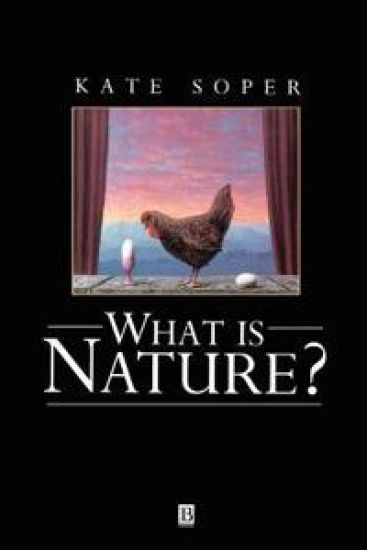
What is Nature?

What is Nature?

Kate Soper

Blackwell Publishers
1995
nidottu
'This is an excellent book. It addresses what, in both conceptual and political terms, is arguably the most important source of tension and confusion in current arguments about the environment, namely the concept of nature; and it does so in a way that is both sensitive to, and critical of, the two antithetical ways of understanding this that dominate existing discussions.' Russell Keat, University of Edinburgh
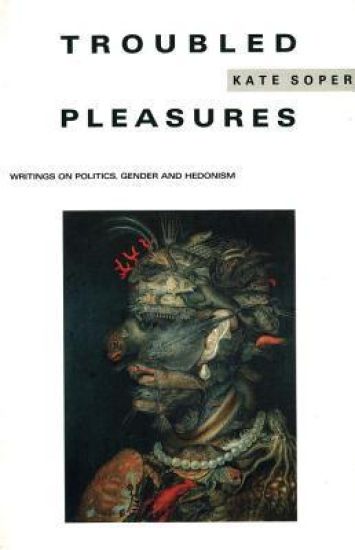
Troubled Pleasures

Troubled Pleasures

Kate Soper

Verso Books
1990
nidottu
What happens when 'life's simple joys' become complicated? When pleasure is transformed as a function of consumption, the innocent comforts of food, nature and place are embedded in complex practices of distribution and exploitation. Exotic and diverse objects of pleasure are made available only at the price of a heightened awareness of their origins, genealogies and possible effects; 'authenticity' recedes behind objects produced as pleasures. Troubled Pleasures considers the ways in which modern pleasure is fraught with unhappy implications, at the same time as contemporary critical arguments put into question the touchstones of identity, morality, subjectivity and desire. It brings together writings which explore the sources of pleasure's 'loss of innocence', and which argue the case for a scrupulous 'alternative hedonism'. Including essays on human needs, socialism and gender, a feminist response to Joyce's Ulysses, and a fictional reflection on appetite and excess, Troubled Pleasures plots an Epicurean path between righteous asceticism and conspicuous consumption.