Kirjojen hintavertailu – 12 859 818 kirjaa ja 27 kauppaa
Kirjailija
Katharina O Cathaoir
Kirjat ja teokset yhdessä paikassa: 4 kirjaa, julkaisuja vuosilta 2020–2025, suosituimpiin kuuluu Sundhedsvæsen og sundhedspolitik. Vertaile teosten hintoja ja tarkista saatavuus suomalaisista kirjakaupoista.
Nimi esiintyy myös muodoissa: Katharina O. Cathaoir
Denne reviderede 4. udgave af Sundhedsvæsen og sundhedspolitik er skrevet af en bred kreds af forfattere med forskellige perspektiver og faglige tilgange for at opnå et mangfoldigt og nuanceret blik på emnet. Formålet med denne bog er at give læseren et godt overblik samt et udvalg af teoretiske og analytiske redskaber til at forstå og vurdere sundhedsvæsenets opbygning og funktion. Bogen henvender sig til studerende inden for medicin, folkesundhedsvidenskab, MPH samt andre sundhedsrelaterede uddannelser. Bogen kan også med fordel anvendes af sundhedsprofessionelle, administratorer og beslutningstagere, der ønsker en dybere indsigt i sundhedsvæsenets opbygning og udfordringer. Sundhedsvæsenet er et af de mest debatterede emner i den politiske og offentlige arena. I denne debat er der flere centrale spørgsmål, såsom hvordan vi sikrer let og lige adgang til sundhedsydelser, og hvordan vi leverer behandling af høj kvalitet. Samtidig er der sjældent lette løsninger. Derudover spiller sundhedsvæsenet en central rolle i de fleste borgeres liv og er under konstant og hastig udvikling. For at kunne bidrage til udviklingen af et velfungerende sundhedsvæsen kræves en solid forståelse baseret på forskning i sundhedsvæsenets struktur, funktioner og virkninger – det felt, der kaldes sundhedstjenesteforskning. Sundhedsvæsen og sundhedspolitik bygger på resultaterne af denne forskning og har til formål at formidle den viden, der er nødvendig for at forstå og navigere i sundhedsvæsenets komplekse dynamikker.
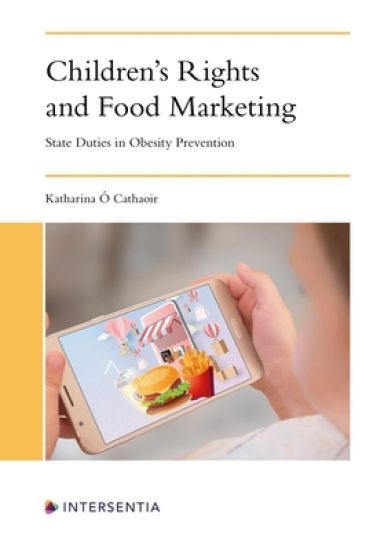
This book provides a thorough account of states’ obligations to prevent childhood obesity under the Convention on the Rights of the Child, focusing on restricting unhealthy food marketing to children. It argues that while political momentum is sluggish and stilted, children’s rights provide a compelling basis for action. This is important because unhealthy food marketing is a transnational concern that no one state can effectively regulate alone. Furthermore, the book fills gaps in research on socioeconomic rights by offering an analysis of states’ obligations under the rights to health and nutrition in relation to non-communicable disease prevention in high-income states. It zeroes in on provisions of the Convention on the Rights of the Child (CRC), allowing for a detailed analysis of the Convention as a whole. The book avoids a myopic focus, examining state obligations in the context of conflicting and complementary international duties including international health law, the European Convention on Human Rights, European Union law and international trade law. Children’s Rights and Food Marketing focuses on the CRC as it binds all states parties to a basic framework, which, if fully implemented, provides children in developed and developing countries with entitlements to universal standards. The Convention adds legal and moral accountability to states’ public health duties. Furthermore, children’s rights not only impose obligations to regulate, but also obligations to do so in a manner that fully respects children’s rights, namely by respecting the best interests and views of children. Besides analysing state obligations, the book presents a blueprint for what a child rights approach to regulating unhealthy food marketing could look like. It focuses on restrictions of unhealthy food marketing in the European Union, spanning consumer protection, media law and data protection law. Current law is evaluated using the WHO recommendations and children’s rights. The extent to which children’s rights principles are reflected in the texts of the rules and the manner in which complaints are handled are considered. To allow for a detailed analysis, complaints from the EU Pledge and Irish bodies are included. Ireland is an interesting case study as regulations are some of the most stringent in the EU. The state is also home to many of the world’s leading technology companies, and thereby its laws have a wide reach. This book is of interest to academics, practitioners and organisations working in the field of public health law and children’s rights.
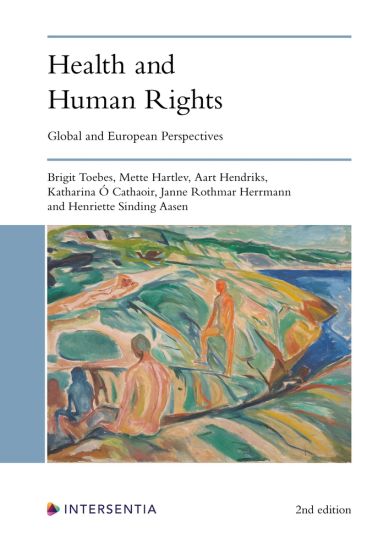
'Health and human rights' is an important dimension of international and European human rights and health law. It is multi-disciplinary, engaging scholars and practitioners of public health and medicine, as well as legal scholars and human rights lawyers. Taking a 'health and human rights approach' means applying international, regional and domestic human rights law to a wide range of health-related issues. Human rights law informs other areas of law that engage with health issues, including international and domestic health law, biolaw and bioethics, patients' rights, and environmental law. It brings a new, and often more international, as well as a moral dimension to existing legal analyses of health issues. This is essential in an increasingly interconnected and globalised world, where health concerns are omnipresent and can no longer be addressed solely at a domestic level. This book focuses on the legal interfaces between 'health' and 'human rights', taking both a global as well as a European approach. Globally, there are tremendous challenges when it comes to the protection of collective and individual health. Such challenges include weak (primary) healthcare systems, the spread of infectious diseases, such as COVID-19, and the increase of noncommunicable diseases (NCDs), as well as the health effects of air pollution and climate change. In such settings, human rights can, potentially, play an important role in protecting the rights of vulnerable individuals. It is a compelling framework for assessing these and other questions in the health field, as it couples health-related problems with a legal and moral dimension. The international recognition and definition of the 'right to health' is at the centre of this, but there are many other relevant human rights standards, including the right to life, the right to respect for privacy and family life, and the right to have access to information. International case law in the health field has made its mark when it comes to matters like access to health services, abortion, and inhuman and degrading treatment in health settings. Increasingly, links are being sought between human rights and other international standards protecting health, in particular the standards adopted by the World Health Organization (WHO). The European context is, to some extent, a region sui generis, not only in terms of health issues and health outcomes, but also from a political and legal perspective. The authoritative case law of the European Court of Human Rights (ECtHR) of the Council of Europe has increasingly touched upon health-related issues. Health and Human Rights brings together contributions from human rights and health law experts from three different countries in Northern Europe. Together, the chapters give a rich account of the legal and interdisciplinary aspects and perspectives related to 'health and human rights'. This book is of interest to lecturers, students, practitioners and law- and policymakers and offers up-to-date analyses of crucial human rights issues in modern healthcare, practices and regulations in Europe and beyond.
Mette Hartlev; Karin Christiansen; John Brandt Brodersen; Søren Harnow Klausen; Karin Tybjerg; Marianne Nielsen; Esben Nedenskov Petersen; Sara Green; Henrik Vogt; Katharina O. Cathaoir; Regina Christiansen; Marielouise Mærkedahl; Lasse Nielsen
PERSONLIG MEDICIN beskriver filosofiske og tværvidenskabelige perspektiver på en vigtig sundhedsvidenskabelig tendens. I hele medicinens historie har man drømt om at skræddersy behandlingen til den enkelte patient, og med den hastige udvikling af genetisk diagnostik og terapi, kunstig intelligens og monitoreringsteknologi er der nu udsigt til, at drømmen kan blive til virkelighed. Der savnes dog en debat om de værdimæssige spørgsmål, som udviklingen rejser. Hvad er fælles, personligt og privat på sundhedsområdet, og hvordan skal midlerne fordeles og den faglige indsats prioriteres i et sundhedsvæsen, hvor den enkelte patient skal sættes i centrum? Og hvilke krav stiller udviklingen til fremtidens sundhedsprofessionelle – og til dem, som skal uddanne dem? I 10 kapitler stiller bogens forfattere skarpt på disse spørgsmål og præsenterer samtidig den nyeste viden om personlig medicin i bred forstand med fokus på de samfundsmæssige, etiske og videnskabsteoretiske aspekter. Bogen kan bruges som lærebog på de sundhedsfaglige uddannelser, men også inden for samfundsvidenskab og humaniora, hvor man beskæftiger sig med forholdet mellem sundhed, samfund, værdier og forestillinger. PERSONLIG MEDICIN er forskningsbaseret og skrevet af en bred vifte af eksperter og forskere. Bidragyderne tæller filosoffer, læger, jurister, videnskabshistorikere, bioanalytikere og teologer, som hver især sætter de medicinske teknologier og praksisser ind i en større sammenhæng. Bogen udkommer i bogserien SUNDHED, MENNESKE, SAMFUND, redigeret af professor Klaus Lindgaard Høyer (KU) og lektor Lotte Huniche (SDU), som samler Munksgaards peer review-udgivelser inden for human- og samfundsvidenskabelig sundhedsforskning.