Kirjojen hintavertailu – 12 859 828 kirjaa ja 27 kauppaa

Kirjailija

Katherine Isbister

Kirjat ja teokset yhdessä paikassa: 4 kirjaa, julkaisuja vuosilta 2006–2024, suosituimpiin kuuluu Better Game Characters by Design. Vertaile teosten hintoja ja tarkista saatavuus suomalaisista kirjakaupoista.

4 kirjaa

Kirjojen julkaisuvuodet: 2006–2024.

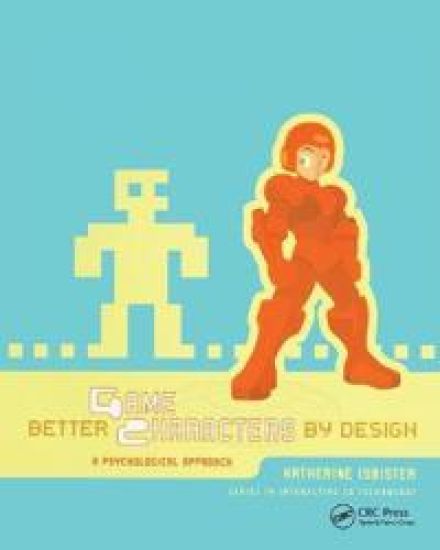
Better Game Characters by Design

Better Game Characters by Design

Katherine Isbister

CRC Press
2018
sidottu
Games are poised for a major evolution, driven by growth in technical sophistication and audience reach. Characters that create powerful social and emotional connections with players throughout the game-play itself (not just in cut scenes) will be essential to next-generation games. However, the principles of sophisticated character design and interaction are not widely understood within the game development community. Further complicating the situation are powerful gender and cultural issues that can influence perception of characters. Katherine Isbister has spent the last 10 years examining what makes interactions with computer characters useful and engaging to different audiences. This work has revealed that the key to good design is leveraging player psychology: understanding what's memorable, exciting, and useful to a person about real-life social interactions, and applying those insights to character design. Game designers who create great characters often make use of these psychological principles without realizing it. Better Game Characters by Design gives game design professionals and other interactive media designers a framework for understanding how social roles and perceptions affect players' reactions to characters, helping produce stronger designs and better results.
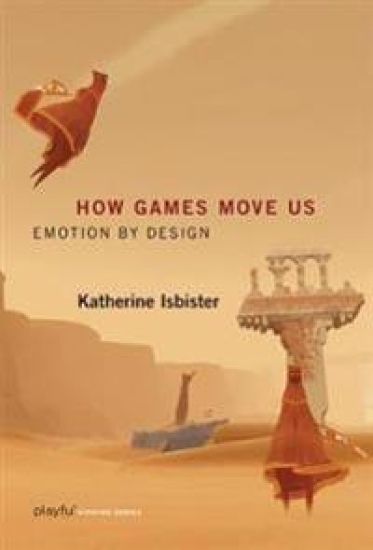
How Games Move Us

How Games Move Us

Katherine Isbister

MIT Press
2017
pokkari

Halvin toimitettuna 28,40 €

An engaging examination of how video game design can create strong, positive emotional experiences for players, with examples from popular, indie, and art games. This is a renaissance moment for video games—in the variety of genres they represent, and the range of emotional territory they cover. But how do games create emotion? In How Games Move Us, Katherine Isbister takes the reader on a timely and novel exploration of the design techniques that evoke strong emotions for players. She counters arguments that games are creating a generation of isolated, emotionally numb, antisocial loners. Games, Isbister shows us, can actually play a powerful role in creating empathy and other strong, positive emotional experiences; they reveal these qualities over time, through the act of playing. She offers a nuanced, systematic examination of exactly how games can influence emotion and social connection, with examples—drawn from popular, indie, and art games—that unpack the gamer's experience. Isbister describes choice and flow, two qualities that distinguish games from other media, and explains how game developers build upon these qualities using avatars, non-player characters, and character customization, in both solo and social play. She shows how designers use physical movement to enhance players' emotional experience, and examines long-distance networked play. She illustrates the use of these design methods with examples that range from Sony's Little Big Planet to the much-praised indie game Journey to art games like Brenda Romero's Train. Isbister's analysis shows us a new way to think about games, helping us appreciate them as an innovative and powerful medium for doing what film, literature, and other creative media do: helping us to understand ourselves and what it means to be human.

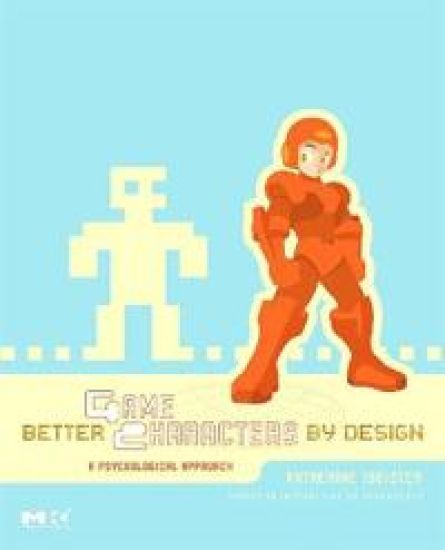
Better Game Characters by Design

Better Game Characters by Design

Katherine Isbister

Morgan Kaufmann Publishers In
2006
nidottu
Games are poised for a major evolution, driven by growth in technical sophistication and audience reach. Characters that create powerful social and emotional connections with players throughout the game-play itself (not just in cut scenes) will be essential to next-generation games. However, the principles of sophisticated character design and interaction are not widely understood within the game development community. Further complicating the situation are powerful gender and cultural issues that can influence perception of characters. Katherine Isbister has spent the last 10 years examining what makes interactions with computer characters useful and engaging to different audiences. This work has revealed that the key to good design is leveraging player psychology: understanding what's memorable, exciting, and useful to a person about real-life social interactions, and applying those insights to character design. Game designers who create great characters often make use of these psychological principles without realizing it. Better Game Characters by Design gives game design professionals and other interactive media designers a framework for understanding how social roles and perceptions affect players' reactions to characters, helping produce stronger designs and better results.