Kirjojen hintavertailu – 12 903 737 kirjaa ja 27 kauppaa

Kirjailija

Katherine Jones

Kirjat ja teokset yhdessä paikassa: 10 kirjaa, julkaisuja vuosilta 2000–2025, suosituimpiin kuuluu The Invisible History of Museum Computing. Vertaile teosten hintoja ja tarkista saatavuus suomalaisista kirjakaupoista.

10 kirjaa

Kirjojen julkaisuvuodet: 2000–2025.

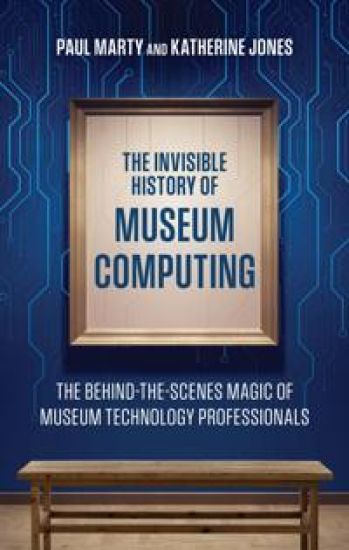
The Invisible History of Museum Computing

The Invisible History of Museum Computing

Paul Marty; Katherine Jones

ROWMAN LITTLEFIELD
2025
nidottu
The Invisible History of Museum Computing uses engaging quotes from a one-of-a-kind collection of oral histories gathered by the authors from more than fifty current and former museum technology professionals working in the Americas, Europe, Asia, and Australia to shine a light on the invisible, behind-the-scenes work of museum computing. This book provides a critical analysis of key trends in museum computing that collectively drove the museum technology profession forward from the 1960s to the present day, and offers an “annotated history” of museum computing that shares engaging quotes from the museum technology professionals who participated in this oral history project, places their memories in the appropriate historical context, and uses their personal stories to tell the history of museum computing from the perspective of the very people who lived through it. Filled with a positive spirit of inspiration, innovation, and boundless enthusiasm, this book brings to life the history of museum computing in a way that has never been done before as it explores the overarching trends that influenced the field of museum computing over the past sixty years and explains why that history continues to matter today as museums move forward into their digital future.
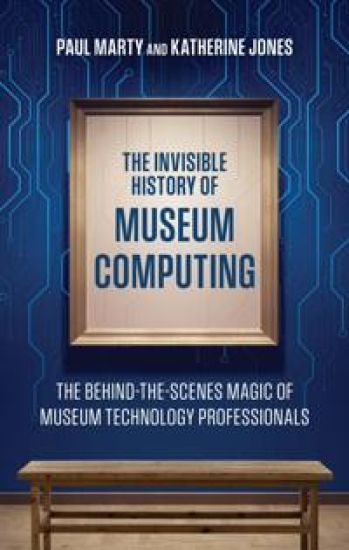
The Invisible History of Museum Computing

The Invisible History of Museum Computing

Paul Marty; Katherine Jones

ROWMAN LITTLEFIELD
2025
sidottu
The Invisible History of Museum Computing uses engaging quotes from a one-of-a-kind collection of oral histories gathered by the authors from more than fifty current and former museum technology professionals working in the Americas, Europe, Asia, and Australia to shine a light on the invisible, behind-the-scenes work of museum computing. This book provides a critical analysis of key trends in museum computing that collectively drove the museum technology profession forward from the 1960s to the present day, and offers an “annotated history” of museum computing that shares engaging quotes from the museum technology professionals who participated in this oral history project, places their memories in the appropriate historical context, and uses their personal stories to tell the history of museum computing from the perspective of the very people who lived through it. Filled with a positive spirit of inspiration, innovation, and boundless enthusiasm, this book brings to life the history of museum computing in a way that has never been done before as it explores the overarching trends that influenced the field of museum computing over the past sixty years and explains why that history continues to matter today as museums move forward into their digital future.

One Wife Too Many

One Wife Too Many

Katherine Jones

Mulberry Books
2019
nidottu
The Mitchells are seemingly the perfect couple, happy and in love. Harlan is a hospital administrator, and Shayla, his wife, is a successful real estate woman, heiress, and mother of their two grown sons. For twenty-some years, they lived the American dream, then Harlan sees the alluring Celia Green in the hospital and succumbs to her beauty. They carry on a hot and heavy love affair for five years, then Celia persuades Harlan to marry her, and he does without the benefit of divorcing his wife. At the end of their first wedding day in Vegas, their relationship changes for the worse. Tension develops, tempers flare, threats are made, and the triangle turns deadly when Celia demands Harlan to divorce his wife. Harlan flatly refuses. Celia vows she is not going to play second fiddle and tells Harlan if he wants a divorce, get it from Shayla.
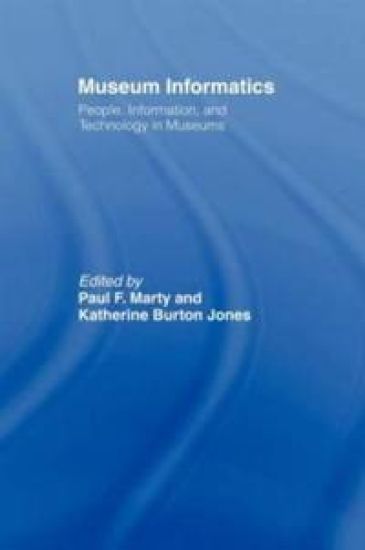
Museum Informatics

Museum Informatics

Paul F. Marty; Katherine Jones

Routledge
2009
nidottu
Museum Informatics explores the sociotechnical issues that arise when people, information, and technology interact in museums. It is designed specifically to address the many challenges faced by museums, museum professionals, and museum visitors in the information society. It examines not only applications of new technologies in museums, but how advances in information science and technology have changed the very nature of museums, both what it is to work in one, and what it is to visit one. To explore these issues, Museum Informatics offers a selection of contributed chapters, written by leading museum researchers and practitioners, each covering significant themes or concepts fundamental to the study of museum informatics and providing practical examples and detailed case studies useful for museum researchers and professionals. In this way, Museum Informatics offers a fresh perspective on the sociotechnical interactions that occur between people, information, and technology in museums, presented in a format accessible to multiple audiences, including researchers, students, museum professionals, and museum visitors.
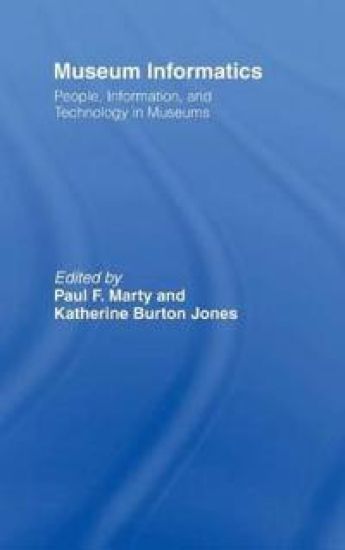
Museum Informatics

Museum Informatics

Paul F. Marty; Katherine Jones

Routledge Member of the Taylor and Francis Group
2007
sidottu
Museum Informatics explores the sociotechnical issues that arise when people, information, and technology interact in museums. It is designed specifically to address the many challenges faced by museums, museum professionals, and museum visitors in the information society. It examines not only applications of new technologies in museums, but how advances in information science and technology have changed the very nature of museums, both what it is to work in one, and what it is to visit one. To explore these issues, Museum Informatics offers a selection of contributed chapters, written by leading museum researchers and practitioners, each covering significant themes or concepts fundamental to the study of museum informatics and providing practical examples and detailed case studies useful for museum researchers and professionals. In this way, Museum Informatics offers a fresh perspective on the sociotechnical interactions that occur between people, information, and technology in museums, presented in a format accessible to multiple audiences, including researchers, students, museum professionals, and museum visitors.