Kirjojen hintavertailu – 12 903 725 kirjaa ja 27 kauppaa

Kirjailija

Kathryn Ecclestone

Kirjat ja teokset yhdessä paikassa: 8 kirjaa, julkaisuja vuosilta 1996–2024, suosituimpiin kuuluu Transforming Formative Assessment in Lifelong Learning. Vertaile teosten hintoja ja tarkista saatavuus suomalaisista kirjakaupoista.

8 kirjaa

Kirjojen julkaisuvuodet: 1996–2024.

Testament of Lost Youth

Testament of Lost Youth

Kathryn Ecclestone

PEN SWORD BOOKS LTD
2024
sidottu

Halvin toimitettuna 38,00 €

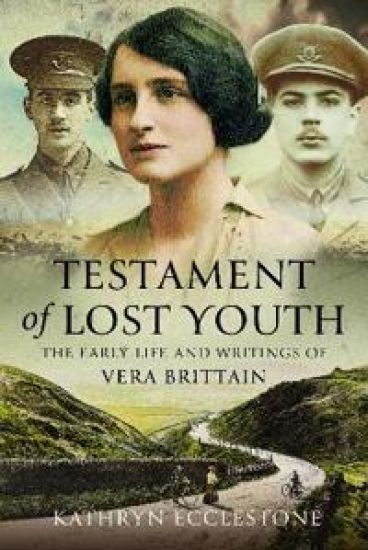
Vera Brittain is one of the twentieth century’s most significant feminist and pacifist figures. Her 1933 best-selling First World War memoir, Testament of Youth, is acclaimed as one of the most important autobiographies of the last hundred years. Testament of Lost Youth is the first book to examine Vera’s cossetted middle-class upbringing in once-fashionable Buxton, between 1905 and 1915. She condemned her 'provincial young ladyhood' with remorseless fervour, but were her criticisms justified, or is there a more complex, nuanced story? Drawing on Vera's own diary, letters, and a wealth of historical sources, Kathryn Ecclestone uncovers the hidden layers of Vera's privileged early life. Her book challenges traditional portrayals to shed new light on the unique social atmosphere of Edwardian Buxton, Vera's schooling and experience of university, her family, social and love life, before a harrowing journey through the First World War, where she lost her fiancé, adored brother and many friends and acquaintances. From her intellectual awakening to her battles against societal constraints, this book, filled with images of Vera and her family, presents a nuanced exploration of a remarkable woman, revealing how her early life shaped and inspired the icon the world came to know.
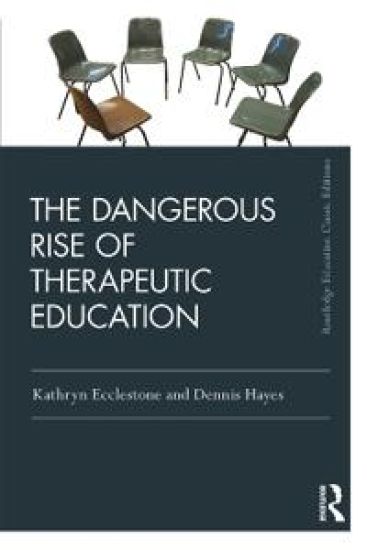
The Dangerous Rise of Therapeutic Education

The Dangerous Rise of Therapeutic Education

Kathryn Ecclestone; Dennis Hayes

Routledge
2019
sidottu
The Dangerous Rise of Therapeutic Education confronts the silent ascendancy of a therapeutic ethos across the educational system and into the workplace. Controversial and compelling, Kathryn Ecclestone and Dennis Hayes’ classic text uses a wealth of examples across the education system, from primary schools to university and the workplace, to show how therapeutic education is turning children, young people and adults into anxious and self-preoccupied individuals rather than aspiring, optimistic and resilient learners who want to know everything about the world. Remaining extremely topical, the chapters illuminate the powerful effects of therapeutic education, including: How therapeutic learning is taking shape, now and in the future How therapeutic ideas from popular culture have come to govern social thought and policies How the fostering of dependence and compulsory participation in therapeutic activities that encourage the disclosing of emotions, can undermine parents’ and teachers’ confidence and authority How therapeutic forms of teacher training undermine faith in the pursuit of knowledge How political initiatives in emotional literacy, emotional wellbeing and ‘positive mental health’ propagate a diminished view of human potential throughout the education system and the workplace. The Dangerous Rise of Therapeutic Education is an eye-opening read for every teacher and leader across the field of education, and every parent and student, who is passionate about the power of knowledge to transform people’s lives. It is a call for a debate about the growing impact of therapeutic education and what it means for learning now and in the future.
The Dangerous Rise of Therapeutic Education

The Dangerous Rise of Therapeutic Education

Kathryn Ecclestone; Dennis Hayes

Routledge
2019
nidottu
The Dangerous Rise of Therapeutic Education confronts the silent ascendancy of a therapeutic ethos across the educational system and into the workplace. Controversial and compelling, Kathryn Ecclestone and Dennis Hayes’ classic text uses a wealth of examples across the education system, from primary schools to university and the workplace, to show how therapeutic education is turning children, young people and adults into anxious and self-preoccupied individuals rather than aspiring, optimistic and resilient learners who want to know everything about the world. Remaining extremely topical, the chapters illuminate the powerful effects of therapeutic education, including: How therapeutic learning is taking shape, now and in the future How therapeutic ideas from popular culture have come to govern social thought and policies How the fostering of dependence and compulsory participation in therapeutic activities that encourage the disclosing of emotions, can undermine parents’ and teachers’ confidence and authority How therapeutic forms of teacher training undermine faith in the pursuit of knowledge How political initiatives in emotional literacy, emotional wellbeing and ‘positive mental health’ propagate a diminished view of human potential throughout the education system and the workplace. The Dangerous Rise of Therapeutic Education is an eye-opening read for every teacher and leader across the field of education, and every parent and student, who is passionate about the power of knowledge to transform people’s lives. It is a call for a debate about the growing impact of therapeutic education and what it means for learning now and in the future.
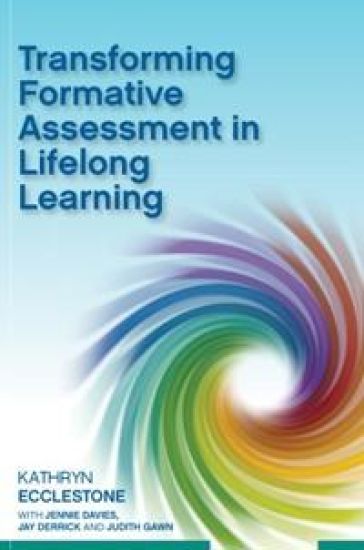
Transforming Formative Assessment in Lifelong Learning

Transforming Formative Assessment in Lifelong Learning

Kathryn Ecclestone

Open University Press
2010
nidottu
Despite good intentions for formative assessment to enhance the quality of students' learning and motivation, it is widely misunderstood. Throughout the education system, it has become little more than a way of coaching students to meet the demands of summative assessment. This unique book combines theory, research and practical insights to demonstrate how teachers might enhance their understanding of formative assessment, particularly in vocational and adult education settings that are under pressure to meet targets for inclusion, retention and achievement. Drawing on recent research, the book includes six case studies that draw out the implications of the research findings to suggest ways in which teachers might change their assessment practice, despite the pressures in their own contexts. It considers:What is formative assessment, and what is it not? What impact do political and social factors have on assessment practices? Why do similar assessment practices have different effects in different 'learning cultures'? What role does subject knowledge play in educationally-worthwhile formative assessment? How can teachers, lecturers and other education professionals improve formative assessment? This book is essential reading for teachers, trainee teachers, staff development officers, researchers and those running training courses throughout the lifelong learning sector. It is ideal for those studying for PTLLS, CTLLS and DTLLS qualifications and for Cert Ed and PGCE awards related to the Lifelong Learning Sector. It is also relevant to various stakeholders involved in the design of qualifications, including awarding bodies, and to researchers interested in assessment and the impact of education policy on practice in all sectors of the education system, and particularly in lifelong learning. The book is authored with Jennie Davies, Visiting Research Fellow, University of Exeter, UK; Jay Derrick, Adult Education Consultant/Visiting Lecturer, Institute of Education, London, UK; and Judith Gawn, Regional Programme Director (LLN), NIACE London, UK.
Learning Autonomy in Post-16 Education

Learning Autonomy in Post-16 Education

Kathryn Ecclestone

Routledge
2002
sidottu
This book makes an important contribution to understanding the political, social and educational impact of assessment. Using a multi-layered approach, it offers a fascinating case study of how post-16 assessment systems are designed and debated inside policy making processes. This case study highlights the broader tensions at the heart of assessment policy. The book also explores the complex factors that affect how teachers and students use formative assessment to achieve higher standards of educational attainment and more autonomous learning. Learning Autonomy in Post-16 Education is a comprehensive and authoritative account of policy and practice in post-16 assessment. The book weaves together new theoretical frameworks with evidence from empirical research to offer a detailed picture of the diverse factors affecting the quality of formative assessment in further education. The book will be of particular interest to teachers and practitioners across the post-16 sector on postgraduate and in-service professional development courses. It will also be of interest to researchers, inspectors and qualification designers.
Learning Autonomy in Post-16 Education

Learning Autonomy in Post-16 Education

Kathryn Ecclestone

Routledge
2002
nidottu
This book makes an important contribution to understanding the political, social and educational impact of assessment. Using a multi-layered approach, it offers a fascinating case study of how post-16 assessment systems are designed and debated inside policy making processes. This case study highlights the broader tensions at the heart of assessment policy. The book also explores the complex factors that affect how teachers and students use formative assessment to achieve higher standards of educational attainment and more autonomous learning. Learning Autonomy in Post-16 Education is a comprehensive and authoritative account of policy and practice in post-16 assessment. The book weaves together new theoretical frameworks with evidence from empirical research to offer a detailed picture of the diverse factors affecting the quality of formative assessment in further education. The book will be of particular interest to teachers and practitioners across the post-16 sector on postgraduate and in-service professional development courses. It will also be of interest to researchers, inspectors and qualification designers.