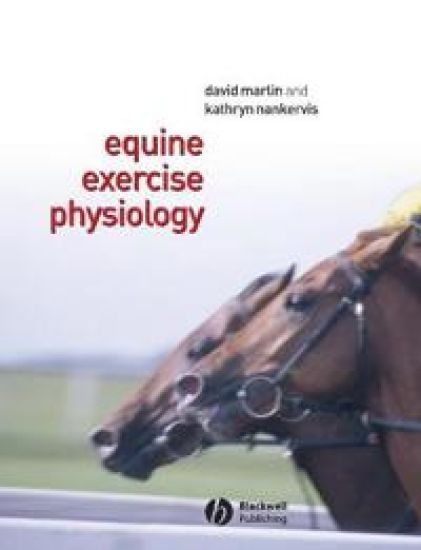
Equine Exercise Physiology
David Marlin; Kathryn J. Nankervis
JOHN WILEY AND SONS LTD
2002
nidottu
Halvin toimitettuna 85,50 €
Equine exercise physiology is an area that has been subject to major scientific advances over the last 30 years, largely due to the increased availability of high-speed treadmills and techniques for recording physiological function during exercise. Despite the scientific advances, many riders and trainers are still using little more than experience and intuition to train their horses. The aim of this book is to sort the fact from the fiction for the benefit of those involved in training, managing or working with horses, and to provide an up-to-date summary of the state of play in equine exercise physiology. Scientific theories are explained from first principles, with the assumption that the reader has no previous scientific background. The book is designed to save competitors and trainers a lot of time and effort trying to extract information in piecemeal fashion from a host of reference sources. For the first time, everything you need to know about exercising and training horses is here in one text.