Kirjojen hintavertailu – 12 903 725 kirjaa ja 27 kauppaa
Kirjailija
Katie Wood Ray
Kirjat ja teokset yhdessä paikassa: 7 kirjaa, julkaisuja vuosilta 2001–2025, suosituimpiin kuuluu The Writing Workshop. Vertaile teosten hintoja ja tarkista saatavuus suomalaisista kirjakaupoista.
So much has changed since 1999 when the original Wondrous Words: Writers and Writing in the Elementary Classrooms was published. The world is a different place, and our classrooms have changed. But, so much of what we learned in Wondrous Words holds true today. In this new reimagined edition of Wondrous Words, Katie Wood Ray revisits some of her original work that has been the grounding for quality writing instruction over the past quarter-century. Along with elementary teacher and EL coach, Stella Villalba, this book takes on new life. With the addition of new titles, new insights from children's authors and stories from classrooms today, Katie Wood Ray and Stella Villalba show what is possible when teachers embrace an inquiry-based instructional stance that creates joyful, rigorous, and student-centered writing classroomsNot only will you learn about books that serve as wonderful mentors for young writers, but you'll learn practical ideas for how to introduce key instructional concepts in your classrooms. When children see the power in reading like a writer, they grow as writers. Katie Wood Ray and Stella Villalba share the power of quality children's literature in teaching our young writers. Mentor texts provide the catalyst for quality student-responsive, explicit instruction. For those who read Wondrous Words when it was first published, this updated work will remind you of the journey you've taken as a teacher of writing and give you new ways to think about the ideas that have been embedded in your work with young writers. For those of you new to this work, it is sure to spark energy and excitement that brings joy and purpose to writing classrooms everywhere.
Using mentor texts from a range of high-interest sources and diverse authors can be a real game changer in secondary writing classrooms. Students learn to read like writers, deepening their understanding of quality writing and inspiring them in their own drafting and revision. In this foundational guide, you'll learn the what, why, and how of teaching with mentor texts in small ways as well as large--and discover the power of mentor texts to serve as "writing teachers" alongside you. Allison and Rebekah provide a multitude of annotated examples from professional writers, alongside student samples, to illustrate how mentor texts can teach specific writing skills. Online resources, planning tools, and videos for both teachers and students make A Teacher's Guide to Mentor Texts an instant companion to your lesson plan book.
You probably know that having young children memorize new words or relegating vocabulary instruction to one time of day is not the way to go, but you may not know what else to do to support students' vocabulary development. In this guide, Tanya Wright shows you how to make word learning more meaningful and engaging as you incorporate teaching about words across the day. Young children love to learn and use new words; the key is to tap into their natural curiosity and excitement. Tanya shows you how to create opportunities for children to think about and use words in meaningful contexts during read aloud, content-area learning, reading instruction, and writing instruction--all day long Classroom videos of teachers and children learning about words bring the ideas to life, and a friendly "What We Know" feature highlights important research that informs the practice.
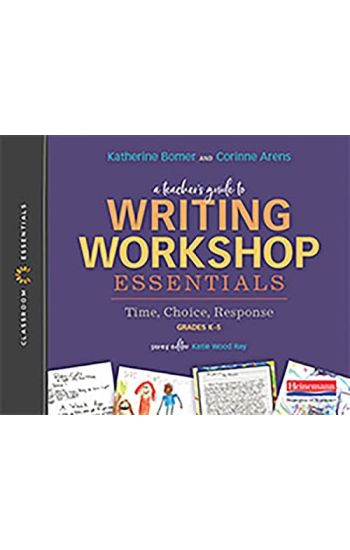
*How can I get started with writing workshop, or refine my workshop? *What are the essential elements of a writing workshop? *How can I create daily structures and routines that support writers? In this foundational guide, Katherine Bomer and Corinne Arens describe the elegant simplicity of a Writing Workshop focused on just three essentials--time, choice, and response. Based on the research-based belief that children learn to write best when we provide a predictable, daily structure for writing, Katherine and Corinne introduce teachers to the rituals and routines of writing workshop and suggest ways to take small, incremental steps toward implementing them. Shared from the viewpoint of two veteran educators who understand the issues and obstacles teachers face day to day, A Teacher's Guide to Writing Workshop Essentials also serves as a refresher for experienced workshop teachers looking for a chance to refocus, clarify, and extend the work in their practice. If your teaching has become more complicated and more focused on curriculum than on the writers sitting in front of you, if you're not sure what your students really need to support them as writers, or if you're just not sure how to get started with Writing Workshop, this guide is for you.
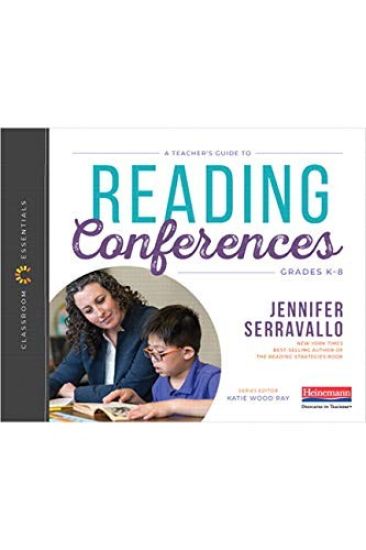
Why are reading conferences so important? What do effective reading conferences look and sound like? How do I fit reading conferences into my literacy block? "Conferring," writes Jennifer Serravallo, "is where the magic happens." In this primer, she reveals that this seeming magic is actually purposeful, responsive instruction. Jen presents conferences for six specific instructional situations: assessing, goal-setting, strategy lessons, and more. A rich design, replete with infographics and special features, guides you quickly from learning to teaching with: Jen's moves and language 9 videos of her teaching in K-8 classrooms 13 conference note-taking forms--one for each reading goal from the hierarchy in her Reading Strategies Book Suggestions for connecting emergent bilingual learners' language goals and reading goals. With Jen's support, you'll discover the true magic of conferring--the joyous, aha moments you'll see in growing readers.