
Kirjojen hintavertailu – 12 859 827 kirjaa ja 27 kauppaa

Kirjailija

Kay Davies

Kirjat ja teokset yhdessä paikassa: 2 kirjaa, julkaisuja vuodelta 2022, suosituimpiin kuuluu Home Learning Environments for Young Children. Vertaile teosten hintoja ja tarkista saatavuus suomalaisista kirjakaupoista.

2 kirjaa

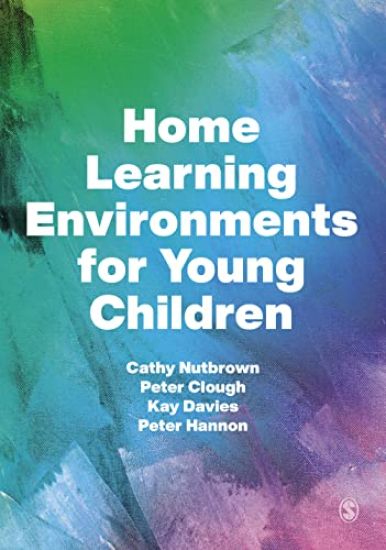
Home Learning Environments for Young Children

Home Learning Environments for Young Children

Cathy Nutbrown; Peter Clough; Kay Davies; Peter Hannon

SAGE PUBLICATIONS LTD
2022
sidottu
By bringing together research evidence on effectively supporting parents to engage with their children’s early learning, and the role of education professionals in developing partnerships with families, this book focuses on partnerships between professionals and parents to enhance family learning for young children in literacy and other aspects of early learning. The move towards setting, home-based, and online learning has accelerated, and it is important for both students and practitioners to value parents’ roles in their young children’s learning; to consider how parents can support young children’s learning in these scenarios, and how to apply this in practice with children aged birth to five. Through a wealth of case studies from real experience, the authors showcase an inspiring range of inclusive projects and approaches with families, including marginalised groups such as bilingual learners, fostering families, and families identified as ‘vulnerable’ including imprisoned fathers and children with specific learning needs.
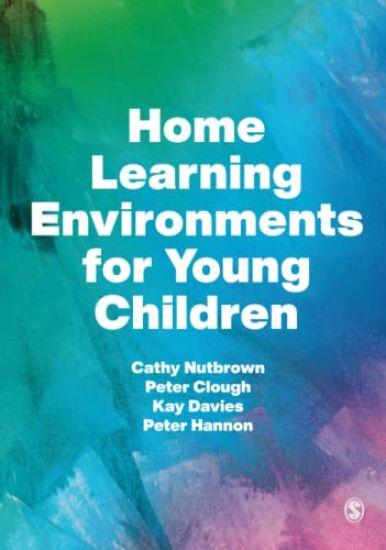
Home Learning Environments for Young Children

Home Learning Environments for Young Children

Cathy Nutbrown; Peter Clough; Kay Davies; Peter Hannon

SAGE PUBLICATIONS LTD
2022
nidottu
By bringing together research evidence on effectively supporting parents to engage with their children’s early learning, and the role of education professionals in developing partnerships with families, this book focuses on partnerships between professionals and parents to enhance family learning for young children in literacy and other aspects of early learning. The move towards setting, home-based, and online learning has accelerated, and it is important for both students and practitioners to value parents’ roles in their young children’s learning; to consider how parents can support young children’s learning in these scenarios, and how to apply this in practice with children aged birth to five. Through a wealth of case studies from real experience, the authors showcase an inspiring range of inclusive projects and approaches with families, including marginalised groups such as bilingual learners, fostering families, and families identified as ‘vulnerable’ including imprisoned fathers and children with specific learning needs.