Kirjojen hintavertailu – 12 859 829 kirjaa ja 27 kauppaa

Kirjailija

KEITH NICHOLSON

Kirjat ja teokset yhdessä paikassa: 4 kirjaa, julkaisuja vuosilta 1996–2011, suosituimpiin kuuluu Munching Mike's Mistake. Vertaile teosten hintoja ja tarkista saatavuus suomalaisista kirjakaupoista.

4 kirjaa

Kirjojen julkaisuvuodet: 1996–2011.

Geothermal Fluids

Geothermal Fluids

Keith Nicholson

Springer-Verlag Berlin and Heidelberg GmbH Co. K
2011
nidottu
This book introduces aqueous geochemistry applied to geothermal systems. It is specifically designed for readers first entering into the world of geothermal energy from a variety of scientific and engineering backgrounds, and consequently is not intended to be the last word on geothermal chemistry. Instead it is intended to provide readers with sufficient background knowledge to permit them to subsequently understand more complex texts and scientific papers on geothermal energy. The book is structured into two parts. The first explains how geothermal fluids and their associated chemistry evolve, and shows how the chemistry of these fluids can be used to, deduce information about the resource. The second part concentrates on survey techniques explaining how these should be performed and the procedures which need to be adopted to ensure reliable sampling and analytical data are obtained. A geothermal system requires a heat source and a fluid which transfers the heat towards the surface. The fluid could be molten rock (magma) or water. This book concentrates on the chemistry of the water, or hydrothermal, systems. Consequently, magma-energy systems are not considered. Hot-dry rock (HDR) systems are similarly outside the scope of this text, principally because they contain no indigenous fluid for study. Both magma-energy and HDR systems have potential as energy sources but await technological developments before they can be exploited commercially. Geothermal systems based on water, however, are proven energy resources which have been successfully developed throughout the world.
Causality of Psychological Injury

Causality of Psychological Injury

Gerald Young; Andrew W. Kane; Keith Nicholson

Springer-Verlag New York Inc.
2010
nidottu
This sequel to the authors’ Psychological Knowledge in Court offers a welcome expansion on key concepts, terms, and issues in causality, bringing much needed clarity to psychological injury assessments and the legal contexts that employ them. Focusing on PTSD, traumatic brain injury, and chronic pain (and grounding readers in salient U. S. and Canadian case law), Causality sets out a multifactorial causality framework to facilitate admissibility of psychological evidence in court. Issues concerning malingering are examined in depth, as are clinical gray areas that can jeopardize validity. At the same time, the book clearly explains what lawyers and clinicians need to understand about each other’s work—of crucial importance since the two sides often seem to speak at cross-purposes. The authors and six guest contributorsIllustrate the roles of preexisting vulnerabilities, traumatic events, and post-event occurrences in psychological impairment and disabilityReview the literature on PTSD, TBI, and chronic pain for legal relevanceIdentify current challenges and controversies in the field, as well as emerging areas for researchRecommend methods and instruments for conducting more courtworthy assessmentsProvide a detailed critical review of malingering and related phenomenaPropose a more accurate, shared terminology of causality Valid causality judgments are based on sound knowledge of research on large populations and careful testing of individuals; at the same time they must conform to stringent legal standards of relevance and reliability to be accepted for testimony. Forensic practitioners and attorneys will turn to Causality of Psychological Injury as their professional paths increasingly cross in seeking comprehensive and state of the art information.
Causality of Psychological Injury

Causality of Psychological Injury

Gerald Young; Andrew W. Kane; Keith Nicholson

Springer-Verlag New York Inc.
2007
sidottu
This sequel to the authors’ Psychological Knowledge in Court offers a welcome expansion on key concepts, terms, and issues in causality, bringing much needed clarity to psychological injury assessments and the legal contexts that employ them. Focusing on PTSD, traumatic brain injury, and chronic pain (and grounding readers in salient U. S. and Canadian case law), Causality sets out a multifactorial causality framework to facilitate admissibility of psychological evidence in court. Issues concerning malingering are examined in depth, as are clinical gray areas that can jeopardize validity. At the same time, the book clearly explains what lawyers and clinicians need to understand about each other’s work—of crucial importance since the two sides often seem to speak at cross-purposes. The authors and six guest contributorsIllustrate the roles of preexisting vulnerabilities, traumatic events, and post-event occurrences in psychological impairment and disabilityReview the literature on PTSD, TBI, and chronic pain for legal relevanceIdentify current challenges and controversies in the field, as well as emerging areas for researchRecommend methods and instruments for conducting more courtworthy assessmentsProvide a detailed critical review of malingering and related phenomenaPropose a more accurate, shared terminology of causality Valid causality judgments are based on sound knowledge of research on large populations and careful testing of individuals; at the same time they must conform to stringent legal standards of relevance and reliability to be accepted for testimony. Forensic practitioners and attorneys will turn to Causality of Psychological Injury as their professional paths increasingly cross in seeking comprehensive and state of the art information.
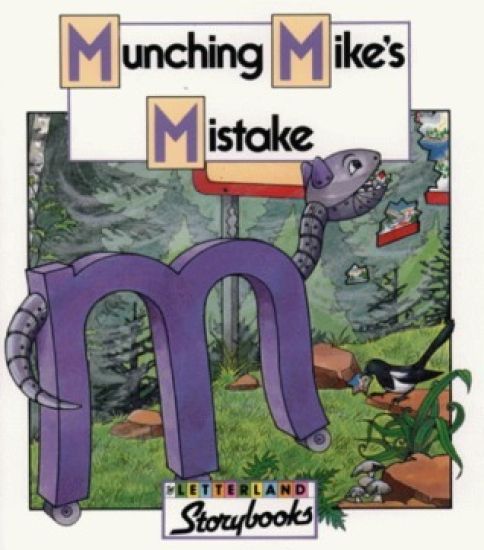
Munching Mike's Mistake

Munching Mike's Mistake

KEITH NICHOLSON; LYN WENDON

LETTERLAND INTERNATIONAL
1996
nidottu
This is one in a series of books which introduce children to the alphabet and help them take their first steps in reading and writing. Each Letterland character helps children with the sound and the shape of the letter as the child follows their adventures.