
Kirjojen hintavertailu – 12 903 725 kirjaa ja 27 kauppaa

Kirjailija

Keith Spiller

Kirjat ja teokset yhdessä paikassa: 2 kirjaa, julkaisuja vuosilta 2015–2018, suosituimpiin kuuluu Terrorism in the Classroom. Vertaile teosten hintoja ja tarkista saatavuus suomalaisista kirjakaupoista.

2 kirjaa

Kirjojen julkaisuvuodet: 2015–2018.

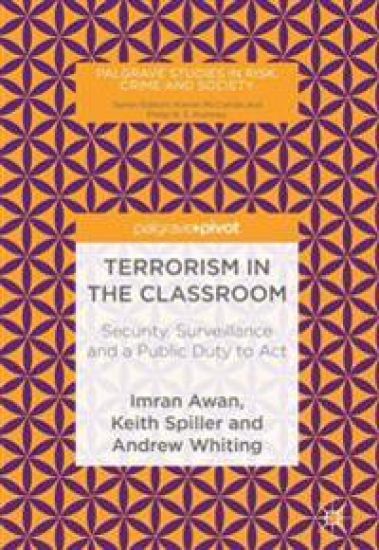
Terrorism in the Classroom

Terrorism in the Classroom

Imran Awan; Keith Spiller; Andrew Whiting

Springer Nature Switzerland AG
2018
sidottu
This book charts contemporary developments in counter-extremism within the UK education sector. Set against the background of the controversial Prevent strategy the book focuses on the expansion of counter-extremism into education and draws on key legislation such as the Counter Terrorism and Security Act (2015) that imposed a statutory counter-extremism duty on public sector workers in the UK. The authors provide a wide-ranging critique that draws on theories of surveillance and power, an international review of counter-extremism educational initiatives and a series of interviews with UK lecturers. Terrorism in the Classroom highlights the problems that occur when counter-extremism becomes an objective of education and a part of the curriculum, as well as the anxiety that is felt by educators who have been deputised into the role of counter-extremism practitioners. It will be of interest to students and scholars across a range of disciplines, including Criminology, International Relations, Politics and Education.

The Private Security State?

The Private Security State?

Kirstie Ball; Ana Canhoto; Elizabeth Daniel; Sally Dibb; Maureen Meadows; Keith Spiller

Copenhagen Business School Press
2015
nidottu
When businesses are required to send customer data to government, their systems and their employees become part of a wider security framework. Their commercial activities become shot through with insecurities and they are placed in a kind of double jeopardy: a failure to address these regulations can result in both national and commercial insecurity. The Private Security State? is the first full-length academic text to address the enrolment of the private sector in national security surveillance regimes. Through detailed empirical analysis, it questions how private organizations achieve compliance with demands for customer data. The book revolves around case studies of two public-private surveillance regimes: Anti-Money Laundering/Counter Terror Finance in retail financial services and the EBorders in the retail travel industry.