

Kirjailija
Kelly McDonald
Kirjat ja teokset yhdessä paikassa: 8 kirjaa, julkaisuja vuosilta 2008–2022, suosituimpiin kuuluu Gemeinsam unterschiedlich. Vertaile teosten hintoja ja tarkista saatavuus suomalaisista kirjakaupoista.
8 kirjaa
Kirjojen julkaisuvuodet: 2008–2022.
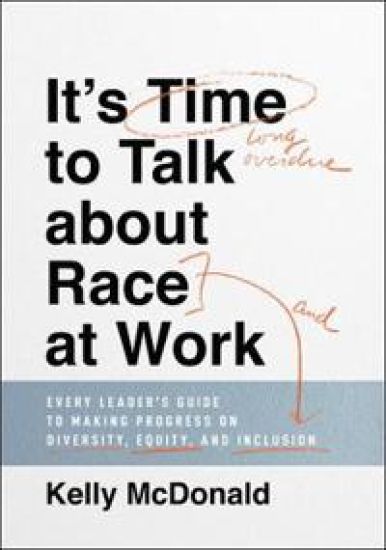
It's time the business world got the actionable, impactful, no-cost strategies needed to increase diversity and inclusion in the workplace Many white leaders want to create change but don't know how to do so appropriately and effectively. How do you know where the blind spots are that can create obstacles for people of color? Your intentions may be sincere and heartfelt, but intentions aren't enough. In It's Time to Talk about Race at Work, acclaimed speaker and bestselling author Kelly McDonald delivers a much-needed roadmap for business people. This book will help you successfully create a fair and equitable workplace that recognizes diverse talent and fosters productive and constructive conversations in your organization. It's Time to Talk about Race at Work does not approach diversity from the standpoint of social activism or an HR perspective. Instead, this book shows you exactly what to do and how to do it so that you can make real progress on diversity and inclusion, regardless of the size of your organization. The author's clear, "real talk" style makes it easy to learn: The costs and risks you're incurring if your organization lacks diversityHow people who don't consider themselves to be racist may still have diversity blind spotsHow to start the hard conversations you may not know how to approachThe STARTING Method—an eight-step framework that shows you how to ensure your diversity and inclusion efforts are effectiveHow to recognize the excuses people use to avoid taking action on diversity and inclusionHow to address the issues and comments that come up when employees feel nervous, resentful, or uncomfortable as you make headway on diversity in your organization Perfect for executives, managers, and leaders in organizations of all types and sizes, It's Time to Talk about Race at Work is also for employees who want to improve their organization by leading by example.
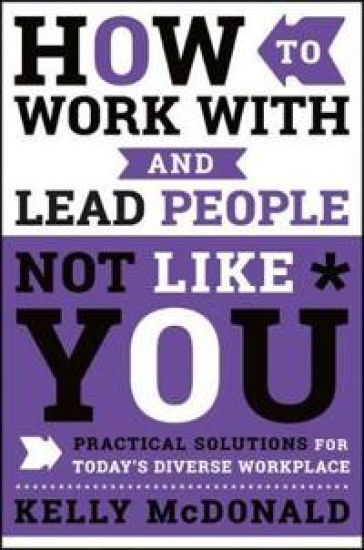
If you're in a diverse team, you know employee differences can cause miscommunication, lower trust, and hurt productivity. . . It doesn't have to be this way! The people you work with may be from a different generation, different culture, different race, different gender, or just a different philosophy toward work and life in general, but you need to work together toward a common goal. How to Work With and Lead People Not Like You explains how to dial down the differences, smooth out the friction, and play upon each other's strengths to become more effective, more productive, and less stressed. The keys are to find the common ground and identify hidden conflicts that are hurting productivity. Many people shudder at the prospect of working with diverse groups of people, but they can't voice their fear or anxiety. At work, it's not OK or politically correct to say, 'I'm uncomfortable with this person.' In fact, if you do say something along those lines, your job may be at risk. Your company may terminate you for not being on the 'diversity bandwagon.' So you keep quiet and you keep your thoughts to yourself. But deep down, you are uncomfortable. If you feel like this, it doesn't mean you're racist, sexist, ageist, homophobic, or any other negative label. It means you're struggling. You're struggling to understand people, cultures, or values that are unfamiliar to you. You're struggling to do your job with teammates and coworkers who may have very different viewpoints or different approaches to communication than you have. You're struggling to overcome differences and pull together to achieve high performance at work. Whether you're leading a diverse team, working in a challenging cross-cultural environment, or simply working with people who are 'not like you,' you need to be able to get along with everyone as a team, to get the work done. This book explains the skills you need to communicate, motivate, and inspire people to collaborate—even if they have very different values, lifestyles, or priorities. Learn key steps that bring cohesion to diversityHow to have a constructive conversation about working alongside people who are differentThe four magic words that make this easier and smooth over frictionWhat not to say—and whyLearn to set aside differences and get things doneLearn how to handle a racist, sexist, homophobic or offensive remark in a professional wayRetain your sanity when colleagues drive you crazy The changing demographics of today's workforce bring conflicting viewpoints, perspectives, approaches, skills, habits, and personalities together in one place; whether that leads to synergy or catastrophe is up to you. How to Work With and Lead People Not Like You helps you turn a hurdle into an advantage so you or your team can do more, achieve more, and enjoy the ride.


Jingle Bells: Tales of Holiday Spirit from Around the World (Expanded Edition))
Marissa Ames; Angelica Fyfe; Kelly McDonald
Createspace Independent Publishing Platform
2013
nidottu


Reach new and diverse customer groups and expand your market share The standard approach to marketing is to look for as many people as possible who fit one core customer profile. How to Market to People Not Like You challenges this traditional thinking about core customer bases, giving you a new approach to expand your customer base and your business. Arguing for focusing on customer values rather than demographics, How to Market to People Not Like You reveals how you can grow business and profits by targeting those who are different from your core audience, rather than those who share similarities. Reach unfamiliar new market segments with your productsLearn how to engage micro-segmented customer groupsAuthor's company was named one of the top ad agencies in the US by Ad Age Find out How to Market to People Not Like You, understand the needs and values that distinguish diverse customers, and reach their hearts, minds, and wallets.

The Third Agenda in U.S. Presidential Debates
Susan Buehler; Diana B. Carlin; Kelly McDonald; Tammy Vigil
Praeger Publishers Inc
2008
sidottu
Drawing on scholarly research and media critiques, The Third Agenda in Presidential Debates examines the most recent U. S. presidential debates from the perspective of television viewers who watched the encounters first hand. Through a national program—DebateWatch—tens of thousands of viewers had an opportunity to provide feedback to the debate sponsors, the campaigns, and the media following the 1996, 2000, and 2004 presidential debates. As a result, thousands of groups met after each debate to discuss what they liked and didn't like about a particular candidate, what they learned, and what they still needed to know about the issues presented before them. These focus groups, along with various surveys and emails, allowed viewers to lay out a concise third agenda for the debates: the public's, one in which comparisons could be drawn between their own interests and that of the media and the candidates themselves. Besides clearly mapping out the important aspects the public looks for when watching a debate, the authors demonstrate how citizen participation challenges candidates and their issues. In addition, the authors offer predictions for future debates and how new generations will choose to participate. Along with 14 analytical chapters, this work contains four detailed appendices, several tables, and an index.