Kirjojen hintavertailu – 12 859 818 kirjaa ja 27 kauppaa

Kirjailija

Kenneth Osgood

Kirjat ja teokset yhdessä paikassa: 3 kirjaa, julkaisuja vuosilta 2006–2011, suosituimpiin kuuluu Total Cold War. Vertaile teosten hintoja ja tarkista saatavuus suomalaisista kirjakaupoista.

3 kirjaa

Kirjojen julkaisuvuodet: 2006–2011.

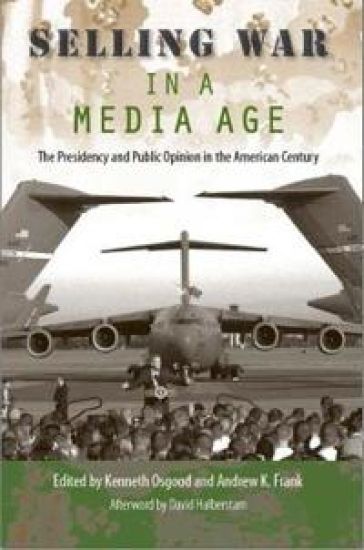
Selling War in a Media Age

Selling War in a Media Age

Kenneth Osgood; Andrew K. Frank; David Halberstam

University Press of Florida
2011
nidottu
George W. Bush’s “Mission Accomplished” banner in 2003 and the misleading linkages of Saddam Hussein to the 9/11 terrorist attacks awoke many Americans to the techniques used by the White House to put the country on a war footing. Yet Bush was simply following in the footsteps of his predecessors, as the essays in this standout volume reveal in illuminating detail. Written in a lively and accessible style, Selling War in a Media Age is a fascinating, thought-provoking, must-read volume that reveals the often-brutal ways that the goal of influencing public opinion has shaped how American presidents have approached the most momentous duty of their office: waging war.
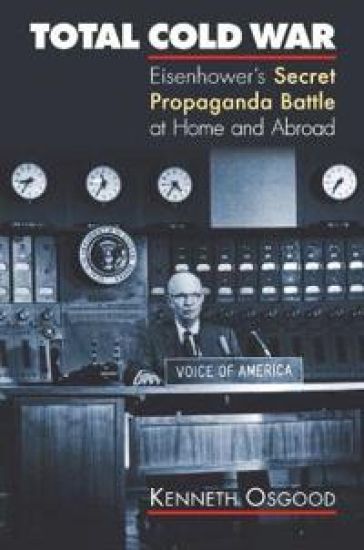
Total Cold War

Total Cold War

Kenneth Osgood

University Press of Kansas
2006
nidottu
When President Dwight Eisenhower spoke of waging "total cold war," he was proposing nothing less than a global, all-embracing battle for hearts and minds. His wide-ranging propaganda campaign challenged world communism at every turn and left a lasting mark on the American psyche. Kenneth Osgood now chronicles the secret psychological warfare programs America developed at the height of the Cold War. These programs—which were often indistinguishable from CIA covert operations—went well beyond campaigns to foment unrest behind the Iron Curtain. The effort was global: U. S. propaganda campaigns targeted virtually every country in the free world. Total Cold War also shows that Eisenhower waged his propaganda war not just abroad, but also at home. U. S. psychological warfare programs blurred the lines between foreign and domestic propaganda with campaigns that both targeted the American people and enlisted them as active participants in global contest for public opinion. Osgood focuses on major campaigns such as Atoms for Peace, People-to-People, and cultural exchange programs. Drawing on recently declassified documents that record U. S. psychological operations in some three dozen countries, he tells how U. S. propaganda agencies presented everyday life in America to the world: its citizens living full, happy lives in a classless society where economic bounty was shared by all. Osgood further investigates the ways in which superpower disarmament negotiations were used as propaganda maneuvers in the battle for international public opinion. He also reexamines the early years of the space race, focusing especially on the challenge to American propagandists posed by the Soviet launch of Sputnik. Perhaps most telling, Osgood takes a new look at President Eisenhower's leadership. Believing that psychological warfare was a potent weapon in America's arsenal, Ike appears in these pages not as a disinterested figurehead, as he's often been portrayed, but as an activist president who left a profound mark on national security affairs. Osgood's distinctive interpretation places Cold War propaganda campaigns in the context of an international arena drastically changed by the communications revolution and the age of mass politics and total war. It provides a new perspective on the conduct of public diplomacy, even as Americans today continue to grapple with the challenges of winning other hearts and minds in another global struggle.

Total Cold War

Total Cold War

Kenneth Osgood

University Press of Kansas
2006
sidottu
When President Dwight Eisenhower spoke of waging ""total cold war,"" he was proposing nothing less than a global, all-embracing battle for hearts and minds. His wide-ranging propaganda campaign challenged world communism at every turn and left a lasting mark on the American psyche. Kenneth Osgood now chronicles the secret psychological warfare programs America developed at the height of the Cold War. These programs - which were often indistinguishable from CIA covert operations - went well beyond campaigns to foment unrest behind the Iron Curtain. The effort was global: U. S. propaganda campaigns targeted virtually every country in the free world. ""Total Cold War"" also shows that Eisenhower waged his propaganda war not just abroad, but also at home. U. S. psychological warfare programs blurred the lines between foreign and domestic propaganda with campaigns that both targeted the American people and enlisted them as active participants in global contest for public opinion. Osgood focuses on major campaigns such as Atoms for Peace, People-to-People, and cultural exchange programs. Drawing on recently declassified documents that record U. S. psychological operations in some three dozen countries, he tells how U. S. propaganda agencies presented everyday life in America to the world: its citizens living full, happy lives in a classless society where economic bounty was shared by all. Osgood further investigates the ways in which superpower disarmament negotiations were used as propaganda maneuvers in the battle for international public opinion. He also reexamines the early years of the space race, focusing especially on the challenge to American propagandists posed by the Soviet launch of Sputnik. Perhaps most telling, Osgood takes a new look at President Eisenhower's leadership. Believing that psychological warfare was a potent weapon in America's arsenal, Ike appears in these pages not as a disinterested figurehead, as he's often been portrayed, but as an activist president who left a profound mark on national security affairs. Osgood's distinctive interpretation places Cold War propaganda campaigns in the context of an international arena drastically changed by the communications revolution and the age of mass politics and total war. It provides a new perspective on the conduct of public diplomacy, even as Americans today continue to grapple with the challenges of winning other hearts and minds in another global struggle.