Kirjojen hintavertailu – 12 903 725 kirjaa ja 27 kauppaa

Kirjailija

Keti Chukhrov

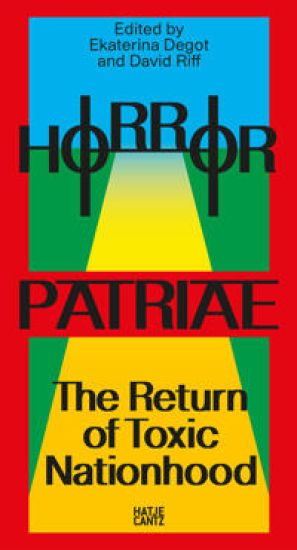
Kirjat ja teokset yhdessä paikassa: 3 kirjaa, julkaisuja vuosilta 2020–2025, suosituimpiin kuuluu Horror Patriae: The Return of Toxic Nationhood. Vertaile teosten hintoja ja tarkista saatavuus suomalaisista kirjakaupoista.

3 kirjaa

Kirjojen julkaisuvuodet: 2020–2025.

Practicing the Good

Practicing the Good

Keti Chukhrov

University of Minnesota Press
2020
sidottu
A philosophical consideration of Soviet Socialism that reveals the hidden desire for capitalism in contemporary anticapitalist discourse and theory This book, a philosophical consideration of Soviet socialism, is not meant simply to revisit the communist past; its aim, rather, is to witness certain zones where capitalism’s domination is resisted-the zones of countercapitalist critique, civil society agencies, and theoretical provisions of emancipation or progress-and to inquire to what extent those zones are in fact permeated by unconscious capitalism and thus unwittingly affirm the capitalist condition. By means of the philosophical and politico-economical consideration of Soviet socialism of the 1960 and 1970s, this book manages to reveal the hidden desire for capitalism in contemporaneous anticapitalist discourse and theory. The research is marked by a broad cross-disciplinary approach based on political economy, philosophy, art theory, and cultural theory that redefines old Cold War and Slavic studies’ views of the post-Stalinist years, as well as challenges the interpretations of this period of historical socialism in Western Marxist thought.

Practicing the Good

Practicing the Good

Keti Chukhrov

University of Minnesota Press
2020
pokkari
A philosophical consideration of Soviet Socialism that reveals the hidden desire for capitalism in contemporary anticapitalist discourse and theory This book, a philosophical consideration of Soviet socialism, is not meant simply to revisit the communist past; its aim, rather, is to witness certain zones where capitalism’s domination is resisted-the zones of countercapitalist critique, civil society agencies, and theoretical provisions of emancipation or progress-and to inquire to what extent those zones are in fact permeated by unconscious capitalism and thus unwittingly affirm the capitalist condition. By means of the philosophical and politico-economical consideration of Soviet socialism of the 1960 and 1970s, this book manages to reveal the hidden desire for capitalism in contemporaneous anticapitalist discourse and theory. The research is marked by a broad cross-disciplinary approach based on political economy, philosophy, art theory, and cultural theory that redefines old Cold War and Slavic studies’ views of the post-Stalinist years, as well as challenges the interpretations of this period of historical socialism in Western Marxist thought.