

Kirjailija
Kevin Mclaughlin
Kirjat ja teokset yhdessä paikassa: 47 kirjaa, julkaisuja vuosilta 1995–2026, suosituimpiin kuuluu By Darkness Revealed. Vertaile teosten hintoja ja tarkista saatavuus suomalaisista kirjakaupoista.
47 kirjaa
Kirjojen julkaisuvuodet: 1995–2026.

Tervetuloa Pohjoismaiden suurimpaan verkkokirjakauppaan! Adlibris kannattaa sananvapautta, ja haluamme edistää kirjallisuuden ja tiedon saatavuutta.


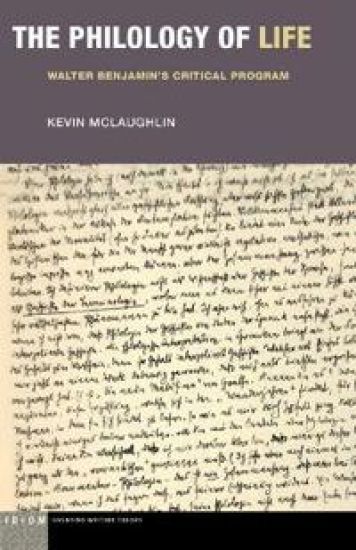
The Philology of Life retraces the outlines of the philological project developed by Walter Benjamin in his early essays on Hölderlin, the Romantics, and Goethe. This philological program, McLaughlin shows, provides the methodological key to Benjamin's work as a whole. According to Benjamin, German literary history in the period roughly following the first World War was part of a wider "crisis of historical experience"—a life crisis to which Lebensphilosophie (philosophy of life) had instructively but insufficiently responded. Benjamin's literary critical struggle during these years consisted in developing a philology of literary historical experience and of life that is rooted in an encounter with a written image. The fundamental importance of this "philological" method in Benjamin's work seems not to have been recognized by his contemporary readers, including Theodor Adorno who considered the approach to be lacking in dialectical rigor. This facet of Benjamin's work was also elided in the postwar publications of his writings, both in German and English. In recent decades, the publication of a wider range of Benjamin's writings has made it possible to retrace the outlines of a distinctive philological project that starts to develop in his early literary criticism and that extends into the late studies of Baudelaire and Paris. By bringing this innovative method to light this study proposes "the philology of life" as the key to the critical program of one of the most influential intellectual figures in the humanities.
The Philology of Life retraces the outlines of the philological project developed by Walter Benjamin in his early essays on Hölderlin, the Romantics, and Goethe. This philological program, McLaughlin shows, provides the methodological key to Benjamin's work as a whole. According to Benjamin, German literary history in the period roughly following the first World War was part of a wider "crisis of historical experience"—a life crisis to which Lebensphilosophie (philosophy of life) had instructively but insufficiently responded. Benjamin's literary critical struggle during these years consisted in developing a philology of literary historical experience and of life that is rooted in an encounter with a written image. The fundamental importance of this "philological" method in Benjamin's work seems not to have been recognized by his contemporary readers, including Theodor Adorno who considered the approach to be lacking in dialectical rigor. This facet of Benjamin's work was also elided in the postwar publications of his writings, both in German and English. In recent decades, the publication of a wider range of Benjamin's writings has made it possible to retrace the outlines of a distinctive philological project that starts to develop in his early literary criticism and that extends into the late studies of Baudelaire and Paris. By bringing this innovative method to light this study proposes "the philology of life" as the key to the critical program of one of the most influential intellectual figures in the humanities.













Cast out by dragonkind, threatened by his own family... A dragon with nothing left to lose can be a dangerous thing. Unless, of course, that dragon is Galen Stormwing. He's never been very dangerous. He was a failure at school, a failure at gaining powers, and a failure at keeping them. Now his own parents have told him he needs to do something to impress them within three days, or they'll have him executed as an embarrassment to the clan. He does the only sensible thing he can think of. He runs for it. Survival trumps pride, as far as Galen is concerned. Most dragons won't go to Canada, realm of the dwarf people, so that's where he must go. But he's not the only one fighting for survival. Vala is a young dwarf in school to become an engineer when she begins exhibiting magical powers. There's never been a dwarf mage before, and not all her people are thrilled about it. In fact, some of them would rather see Vala dead than allow their race to become polluted in that manner. Both of them are vulnerable, lost, alone - and hunted. But together, they might just have what they need to save each other

After millennia of slumber, the goddess-dragon named Tiamat has returned to Earth. Her first move is to consolidate her power by taking down the Dragon Council. Her next?" Well, complete world domination seems like it's on the menu. Kylara barely survived her first encounter with Tiamat. Only thanks to her friends and allies did she escape at all. She'd rather do just about anything than face this foe a second time. But she's the only one who's ever stood against the goddess and lived to talk about it. She's the only being with the raw spectrum of abilities to have a chance of doing it again. If she fails, she and her friends are doomed. Which means losing is not an option. The dragon's daughter is going to war, and heaven help any gods or goddesses that get in her way Buy now to continue the story of The Dragon's Daughter