Kirjojen hintavertailu – 12 903 725 kirjaa ja 27 kauppaa

Kirjailija

Kevin R Pawlak

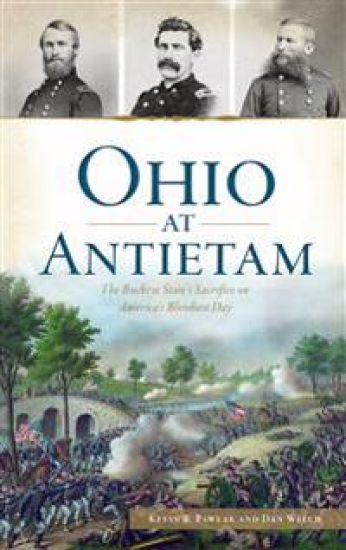
Kirjat ja teokset yhdessä paikassa: 7 kirjaa, julkaisuja vuosilta 2019–2024, suosituimpiin kuuluu Ohio at Antietam. Vertaile teosten hintoja ja tarkista saatavuus suomalaisista kirjakaupoista.

Nimi esiintyy myös muodoissa: Kevin R. Pawlak

7 kirjaa

Kirjojen julkaisuvuodet: 2019–2024.

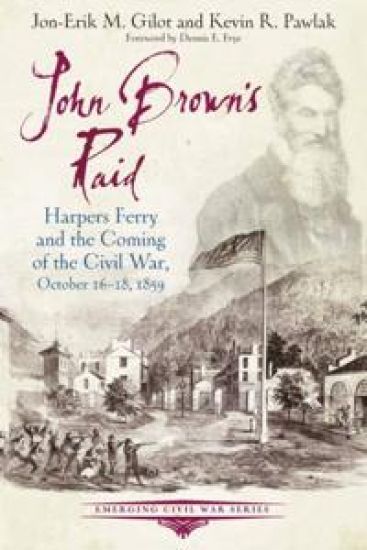
John Brown's Raid

John Brown's Raid

Jon-Erik M Gilot; Kevin R Pawlak

Savas Beatie
2024
nidottu
The first shot of the American Civil War was not fired on April 12, 1861, in Charleston, South Carolina, but instead came on October 16, 1859, in Harpers Ferry, Virginia - or so claimed former slave turned abolitionist Frederick Douglass. The shot came like a meteor in the dark. John Brown, the infamous fighter on the Kansas plains and detester of slavery, led a band of nineteen men on a desperate nighttime raid that targeted the Federal arsenal at Harpers Ferry. There, they planned to begin a war to end slavery in the United States. But after 36 tumultuous hours, John Brown's Raid failed, and Brown himself became a prisoner of the state of Virginia. Brown's subsequent trial further divided north and south on the issue of slavery as Brown justified his violent actions to a national audience forced to choose sides. Ultimately, Southerners cheered Brown's death at the gallows while Northerners observed it with reverence. The nation's dividing line had been drawn. Herman Melville and Walt Whitman extolled Brown as a "meteor" of the war. Roughly one year after Brown and his men attacked slavery in Virginia, the nation split apart, fueled by Brown's fiery actions. John Brown's Raid tells the story of the first shots that led to disunion. Richly filled with maps and images, it includes a driving and walking tour of sites related to Brown's Raid so visitors today can walk in the footsteps of America's meteor.

Such a Clash of Arms

Such a Clash of Arms

Kevin R Pawlak

Casemate Publishers
2023
nidottu
By the late summer of 1862, it appeared as though the United States would be permanently split in two, and by the beginning of September, General Robert E. Lee's Army of Northern Virginia was on the doorstep of Washington, D. C. Panicked and defeated Federal soldiers huddled behind the capital’s defenses. Rather than attacking the city, Lee turned his attention north into Maryland, seeking a decisive battlefield victory to influence public opinion at home and diplomatic opinion overseas. Major General George B. McClellan led the reorganised Army of the Potomac into the state to meet Lee. Over a span of 18 days, the two armies fought four significant battles, including the climactic engagement along Antietam Creek outside Sharpsburg on September 17, 1862. The battle there still holds the distinction as the bloodiest single day in American military history. Forced from Maryland, Lee withdrew into Virginia, leaving President Abraham Lincoln free to follow up this strategic victory with the preliminary Emancipation Proclamation, a measure that changed the nature of the American Civil War. Copious illustrations and maps paired with a detailed text, this account of the Maryland campaign will have wide appeal.
Antietam National Battlefield

Antietam National Battlefield

Kevin R. Pawlak

Arcadia Publishing (SC)
2019
irtolehti
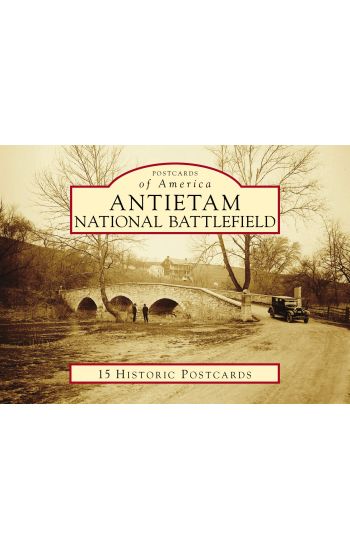
The historic Antietam National Battlefield is documented and remembered in this collection of mailable vintage-photograph postcards. Approximately 110,000 soldiers of the Union and Confederate armies fought along the banks of Antietam Creek in the bloodiest single-day battle in American history. In 12 hours of fighting, approximately 23,000 men fell, either killed, wounded, or missing, forever scarring the landscape around the town of Sharpsburg. Established as the Antietam Battlefield Site in 1890, Antietam National Battlefield became a National Park Service landmark in 1933. The park grew from 33 acres in the 1890s to encompassing over 3,000 acres today. Some of the Civil War's most recognizable landmarks now sit within its boundaries, including Dunker Church, Bloody Lane, and Burnside Bridge. The events that occurred across the fields and woodlots around Sharpsburg and along Antietam Creek bring hundreds of thousands of visitors to Antietam National Battlefield every year.
Antietam National Battlefield

Antietam National Battlefield

Kevin R. Pawlak

Arcadia Publishing (SC)
2019
nidottu
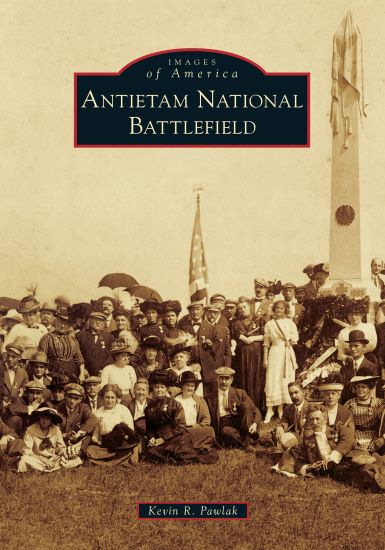
Approximately 110,000 soldiers of the Union and Confederate armies fought along the banks of Antietam Creek in the bloodiest single-day battle in American history. In 12 hours of fighting, approximately 23,000 men fell, either killed, wounded, or missing, forever scarring the landscape around the town of Sharpsburg. Established as the Antietam Battlefield Site in 1890, Antietam National Battlefield became a National Park Service landmark in 1933. The park grew from 33 acres in the 1890s to encompassing over 3,000 acres today. Some of the Civil War's most recognizable landmarks now sit within its boundaries, including Dunker Church, Bloody Lane, and Burnside Bridge. The events that occurred across the fields and woodlots around Sharpsburg and along Antietam Creek bring hundreds of thousands of visitors to Antietam National Battlefield every year. Kevin Pawlak serves as a certified battlefield guide at Antietam National Battlefield. Antietam National Battlefield is filled with historic photographs of the battlefield and its development from the collections of Antietam National Battlefield Library, the Library of Congress, the New York Public Library, the United States Army Heritage and Education Center, private collections, and more.
Antietam National Battlefield

Antietam National Battlefield

Kevin R. Pawlak

Arcadia Publishing Library Editions
2019
sidottu
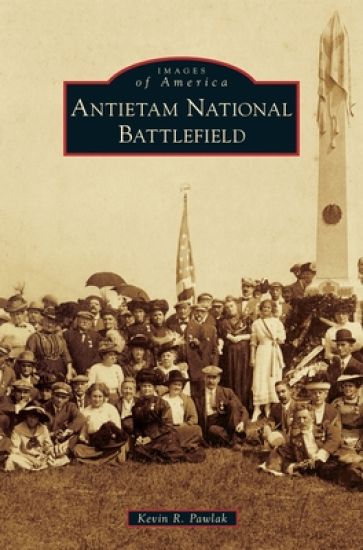
Approximately 110,000 soldiers of the Union and Confederate armies fought along the banks of Antietam Creek in the bloodiest single-day battle in American history. In 12 hours of fighting, approximately 23,000 men fell, either killed, wounded, or missing, forever scarring the landscape around the town of Sharpsburg. Established as the Antietam Battlefield Site in 1890, Antietam National Battlefield became a National Park Service landmark in 1933. The park grew from 33 acres in the 1890s to encompassing over 3,000 acres today. Some of the Civil War's most recognizable landmarks now sit within its boundaries, including Dunker Church, Bloody Lane, and Burnside Bridge. The events that occurred across the fields and woodlots around Sharpsburg and along Antietam Creek bring hundreds of thousands of visitors to Antietam National Battlefield every year.? Kevin Pawlak serves as a certified battlefield guide at Antietam National Battlefield. Antietam National Battlefield is filled with historic photographs of the battlefield and its development from the collections of Antietam National Battlefield Library, the Library of Congress, the New York Public Library, the United States Army Heritage and Education Center, private collections, and more.