

Kirjailija
Kirk Lougheed
Kirjat ja teokset yhdessä paikassa: 13 kirjaa, julkaisuja vuosilta 2020–2026, suosituimpiin kuuluu Christian Anti-Natalism. Vertaile teosten hintoja ja tarkista saatavuus suomalaisista kirjakaupoista.
13 kirjaa
Kirjojen julkaisuvuodet: 2020–2026.

A Moral Theory of Liveliness: A Secular Interpretation of African Life Force African life force or vitalism is the view that literally everything that exists, including both animate and inanimate objects, are imbued with an imperceptible energy that comes from God. This book begins by mining current work on life force, which tends to be descriptive, in order to identify its normative implications. Kirk Lougheed then shows that there is a plausible secular description of life force, that he calls liveliness. This can be understood as a force, not substance, and is associated with health, creativity, reproduction, courage, etc. A lack or decrease of liveliness is represented by disease, weakness, destruction, etc. He appeals to liveliness in order to develop a normative theory with an African pedigree that does not rely on controversial metaphysical assumptions. Lougheed demonstrates how this theory can account for a wide variety of commonly held both African and global moral intuitions. In working out the implications of liveliness as a moral theory, Lougheed compares it extensively to utilitarianism before showing how it better handles some problems for two prominent African normative theories grounded in personhood and harmony. Along the way, he touches on the theory's implications for human dignity or rights, in addition to what it says about the value of non-human animals and the environment. To conclude he explores possible metaethical grounds of both life force and liveliness. Lougheed believes liveliness as a moral theory should be considered as a plausible contender amongst the current African normative theories, in addition to being considered on a more global scale.
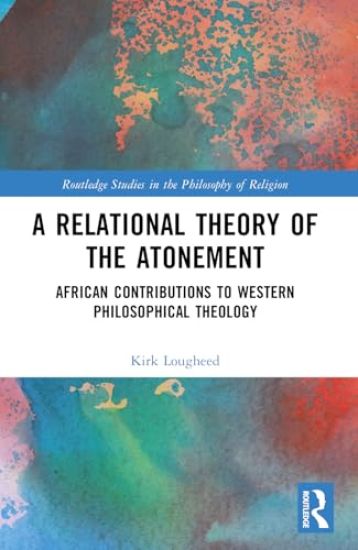
While the atonement is a central component of Christianity, there is little agreement in the tradition about how it should be understood. This book develops and defends a novel relational theory of atonement inspired by African relational ethics. This book brings important themes from African ethics into conversation with the contemporary philosophical literature on the atonement. The author employs an African relational ethic that says an act is right inasmuch as it is friendly where friendliness is understood as identifying with others and expressing solidarity with them. This relational ethic sheds new light on the problem of sin, by emphasising the relational disharmony it produces between God and humans. When applied to the Atonement, the passion and death of Christ can be understood as an ultimate act of friendliness in reconciling humanity to God. The author also explores questions about the nature of justice, forgiveness, and reconciliation. He shows how constructive punishment ought to be included in genuine forms of reconciliation and as such how punishment can be part of his Relational Theory of the Atonement. The last part of the book develops alternative theories of the atonement based on two important African normative theories located in personhood and in life force. Overall, the book makes the case that the Relational Theory of the Atonement should be considered as a serious competitor to longer-established Western theories. A Relational Theory of the Atonement will appeal to scholars and advanced students interested in philosophy of religion, philosophical theology, African philosophy, and comparative philosophy.
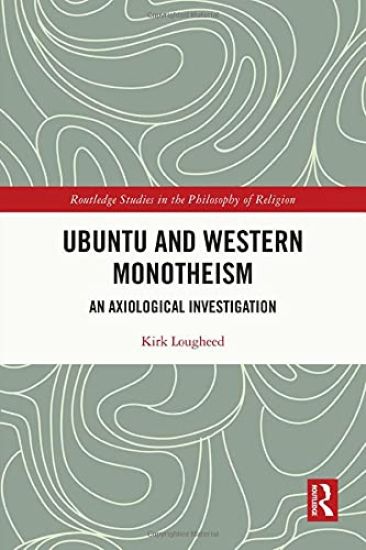
This book offers a unique comparative study of ubuntu, a dominant ethical theory in African philosophy, and western monotheism. It is the first book to bring ubuntu to bear on the axiology of theism debate in contemporary analytic philosophy of religion. A large motivating force behind this book is to explore the extent to which there is intersubjective ethical agreement and disagreement between ubuntu and Western worldviews like monotheism and naturalism. First, the author assesses the various arguments for anti-theism and pro-theism on the assumption that ubuntu is true. Ubuntu’s communitarian focus might be so different from the Western tradition that it completely changes how we evaluate theism and atheism. Second, the author assesses the advantages and disadvantages of the truth of ubuntu for the world. Third and finally, he assesses the axiological status of faith for both monotheism and ubuntu. Ubuntu and Western Monotheism will be of interest to scholars and advanced students specializing in philosophy of religion, African religion and philosophy, and religious ethics.
African Philosophy of Religion and Western Monotheism
Kirk Lougheed; Motsamai Molefe; Thaddeus Metz
Cambridge University Press
2024
sidottu
The Abrahamic faiths of Christianity, Judaism, and Islam are typically recognized as the world's major monotheistic religions. However, African Traditional Religion is, despite often including lesser spirits and gods, a monotheistic religion with numerous adherents in sub-Saharan Africa; it includes the idea of a single most powerful God responsible for the creation and sustenance of everything else. This Element focuses on drawing attention to this major world religion that has been much neglected by scholars around the globe, particularly those working in the West or Northern Hemisphere. It accomplishes this primarily by bringing it into conversation with topics in the Anglo-American philosophy of religion.
African Philosophy of Religion and Western Monotheism
Kirk Lougheed; Motsamai Molefe; Thaddeus Metz
Cambridge University Press
2024
pokkari
The Abrahamic faiths of Christianity, Judaism, and Islam are typically recognized as the world's major monotheistic religions. However, African Traditional Religion is, despite often including lesser spirits and gods, a monotheistic religion with numerous adherents in sub-Saharan Africa; it includes the idea of a single most powerful God responsible for the creation and sustenance of everything else. This Element focuses on drawing attention to this major world religion that has been much neglected by scholars around the globe, particularly those working in the West or Northern Hemisphere. It accomplishes this primarily by bringing it into conversation with topics in the Anglo-American philosophy of religion.
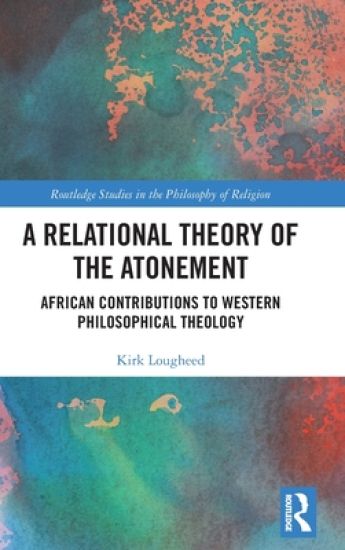
While the atonement is a central component of Christianity, there is little agreement in the tradition about how it should be understood. This book develops and defends a novel relational theory of atonement inspired by African relational ethics. This book brings important themes from African ethics into conversation with the contemporary philosophical literature on the atonement. The author employs an African relational ethic that says an act is right inasmuch as it is friendly where friendliness is understood as identifying with others and expressing solidarity with them. This relational ethic sheds new light on the problem of sin, by emphasising the relational disharmony it produces between God and humans. When applied to the Atonement, the passion and death of Christ can be understood as an ultimate act of friendliness in reconciling humanity to God. The author also explores questions about the nature of justice, forgiveness, and reconciliation. He shows how constructive punishment ought to be included in genuine forms of reconciliation and as such how punishment can be part of his Relational Theory of the Atonement. The last part of the book develops alternative theories of the atonement based on two important African normative theories located in personhood and in life force. Overall, the book makes the case that the Relational Theory of the Atonement should be considered as a serious competitor to longer-established Western theories. A Relational Theory of the Atonement will appeal to scholars and advanced students interested in philosophy of religion, philosophical theology, African philosophy, and comparative philosophy.

African Communitarianism and the Misanthropic Argument for Anti-Natalism
Kirk Lougheed
Springer International Publishing AG
2022
sidottu
Anti-natalism is the provocative view that it is either always or almost always all-things-considered wrong to procreate. Philanthropic anti-natalist arguments say that procreation is always impermissible because of the harm done to individuals who are brought into existence. Misanthropic arguments, on the other hand, hold that procreation is usually impermissible given the harm that individuals will do once brought into existence. The main purpose of this short monograph is to demonstrate that David Benatar’s misanthropic argument for anti-natalism ought to be endorsed by any version of African Communitarianism. Not only that, but there are also resources in the African philosophical tradition that offer unique support for the argument. Given the emphasis that indigenous African worldviews place on the importance of procreation and the immediate family unit this result is highly surprising. This book marks the first attempt to bring anti-natalism into conversation with contemporaryAfrican ethics.
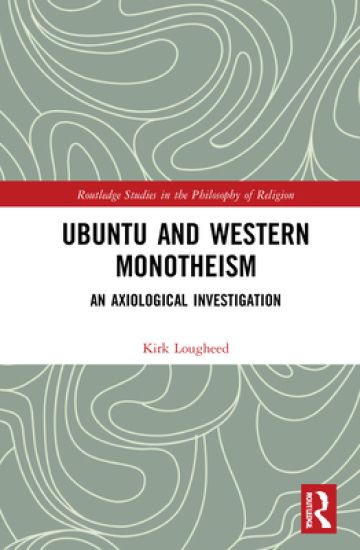
This book offers a unique comparative study of ubuntu, a dominant ethical theory in African philosophy, and western monotheism. It is the first book to bring ubuntu to bear on the axiology of theism debate in contemporary analytic philosophy of religion. A large motivating force behind this book is to explore the extent to which there is intersubjective ethical agreement and disagreement between ubuntu and Western worldviews like monotheism and naturalism. First, the author assesses the various arguments for anti-theism and pro-theism on the assumption that ubuntu is true. Ubuntu’s communitarian focus might be so different from the Western tradition that it completely changes how we evaluate theism and atheism. Second, the author assesses the advantages and disadvantages of the truth of ubuntu for the world. Third and finally, he assesses the axiological status of faith for both monotheism and ubuntu. Ubuntu and Western Monotheism will be of interest to scholars and advanced students specializing in philosophy of religion, African religion and philosophy, and religious ethics.
The Axiological Status of Theism and Other Worldviews
Kirk Lougheed
Springer Nature Switzerland AG
2021
nidottu
This book explores the value impact that theist and other worldviews have on our world and its inhabitants. Providing an extended defense of anti-theism - the view that God’s existence would (or does) actually make the world worse in certain respects - Lougheed explores God’s impact on a broad range of concepts including privacy, understanding, dignity, and sacrifice. The second half of the book is dedicated to the expansion of the current debate beyond monotheism and naturalism, providing an analysis of the axiological status of other worldviews such as pantheism, ultimism, and Buddhism. A lucid exploration of contemporary and relevant questions about the value impact of God’s existence, this book is an invaluable resource for scholars interested in axiological questions in the philosophy of religion.

This book presents an original discussion and analysis of epistemic peer disagreement. It reviews a wide range of cases from the literature, and extends the definition of epistemic peerhood with respect to the current one, to account for the actual variability found in real-world examples. The book offers a number of arguments supporting the variability in the nature and in the range of disagreements, and outlines the main benefits of disagreement among peers i.e. what the author calls the benefits to inquiry argument.
The Axiological Status of Theism and Other Worldviews
Kirk Lougheed
Springer Nature Switzerland AG
2020
sidottu
Halvin toimitettuna 68,60 €
This book explores the value impact that theist and other worldviews have on our world and its inhabitants. Providing an extended defense of anti-theism - the view that God’s existence would (or does) actually make the world worse in certain respects - Lougheed explores God’s impact on a broad range of concepts including privacy, understanding, dignity, and sacrifice. The second half of the book is dedicated to the expansion of the current debate beyond monotheism and naturalism, providing an analysis of the axiological status of other worldviews such as pantheism, ultimism, and Buddhism. A lucid exploration of contemporary and relevant questions about the value impact of God’s existence, this book is an invaluable resource for scholars interested in axiological questions in the philosophy of religion.

This book presents an original discussion and analysis of epistemic peer disagreement. It reviews a wide range of cases from the literature, and extends the definition of epistemic peerhood with respect to the current one, to account for the actual variability found in real-world examples. The book offers a number of arguments supporting the variability in the nature and in the range of disagreements, and outlines the main benefits of disagreement among peers i.e. what the author calls the benefits to inquiry argument.