Kirjojen hintavertailu – 12 859 827 kirjaa ja 27 kauppaa

Kirjailija

Klaus Issler

Kirjat ja teokset yhdessä paikassa: 8 kirjaa, julkaisuja vuosilta 2002–2021, suosituimpiin kuuluu How We Learn. Vertaile teosten hintoja ja tarkista saatavuus suomalaisista kirjakaupoista.

8 kirjaa

Kirjojen julkaisuvuodet: 2002–2021.

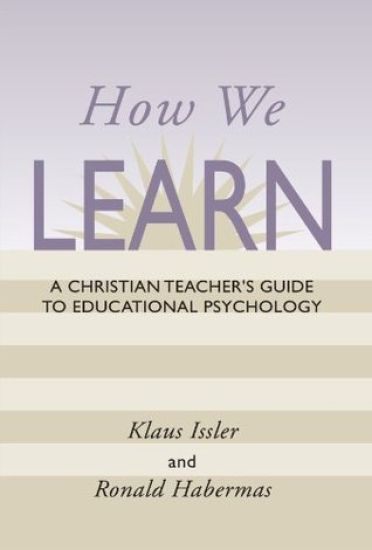
How We Learn

How We Learn

Klaus Issler; Ron Habermas

Wipf Stock Publishers
2002
pokkari
No one fully understands how learning works, but educational psychologists understand a great deal about what works. The collaborative team of Klaus Issler and Ronald Habermas has assembled an integration of theology and instructional theory in Teaching for Reconciliation: Foundations and Practice of Christian Educational Ministry. Now they expound on one aspect of educational theory/theology to help teachers choose the method that best reaches particular learners in a specific learning situation. How We Learn demystifies the principles of educational psychology. The book identifies: --means and barriers in learning--motivational factors that make learners receptive--learning's outcome in attitudes, spirituality, and behavior Application sections, special exercises and examples, plus dozens of figures and tables aid understanding of learning effectiveness, age-related development, individual learning style, special education, and other issues.
Zeit mit Gott verbringen

Zeit mit Gott verbringen

Klaus Issler

Booklocker.com
2021
pokkari
Wenn es darum geht, eine tiefe vertrauliche Beziehung zu Gott zu entwickeln, sind Leistungsf higkeit und Produktivit t nicht die L sung. Vielmehr m ssen wir Zeit mit Gott verbringen, uns einfach daran erfreuen, mit ihm zusammen zu sein. So w chst doch eigentlich jede Freundschaft. Ausgehend von der Frage, wie wir in unserem schnelllebigen Leben Raum f r Gott schaffen k nnen, betrachtet Klaus Issler sieben Charaktereigenschaften und begleitende Praktiken: Freundschaft, Demut, Vertrauen, Verpflichtung, Verst ndigung, Lehrzeit und Teilhaberschaft. Diese bilden zusammen ein Modell f r eine allumfassende christliche Spiritualit t, die von dauerhaftem Wert sein wird. Falsche feste Vorstellungen ber Gott und falsche Annahmen dar ber, wie Gott mit Gl ubigen umgeht, k nnen die Entwicklung einer intimeren Beziehung zu Gott behindern. Doch die Verhei ung ist sicher: "Sucht die N he Gottes, dann wird er euch nahe sein" (Jak 4:8). Gott m chte eine dynamische Freundschaftsbeziehung mit uns treten. Da Gott majest tisch und einzigartig ist, gibt es bestimmte grundlegende Schritte, um in unserem Leben als Gl ubige Raum f r Gott zu schaffen. Diese drei Kapitel in Teil 1 behandeln Themen, die eigentlich f r jede gute Beziehung charakteristisch sind: Bevorzugte Freundschaftsliebe (Kap. 2), Demut (Kap. 3), und ber die u eren (d.h. physischen) Erscheinungen hinausgehen, um sich mit der inneren Person zu verbinden (Kap. 4). Aber diese Dinge sind auch auf eine einzigartige Weise auf die Freundschaft mit Gott anwendbar. Um unsere Freundschaft mit Gott zu vertiefen, m ssen wir als Gl ubige unser Bild davon, wer Gott ist, immer weiter ausdehnen. Nachdem im Teil 1 Fragen der Bereitschaft besprochen wurden, geht es in Teil 2 darum, unsere Intimit t und das Gespr ch mit Gott zu erweitern. Manchmal verbirgt Gott absichtlich etwas von seiner Gegenwart (er ist teilweise verborgen), um uns nicht zu zwingen, auf ihn zu antworten, sondern um uns zu ermutigen, ihn zu suchen, weil wir es wollen-wie es enge Freunde tun (Kap. 5). Auch Gott bietet uns seine F hrung (Jak 1,5) in erster Linie durch sein verbindliches geschriebenes Wort, die Bibel, an. Zusammen mit diesem prim ren Mittel der g ttlichen F hrung kann Gott auch durch den Rat anderer und durch seine innere Stimme auch situationsspezifisch eine Anleitung f r Lebensentscheidungen geben (Kap. 6). Wir kennen nicht alle Gr nde, warum Gott Leiden zul sst, aber wir k nnen sicher sein, dass verschiedene gute Ergebnisse uns geh ren k nnen. F nf m gliche vorteilhafte Ergebnisse werden behandelt, wenn wir Gott die Nachfolge / Ausbildung unseres Lebens durch Leiden des Vaters nachgeben (Kap. 7). Schlie lich l dt Gott, der Vater, uns ein, zu beten, ihn zu bitten und zu sehen, wie sich die Dinge ndern. In Gottes gro em Plan ist Platz f r unsere Bitten (Kap. 8). Obwohl der Lesestil konversationell und oft pers nlich ist, basiert die Diskussion auf einer integrativen Untersuchung verschiedener Bereiche - Neues Testament, Theologie, philosophische Theologie und christliche Spiritualit t (es gibt auch viele Seiten mit Endnoten). Jedes Kapitel endet mit einem Paar relevanter spiritueller Praktiken als Vorschl ge, um Zeit mit Gott zu verbringen.

Living into the Life of Jesus

Living into the Life of Jesus

Klaus Issler

Readhowyouwant
2012
pokkari
Deriving insights from the life of Jesus in the Gospels, Klaus Issler uncovers the dynamics involved in truly becoming more Christlike. He shows how you can forge much deeper connections with Jesus. The result is a closer alignment between what you want to do as a follower of Jesus, what you actually do and who you are becoming in him.
Living into the Life of Jesus – The Formation of Christian Character

Living into the Life of Jesus – The Formation of Christian Character

Klaus Issler; Calvin Miller

Inter-Varsity Press,US
2012
nidottu
Why does merely understanding and trying hard to follow the example of Jesus often yield little progress--and even less joy and peace? In this foundational work of Christian formation, Klaus Issler derives insights from the life of Jesus in the Gospels to uncover the dynamics of becoming Christlike. You will discover how you can forge much deeper connections with Jesus so that his life begins to permeate your own character.
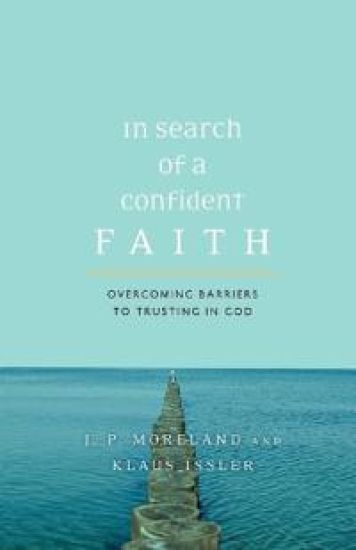
In Search of a Confident Faith

In Search of a Confident Faith

J. P. Moreland; Klaus Issler

INTERVARSITY PRESS
2008
nidottu
Many obstacles can get in the way of having a healthy Christian faith. Some of those obstacles are intellectual, but there are emotional, relational and experiential ones as well. Even theological problems can get in the way when the very nature of faith itself is misunderstood. J. P. Moreland and Klaus Issler team up in this book to clear away the barriers to faith by helping you gain a clear grasp of what faith is, identifying the various obstacles to it and providing guidance for growing in your trust in God through Jesus Christ.
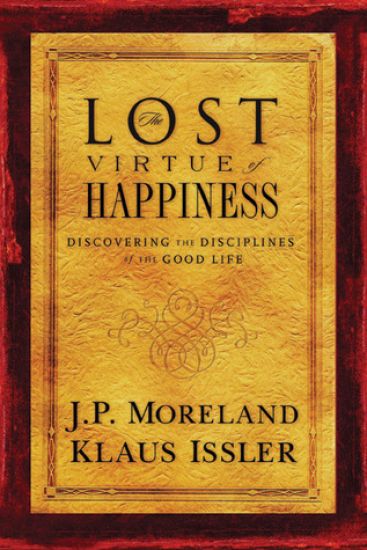
Lost Virtue of Happiness

Lost Virtue of Happiness

Klaus Issler

NAVPRESS
2006
nidottu
We are only happy when we pursue a transcendent purpose, something larger than ourselves. This pursuit involves a deeply meaningful relationship with God by committed participation in the spiritual disciplines. The Lost Virtue of Happiness takes a fresh, meaningful look at the spiritual disciplines, offering concrete examples of ways you can make them practical and life-transforming.