Kirjojen hintavertailu – 12 903 724 kirjaa ja 27 kauppaa

Kirjailija

Kong Chong Ho

Kirjat ja teokset yhdessä paikassa: 4 kirjaa, julkaisuja vuosilta 1998–2025, suosituimpiin kuuluu Neighbourhoods for the City in Pacific Asia. Vertaile teosten hintoja ja tarkista saatavuus suomalaisista kirjakaupoista.

Nimi esiintyy myös muodoissa: Kong-Chong Ho

4 kirjaa

Kirjojen julkaisuvuodet: 1998–2025.

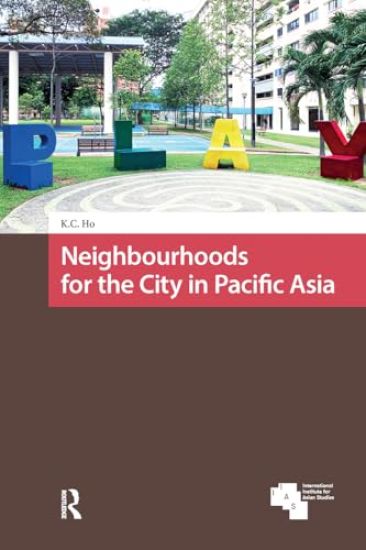
Neighbourhoods for the City in Pacific Asia

Neighbourhoods for the City in Pacific Asia

Kong Chong Ho

TAYLOR FRANCIS LTD
2025
nidottu
The largest cities in Pacific Asia are the engines of their countries' economic growth, seats of national and regional political power, and repositories of the nation's culture and heritage. The economic changes impacting large cities interact with political forces along with social cultural concerns, and in the process also impact the neighbourhoods of the city. Neighbourhoods for the City in Pacific Asia looks at local collective action and city government responses and its impact on the neighbourhood and the city. A multi-sited comparative approach is taken in studying local action in five important cities (Bangkok, Hong Kong, Seoul, Singapore and Taipei) in Pacific Asia. With site selection in these five cities guided by local experts, neighbourhood issues associated with the fieldsites are explored through interviews with a variety of stakeholders involved in neighourhood building and change. The book enables comparisons across a number of key issues confronting the city: heritage (Bangkok and Taipei), local community involved provisioning of amenities (Seoul and Singapore), placemaking versus place marketing (Bangkok and Hong Kong). Cities are becoming increasingly important as centers for politics, citizen engagement and governance. The collaborative efforts city governments establish with local communities become an important way to address the liveability of cities.
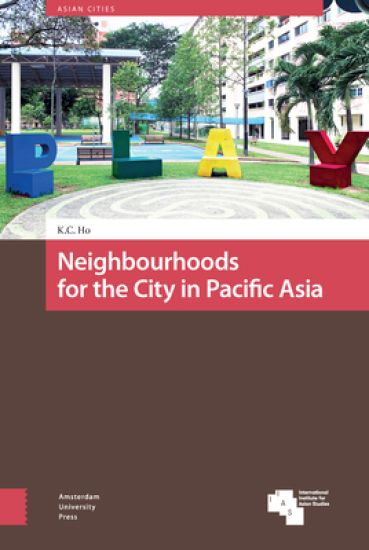
Neighbourhoods for the City in Pacific Asia

Neighbourhoods for the City in Pacific Asia

Kong Chong Ho

Amsterdam University Press
2019
sidottu
The largest cities in Pacific Asia are the engines of their countries’ economic growth, seats of national and regional political power, and repositories of the nation’s culture and heritage. The economic changes impacting large cities interact with political forces along with social cultural concerns, and in the process also impact the neighbourhoods of the city. Neighbourhoods for the City in Pacific Asia looks at local collective action and city government responses and its impact on the neighbourhood and the city. A multi-sited comparative approach is taken in studying local action in five important cities (Bangkok, Hong Kong, Seoul, Singapore and Taipei) in Pacific Asia. With site selection in these five cities guided by local experts, neighbourhood issues associated with the fieldsites are explored through interviews with a variety of stakeholders involved in neighourhood building and change. The book enables comparisons across a number of key issues confronting the city: heritage (Bangkok and Taipei), local community involved provisioning of amenities (Seoul and Singapore), placemaking versus place marketing (Bangkok and Hong Kong). Cities are becoming increasingly important as centers for politics, citizen engagement and governance. The collaborative efforts city governments establish with local communities become an important way to address the liveability of cities.
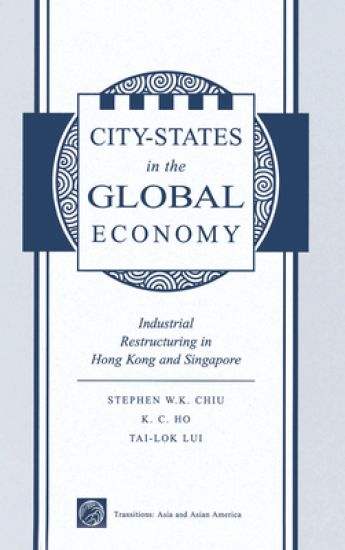
City States In The Global Economy

City States In The Global Economy

Stephen Wing-kai Chiu; Kong-Chong Ho; Tai-Lok Lui

Routledge
2019
sidottu
This is the first serious comparative study of two dynamic Asian city-states that are emerging as key regional?indeed global?cities. Providing both historical comparisons and analyses of contemporary issues, the authors consider the patterns, strategies, and consequences of industrial restructuring. They build their analysis around the interrelationships of four institutional spheres: the global economy, the state, the financial system, and the labor market. This leads to a unique emphasis on the distinctiveness of individual NICs, as opposed to much of the literature in the field, which tends to group these Asian dragons together as a single, undifferentiated case. The book addresses three basic sets of questions tied to industrial restructuring in Hong Kong and Singapore: First, what are the basic patterns of restructuring in the two economies? What corporate strategies have manufacturers used to restructure their operations? Are Hong Kong and Singapore diverging or utilizing the same restructuring strategies? Second, how should the process of restructuring in the two economies and the concomitant similarities or divergencies be explained? Third, what are the consequences of the restructuring process for the two economies? How are these processes shaped by the shared histories of Hong Kong and Singapore as colonial port cities, their current status as NICs ?squeezed? between industrialized western societies and the Third World, and their role as important regional cities in East and Southeast Asia?
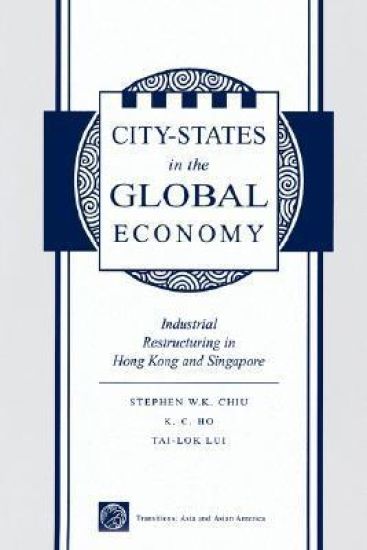
City States In The Global Economy

City States In The Global Economy

Stephen Wing-kai Chiu; Kong-Chong Ho; Tai-Lok Lui

Westview Press Inc
1998
nidottu
This is the first serious comparative study of two dynamic Asian city-states that are emerging as key regional?indeed global?cities. Providing both historical comparisons and analyses of contemporary issues, the authors consider the patterns, strategies, and consequences of industrial restructuring. They build their analysis around the interrelationships of four institutional spheres: the global economy, the state, the financial system, and the labor market. This leads to a unique emphasis on the distinctiveness of individual NICs, as opposed to much of the literature in the field, which tends to group these Asian dragons together as a single, undifferentiated case. The book addresses three basic sets of questions tied to industrial restructuring in Hong Kong and Singapore: First, what are the basic patterns of restructuring in the two economies? What corporate strategies have manufacturers used to restructure their operations? Are Hong Kong and Singapore diverging or utilizing the same restructuring strategies? Second, how should the process of restructuring in the two economies and the concomitant similarities or divergencies be explained? Third, what are the consequences of the restructuring process for the two economies? How are these processes shaped by the shared histories of Hong Kong and Singapore as colonial port cities, their current status as NICs ?squeezed? between industrialized western societies and the Third World, and their role as important regional cities in East and Southeast Asia?