Kirjojen hintavertailu – 12 859 828 kirjaa ja 27 kauppaa

Kirjailija

Kornelis Blok

Kirjat ja teokset yhdessä paikassa: 6 kirjaa, julkaisuja vuosilta 2004–2020, suosituimpiin kuuluu Sustainable Development and Innovation in the Energy Sector. Vertaile teosten hintoja ja tarkista saatavuus suomalaisista kirjakaupoista.

6 kirjaa

Kirjojen julkaisuvuodet: 2004–2020.

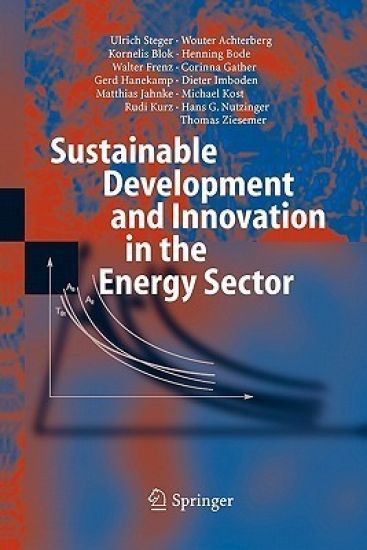
Sustainable Development and Innovation in the Energy Sector

Sustainable Development and Innovation in the Energy Sector

Ulrich Steger; Wouter Achterberg; Kornelis Blok; Henning Bode; Walter Frenz; Corinna Gather; Gerd Hanekamp; Dieter Imboden; Matthias Jahnke; Michael Kost; Rudi Kurz; Hans Gottfried Nutzinger; Thomas Ziesemer

Springer-Verlag Berlin and Heidelberg GmbH Co. K
2010
nidottu
Almost every energy scenario assumes an enormous growth in the demand for energy in the coming decades. Meanwhile, at international conferences and other venues, the primary concern is massive reduction of greenhouse gas emissions, especially of the CO2 produced by fossil-fuel energy consumption. Experts also point out the political risk of depending on petroleum and remind us of the fact that resources are not inexhaustible. This timely book explores: how these conflicting scenarios could be reconciled; how can we shape a more sustainable energy system from the existing one; and possible technological progress and innovations to enable a brighter future. It also addresses the reality that there exists no consensus on the extent to which innovations can really contribute to reconciling ever-growing energy consumption, availability of resources and the environment, and the structural demands on any energy system.
Sustainable Development and Innovation in the Energy Sector

Sustainable Development and Innovation in the Energy Sector

Ulrich Steger; Wouter Achterberg; Kornelis Blok; Henning Bode; Walter Frenz; Corinna Gather; Gerd Hanekamp; Dieter Imboden; Matthias Jahnke; Michael Kost; Rudi Kurz; Hans Gottfried Nutzinger; Thomas Ziesemer

Springer-Verlag Berlin and Heidelberg GmbH Co. K
2004
sidottu
Almost every energy scenario assumes an enormous growth in the demand for energy in the coming decades. Meanwhile, at international conferences and other venues, the primary concern is massive reduction of greenhouse gas emissions, especially of the CO2 produced by fossil-fuel energy consumption. Experts also point out the political risk of depending on petroleum and remind us of the fact that resources are not inexhaustible. This timely book explores: how these conflicting scenarios could be reconciled; how can we shape a more sustainable energy system from the existing one; and possible technological progress and innovations to enable a brighter future. It also addresses the reality that there exists no consensus on the extent to which innovations can really contribute to reconciling ever-growing energy consumption, availability of resources and the environment, and the structural demands on any energy system.

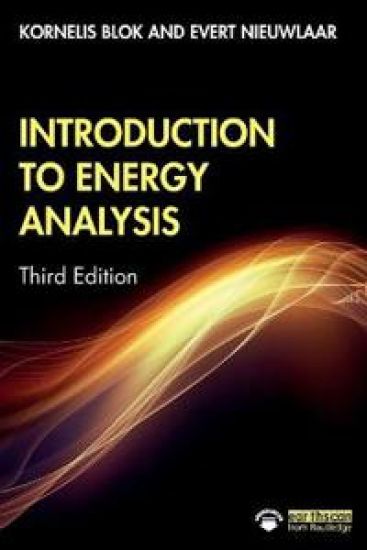
Introduction to Energy Analysis

Introduction to Energy Analysis

Kornelis Blok; Evert Nieuwlaar

Routledge
2020
sidottu
This textbook provides an introduction to energy analysis for those students who want to specialise in this challenging field. In comparison to other textbooks, this book provides a balanced treatment of complete energy systems, covering the demand side, the supply side, and the energy markets that connect these. The emphasis is very much on presenting a range of tools and methodologies that will help students find their way in analysing real world problems in energy systems. This new edition has been updated throughout and contains additional content on energy transitions and improvements in the treatment of several energy systems analysis approaches. Featuring learning objectives, further readings and practical exercises in each chapter, Introduction to Energy Analysis will be essential reading for upper-level undergraduate and postgraduate students with a background in the natural sciences and engineering. This book may also be useful for professionals dealing with energy issues, as a first introduction into the field.
Introduction to Energy Analysis

Introduction to Energy Analysis

Kornelis Blok; Evert Nieuwlaar

Routledge
2020
nidottu

Halvin toimitettuna 58,10 €

This textbook provides an introduction to energy analysis for those students who want to specialise in this challenging field. In comparison to other textbooks, this book provides a balanced treatment of complete energy systems, covering the demand side, the supply side, and the energy markets that connect these. The emphasis is very much on presenting a range of tools and methodologies that will help students find their way in analysing real world problems in energy systems. This new edition has been updated throughout and contains additional content on energy transitions and improvements in the treatment of several energy systems analysis approaches. Featuring learning objectives, further readings and practical exercises in each chapter, Introduction to Energy Analysis will be essential reading for upper-level undergraduate and postgraduate students with a background in the natural sciences and engineering. This book may also be useful for professionals dealing with energy issues, as a first introduction into the field.
The Effectiveness of Policy Instruments for Energy-Efficiency Improvement in Firms

The Effectiveness of Policy Instruments for Energy-Efficiency Improvement in Firms

Kornelis Blok; Henri L.F. de Groot; Esther E.M. Luiten; Martijn G. Rietbergen

Springer
2010
nidottu
Improvement of energy efficiency is one of the important options for reducing greenhouse gas emissions. According to the Third Assessment Report of the Intergovernmental Panel on Climate Change, hundreds of technologies for improving the end-use energy efficiency make up more than half of the global potential for greenhouse gas emission reduction in the short and medium term (2010 -2020). (IPCC, 2001; see also WEA, 2000). An important next question is how these options can actually be deployed. More specifically, one may ask what role governments can play by using policy instruments to promote the deployment of energy efficient technologies. In this introductory Chapter, we will first set out the aim of the research described in this book. Then we will discuss the various policy instruments that may playa role in energy-efficiency improvement. Next the various aspects important for characterising policy instruments will be discussed and the various disciplinary approaches are listed. Finally, the outline of the complete book will be given.
The Effectiveness of Policy Instruments for Energy-Efficiency Improvement in Firms

The Effectiveness of Policy Instruments for Energy-Efficiency Improvement in Firms

Kornelis Blok; Henri L.F. de Groot; Esther E.M. Luiten; Martijn G. Rietbergen

Springer-Verlag New York Inc.
2004
sidottu
Improvement of energy efficiency is one of the important options for reducing greenhouse gas emissions. According to the Third Assessment Report of the Intergovernmental Panel on Climate Change, hundreds of technologies for improving the end-use energy efficiency make up more than half of the global potential for greenhouse gas emission reduction in the short and medium term (2010 -2020). (IPCC, 2001; see also WEA, 2000). An important next question is how these options can actually be deployed. More specifically, one may ask what role governments can play by using policy instruments to promote the deployment of energy efficient technologies. In this introductory Chapter, we will first set out the aim of the research described in this book. Then we will discuss the various policy instruments that may playa role in energy-efficiency improvement. Next the various aspects important for characterising policy instruments will be discussed and the various disciplinary approaches are listed. Finally, the outline of the complete book will be given.