Kirjojen hintavertailu – 12 903 725 kirjaa ja 27 kauppaa

Kirjailija

Kosta Kafarakis

Kirjat ja teokset yhdessä paikassa: 6 kirjaa, julkaisuja vuosilta 2015–2018, suosituimpiin kuuluu Thrace: The History of the Ancient World's Link Between East and West. Vertaile teosten hintoja ja tarkista saatavuus suomalaisista kirjakaupoista.

6 kirjaa

Kirjojen julkaisuvuodet: 2015–2018.

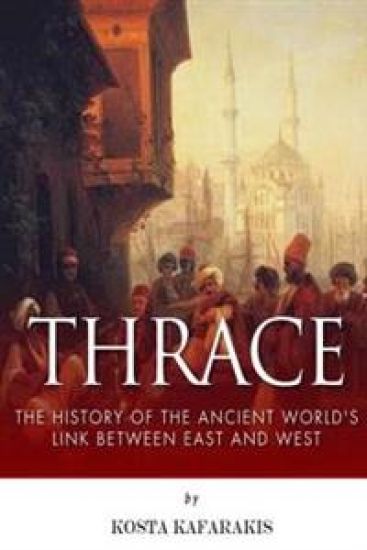
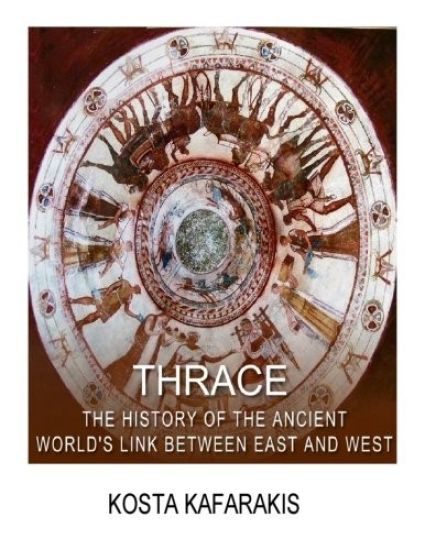
Thrace: The History of the Ancient World's Link Between East and West

Thrace: The History of the Ancient World's Link Between East and West

Kosta Kafarakis

Createspace Independent Publishing Platform
2018
nidottu
*Includes pictures *Includes a bibliography for further reading *Includes a table of contents By the 7th century BCE, Thrace was experiencing the migration of Cimmerians and Scythians. The result was that the northern Black Sea Scythians developed first on the territory of Byzantium, and trade and industrial-colonization stretched from the Golden Horn to the Sea of Azov and the lower Don region. In addition, the Sarmatians and Getae on the lower Don were also involved in a profitable trade with this area. The continuing economic and political ties with the Don region and the Getae, with trade contacts reaching the Middle Don and the Southwestern Urals, even linked Byzantium with Russia prior to Constantine. From 580 to 300 BCE, Ionian colonization of the Bosporus gave rise to a number of systems that created powerful regimes to protect their strategic assets. Spartan colonists against the Scythian state from the Dniper to the Dardanelles also created a violent combination that almost constantly placed the region in chaos. At the same time, the region helped transmit Greek culture to Central Asia and southern Russia. During the last three centuries BCE, the region focused on trade with the new masters of the steppes, the Sarmatians living in Asiatic Scythia on its border with the European Don area. The trade network near the Don region in the beginning of the 3rd century BCE was marked by the city of Tanais. It was not until the 1st century BCE that the region was firmly part of the Roman Empire, and the Romans' influence also ultimately led to the spread of Judaism and Christianity. Thrace: The History of the Ancient World's Link Between East and West analyzes the turbulent history of the region in antiquity. Along with pictures of important people, places, and events, you will learn about Ancient Thrace like never before, in no time at all.
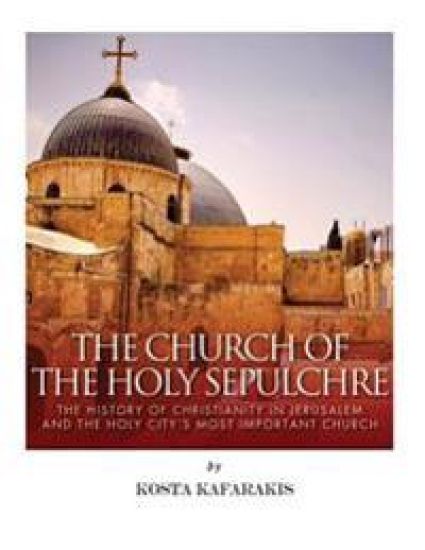
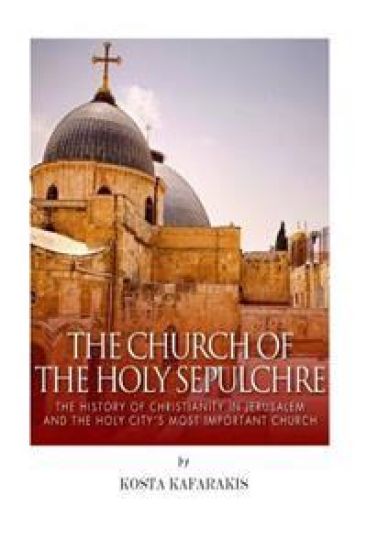
The Church of the Holy Sepulchre: The History of Christianity in Jerusalem and the Holy City's Most Important Church
*Includes pictures of the church *Includes a bibliography for further reading *Includes a table of contents The most famous church in Jerusalem for nearly 2,000 years, the Church of the Holy Sepulchre, often called the Church of the Resurrection, was built in the era of St. Constantine, and the church as a structure has no history separable from the city of Jerusalem and its environs. It is venerated as being on the site where Jesus was crucified and buried, and naturally, making it a crucial pilgrimage site for Christians, and it is now the home of the Greek Orthodox Jerusalem Patriarchate. Moreover, it was the site of many important councils, some of which altered Christian history forever. In short, the Sepulchre was and is synonymous with Jerusalem, and it was essentially the nodal center of the city. Naturally, the Church has had a turbulent history just as Jerusalem has. Under the Emperor Vespasian, Jerusalem was attacked and depopulated by Roman forces in 70 CE, and from 131-134, the Jewish revolt invited another Roman reprisal. Over and over again, Jerusalem has been decimated, sacked and razed. In 135, Hadrian rebuilt the city as a Roman outpost and called it "Aelia Capitolina" (Sicker, 2-3), and even the era of St. Constantine provided no respite from wars and dislocation. The Emperor Hadrian also removed Jews from the city upon its renovation (Sicker, 2-4). In 313, Constantine the Great converted the Roman Empire and stopped the persecution of Christians, but the problems were far from over in Jerusalem. Jerusalem at the time was a center of pagan worship, with the emperor's main sanctuary being the temple of "Jupiter Capitolinus". The persecution had ended, but the hostility between Christians and non-Christians continued. In 314, Macarius, the Bishop of Jerusalem, set out to destroy the shrines around these pagan cults. Temples were the banks of the ancient world, and there was a tremendous amount of class warfare in the city. All the while, the church complex was about more than metaphysics, and Macarius sought to find the place where Jesus was buried. It is not known why he offered to look for this, but local tradition placed the site where the Church of the Holy Sepulchre stands. Underneath the pagan temple on the site before the Church of the Holy Sepulchre, workers found a Jewish cemetery where several caves lay with large, circular stones set in front as a means of blocking entry. Little doubt was expressed that it was the location of Christ's burial because this was the only cemetery in the area, was of ancient origin, and several tombs were built just as the New Testament describes. Even more, these few tombs (4 out of 900) with the large front stone were rare in Judea at the time. Only a handful of the wealthy had them, but since the New Testament speaks of Nikodemus as a rich man, the location of Christ's tomb was thought to be undoubtedly at this location (Berrett, 36ff). The evidence that Christ's tomb was at that location was backed by the apostolic tradition and basic common sense. The local population had venerated this site since apostolic times, but so much had been destroyed in the ensuing centuries that records which might have been consulted were likely long lost already. The site is close to the Mount of Olives east of Jerusalem and the Holy Church of the Lord's Hill, which lies to the west of it as a place particularly venerated by Christians. An artificial cave, located approximately 300 feet south of the hill, was certainly a burial crypt. The area around the cave itself suffered greatly from the Roman legionaries and the warfare there, so much has been lost, and the topography has changed radically since that time (Berrett, 35). The Church of the Holy Sepulchre traces the history and legacy of Jerusalem's most important church. Along with pictures of important people, places, and events, you will learn about the Church of the Holy Sepulchre like never before.
The Church of the Holy Sepulchre: The History of Christianity in Jerusalem and the Holy City's Most Important Church
*Includes pictures of the church *Includes a bibliography for further reading *Includes a table of contents The most famous church in Jerusalem for nearly 2,000 years, the Church of the Holy Sepulchre, often called the Church of the Resurrection, was built in the era of St. Constantine, and the church as a structure has no history separable from the city of Jerusalem and its environs. It is venerated as being on the site where Jesus was crucified and buried, and naturally, making it a crucial pilgrimage site for Christians, and it is now the home of the Greek Orthodox Jerusalem Patriarchate. Moreover, it was the site of many important councils, some of which altered Christian history forever. In short, the Sepulchre was and is synonymous with Jerusalem, and it was essentially the nodal center of the city. Naturally, the Church has had a turbulent history just as Jerusalem has. Under the Emperor Vespasian, Jerusalem was attacked and depopulated by Roman forces in 70 CE, and from 131-134, the Jewish revolt invited another Roman reprisal. Over and over again, Jerusalem has been decimated, sacked and razed. In 135, Hadrian rebuilt the city as a Roman outpost and called it "Aelia Capitolina" (Sicker, 2-3), and even the era of St. Constantine provided no respite from wars and dislocation. The Emperor Hadrian also removed Jews from the city upon its renovation (Sicker, 2-4). In 313, Constantine the Great converted the Roman Empire and stopped the persecution of Christians, but the problems were far from over in Jerusalem. Jerusalem at the time was a center of pagan worship, with the emperor's main sanctuary being the temple of "Jupiter Capitolinus". The persecution had ended, but the hostility between Christians and non-Christians continued. In 314, Macarius, the Bishop of Jerusalem, set out to destroy the shrines around these pagan cults. Temples were the banks of the ancient world, and there was a tremendous amount of class warfare in the city. All the while, the church complex was about more than metaphysics, and Macarius sought to find the place where Jesus was buried. It is not known why he offered to look for this, but local tradition placed the site where the Church of the Holy Sepulchre stands. Underneath the pagan temple on the site before the Church of the Holy Sepulchre, workers found a Jewish cemetery where several caves lay with large, circular stones set in front as a means of blocking entry. Little doubt was expressed that it was the location of Christ's burial because this was the only cemetery in the area, was of ancient origin, and several tombs were built just as the New Testament describes. Even more, these few tombs (4 out of 900) with the large front stone were rare in Judea at the time. Only a handful of the wealthy had them, but since the New Testament speaks of Nikodemus as a rich man, the location of Christ's tomb was thought to be undoubtedly at this location (Berrett, 36ff). The evidence that Christ's tomb was at that location was backed by the apostolic tradition and basic common sense. The local population had venerated this site since apostolic times, but so much had been destroyed in the ensuing centuries that records which might have been consulted were likely long lost already. The site is close to the Mount of Olives east of Jerusalem and the Holy Church of the Lord's Hill, which lies to the west of it as a place particularly venerated by Christians. An artificial cave, located approximately 300 feet south of the hill, was certainly a burial crypt. The area around the cave itself suffered greatly from the Roman legionaries and the warfare there, so much has been lost, and the topography has changed radically since that time (Berrett, 35). The Church of the Holy Sepulchre traces the history and legacy of Jerusalem's most important church. Along with pictures of important people, places, and events, you will learn about the Church of the Holy Sepulchre like never before.