
Kirjojen hintavertailu – 12 903 735 kirjaa ja 27 kauppaa

Kirjailija

Krisen Moodley

Kirjat ja teokset yhdessä paikassa: 2 kirjaa, julkaisuja vuosilta 2007–2025, suosituimpiin kuuluu Strategic Infrastructure Asset Management: A Lifecycle and Value-Based Thinking and Decision Making Capability. Vertaile teosten hintoja ja tarkista saatavuus suomalaisista kirjakaupoista.

2 kirjaa

Kirjojen julkaisuvuodet: 2007–2025.

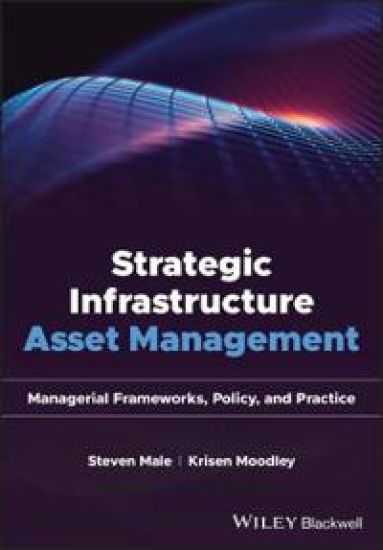
Strategic Infrastructure Asset Management: A Lifecycle and Value-Based Thinking and Decision Making Capability
The intent of the text is not to focus on the tools and techniques of asset management since these are dealt with extensively within other guidance documents and textbooks, but to place those within a strategic and tactical context of organisational development in asset management. Importantly, by bringing together international best practice and research, together with critically related knowledge domains that underpin the landscape of the discipline, the intent is to address the development of asset management capabilities within organisations and the challenges of deploying asset management skills in organisations. This is a particularly important challenge in developed and emerging economies. In broad terms the book will integrate: concepts of strategic management with those of asset management, portfolio, programme, and project managementnotions of the ‘Intelligent Client’creation and enhancement of organisational capabilities in AM as an organisational change initiative
Engineering, Business & Professional Ethics

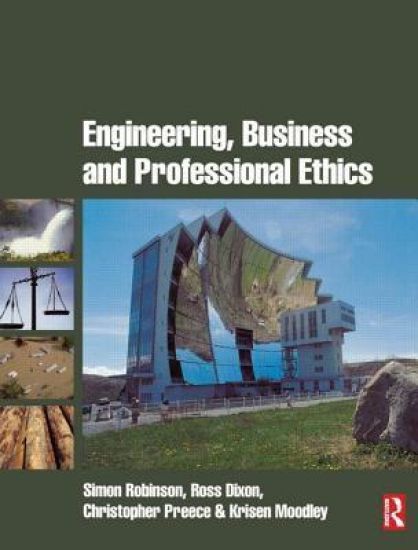
Engineering, Business & Professional Ethics

Simon Robinson; Ross Dixon; Christopher Preece; Krisen Moodley

Butterworth-Heinemann Ltd
2007
nidottu
Engineering, as a profession and business, is at the sharp end of the ethical practice. Far from being a bolt on extra to the ‘real work’ of the engineer it is at the heart of how he or she relates to the many different stakeholders in the engineering project. Engineering, Business and Professional Ethics highlights the ethical dimension of engineering and shows how values and responsibility relate to everyday practice. Looking at the underlying value systems that inform practical thinking the book offers a framework for ethical decision-making. Covering global corporate responsibility to the increasing concern for the environment within the engineering business, the book offers ways in which value conflict can be handled. Integrating practice, value and diversity the book helps to prepare the engineer for the ethical challenges of the 21st century. This book is essential reading for all students on courses accredited by the Engineering Council e.g. Civil, Chemical, Mechanical and Environmental Engineering who need to be aware of ethics. Also of interest to practicing engineers and professionals such as Sustainability Managers and Community Workers involved in engineering projects. The authors have worked together in the area of engineering, professional and business ethics for many years and are all members of the National Centre for Applied Ethics at the University of Leeds.