
Kirjojen hintavertailu – 12 859 819 kirjaa ja 27 kauppaa

Kirjailija

Kristian Hvidtfeldt Nielsen

Kirjat ja teokset yhdessä paikassa: 3 kirjaa, julkaisuja vuosilta 2009–2021, suosituimpiin kuuluu På jagt efter søslangen. Vertaile teosten hintoja ja tarkista saatavuus suomalaisista kirjakaupoista.

3 kirjaa

Kirjojen julkaisuvuodet: 2009–2021.

Camp Century

Camp Century

Henry Nielsen; Kristian Hvidtfeldt Nielsen

Columbia University Press
2021
sidottu
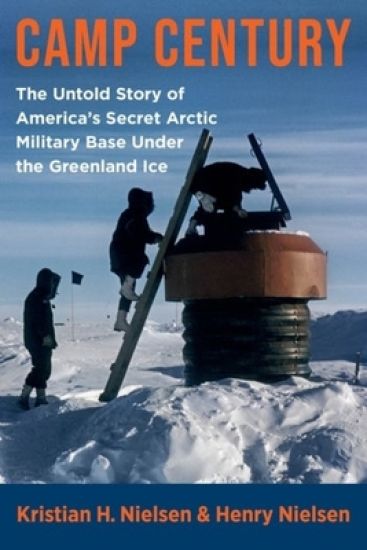
At the height of the Cold War, the United States Army secretly began work on a base embedded deep in the Greenland ice cap: Camp Century. Officially defined as a scientific research station, this facility had an undisclosed purpose: to aim up to 600 nuclear warheads, buried in the ice, at the Soviet Union. In 1966, just six years after the camp was established, the United States gave up this provocative strategy and abandoned the base. Despite its brief life, Camp Century has been the cause of controversies from diplomatic relations between the United States and its Arctic allies, Denmark and Greenland, to the risks of radioactive waste abandoned at the site. This book is the first comprehensive account of the U. S. Army’s “city under the ice.” Beginning with the Truman administration’s vision of military superiority in the Arctic and continuing through present-day concerns over the effects of climate change, Kristian H. Nielsen and Henry Nielsen unravel the extraordinary history of this clandestine installation. Drawing on sources including top-secret memos and never-before-seen photographic evidence, they follow the intertwining threads of high-level politics, ice-core research, media representations, daily life beneath the ice, and the specter of long-buried environmental problems that will one day resurface. Camp Century reveals a hidden chapter of Cold War history—and why, as the Greenland ice cap slowly melts, this story is not yet over.
Camp Century

Camp Century

Henry Nielsen; Kristian Hvidtfeldt Nielsen

Columbia University Press
2021
pokkari

Halvin toimitettuna 33,80 €

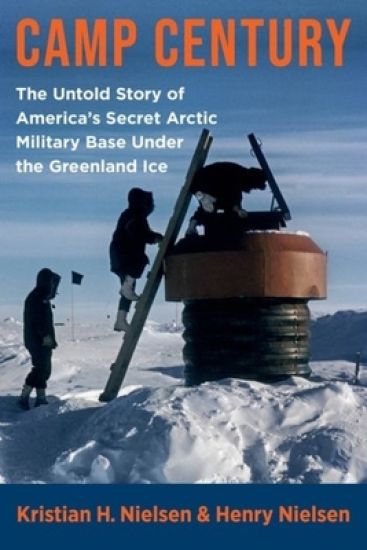
At the height of the Cold War, the United States Army secretly began work on a base embedded deep in the Greenland ice cap: Camp Century. Officially defined as a scientific research station, this facility had an undisclosed purpose: to aim up to 600 nuclear warheads, buried in the ice, at the Soviet Union. In 1966, just six years after the camp was established, the United States gave up this provocative strategy and abandoned the base. Despite its brief life, Camp Century has been the cause of controversies from diplomatic relations between the United States and its Arctic allies, Denmark and Greenland, to the risks of radioactive waste abandoned at the site. This book is the first comprehensive account of the U. S. Army’s “city under the ice.” Beginning with the Truman administration’s vision of military superiority in the Arctic and continuing through present-day concerns over the effects of climate change, Kristian H. Nielsen and Henry Nielsen unravel the extraordinary history of this clandestine installation. Drawing on sources including top-secret memos and never-before-seen photographic evidence, they follow the intertwining threads of high-level politics, ice-core research, media representations, daily life beneath the ice, and the specter of long-buried environmental problems that will one day resurface. Camp Century reveals a hidden chapter of Cold War history—and why, as the Greenland ice cap slowly melts, this story is not yet over.
På jagt efter søslangen

På jagt efter søslangen

Kristian Hvidtfeldt Nielsen

Aarhus Universitetsforlag
2009
sidottu
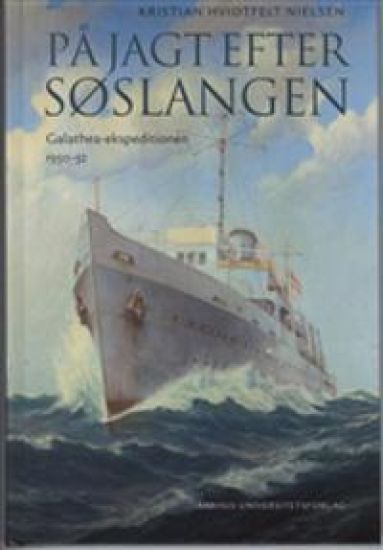
»Jeg tror paa Søslangen« udtalte den danske havforsker Anton F. Bruun til Ekstra Bladet under hedebølgen i krigssommeren 1941. Det var en fin lille sommerhistorie, der dog viste sig at få store konsekvenser for dansk havforskning: Søslangen satte den anden Galathea-ekspedition (1950-52) i gang. Anton F. Bruun ville fange søslangen på en dansk dybhavsekspedition efter krigen. Rejseforfatteren Hakon Mielche blev straks grebet af Bruuns ide, og sammen planlagde de ekspeditionen som en kombineret forsknings- og formidlingsekspedition, hvor (næsten) ugentlige rejsebeskrivelser i Illustreret Familie-Journal holdt danskerne informeret om eventyret. Og søslangen? Den fandt de aldrig. Men de påviste, at der eksisterer biologisk liv på bunden af de dybeste grave i Stillehavet: Små uanseelige søanemoner og usynlige bakterier. Ikke desto mindre sikrede det ekspeditionens videnskabelige eftermæle og Danmark endnu en plads i den internationale ekspeditionshistorie. Bogen er en spændende faglitterær fortælling, der ikke alene afslører, hvad der blev af søslangen, men også kommer tæt på de historiske hovedpersoner og giver et indblik i det offentlige mediebillede og videnskabens rolle i det offentlige rum.