
Kirjojen hintavertailu – 12 859 824 kirjaa ja 27 kauppaa

Kirjailija

Kristin Schwain

Kirjat ja teokset yhdessä paikassa: 2 kirjaa, julkaisuja vuosilta 2008–2017, suosituimpiin kuuluu Signs of Grace. Vertaile teosten hintoja ja tarkista saatavuus suomalaisista kirjakaupoista.

2 kirjaa

Kirjojen julkaisuvuodet: 2008–2017.

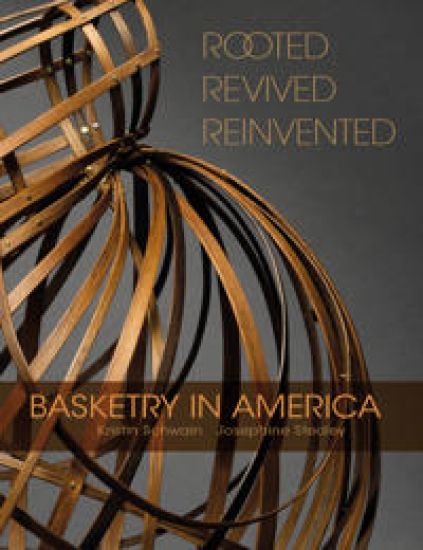
Rooted, Revived, Reinvented

Rooted, Revived, Reinvented

Kristin Schwain; Josephine Stealey

Schiffer Publishing Ltd
2017
sidottu
Ten contributing authors examine the cultural history of American basketry, from its utilitarian origins to the fine art world Rooted, Revived, Reinvented is a visual history of American basketry, from its origins in Native American, immigrant, and slave communities, to its contemporary presence in the fine art world. Ten contributing authors from different areas of expertise, and over 250 photographs, insightfully show how baskets convey meaning through the artists' selection of materials, the techniques they use, and the colors, designs, patterns, and textures they employ. This book illustrates how the processes of industrialization changed the audiences, materials, and uses for basketry. It also surveys the visual landscape of basketry today; while some contemporary artists seek to maintain and revive traditions practiced for centuries, others combine age-old techniques with nontraditional materials to generate cultural commentary. This comprehensive treasury will be of vital interest to artists, collectors, curators, and historians of American basketry, textiles, and sculpture.

Signs of Grace

Signs of Grace

Kristin Schwain

Cornell University Press
2008
sidottu
Religious imagery was ubiquitous in late-nineteenth-century American life: department stores, schoolbooks, postcards, and popular magazines all featured elements of Christian visual culture. Such imagery was not limited to commercial and religious artifacts, however, for it also found its way into contemporary fine art. In Signs of Grace, Kristin Schwain looks anew at the explicitly religious work of four prominent artists in this period—Thomas Eakins, F. Holland Day, Abbott Handerson Thayer, and Henry Ossawa Tanner—and argues that art and religion performed analogous functions within American culture. Fully expressing the concerns and values of turn-of-the-century Americans, this artwork depicted religious figures and encouraged the beholders' communion with them. Describing how these artists drew on their religious beliefs and practices, as well as how beholders looked to art to provide a transcendent experience, Schwain explores how a modern conception of faith as an individual relationship with the divine facilitated this sanctified relationship between art and viewer. This stress on the interior and subjective experience of religion accentuated the artist's efforts to engage beholders personally with works of art; how better to fix the viewer's attention than to hold out the promise of salvation? Schwain shows that while these new visual practices emphasized individual encounters with art objects, they also carried profound social implications. By negotiating changes in religious belief—by aestheticizing faith in a new, particularly American manner—these practices contributed to evolving debates about art, ethnicity, sexuality, and gender.