Kirjojen hintavertailu – 12 859 818 kirjaa ja 27 kauppaa

Kirjailija

Kristina Jönsson

Kirjat ja teokset yhdessä paikassa: 3 kirjaa, julkaisuja vuosilta 2021–2023, suosituimpiin kuuluu Fritidshemmet och socialt lärande : med ett didaktiskt perspektiv. Vertaile teosten hintoja ja tarkista saatavuus suomalaisista kirjakaupoista.

Nimi esiintyy myös muodoissa: Kristina Jonsson

3 kirjaa

Kirjojen julkaisuvuodet: 2021–2023.

Fritidshemmet och socialt lärande : med ett didaktiskt perspektiv
Socialt lärande är en central del av fritidshemmets uppdrag, men ofta ses sådant lärande som en biprodukt till andra aktiviteter. Det förväntas då ske av sig självt, som en följd av elevernas egen interaktion. Den här boken, i motsats, anlägger ett didaktiskt perspektiv på socialt lärande, med fokus på de didaktiska frågorna och hur de bildar en helhet i undervisningen. Ett didaktiskt perspektiv på socialt lärande möjliggör en medveten och reflekterad undervisning, där elevers samspel och sociala relationer främjas i praktiken. I boken betonas vikten av att vara en aktiv och delaktig vuxen tillsammans med eleverna i fritidshemmets vardag. I fokus ligger ett undervisande förhållningssätt, vilket innebär att den didaktiska medvetenheten och det relationella arbetet sammanfogas. Boken vänder sig till blivande lärare i fritidshem, men kan också användas av praktiker som ett underlag för reflektion kring den egna undervisningspraktiken.
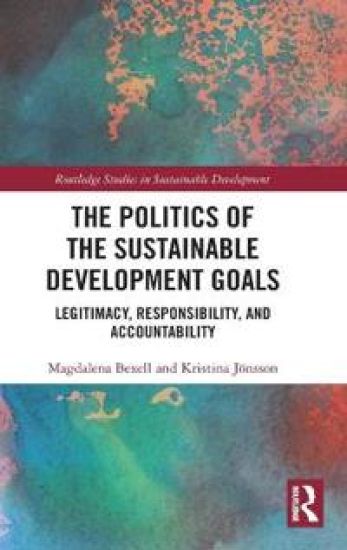
The Politics of the Sustainable Development Goals

The Politics of the Sustainable Development Goals

Magdalena Bexell; Kristina Jönsson

TAYLOR FRANCIS LTD
2023
nidottu
This book draws attention to political aspects of sustainable development goal-setting, exploring the Sustainable Development Goals (SDGs) at the global-national nexus during their first five years. After broad global deliberation and political negotiations, the 2030 Agenda and its SDGs were adopted in the United Nations (UN) General Assembly in 2015, and by now many countries have political structures in place for working towards their realisation. This book explores three concepts to call attention to the political qualities of processes related to the SDGs: legitimacy, responsibility, and accountability. Legitimacy is required to obtain broad political ownership for policy goals in order for them to become effective in addressing cross-border sustainability challenges. Responsibility needs to be clearly distributed among political institutions if a long-term set of broad goals such as the SDGs are to be realised. Accountability to the public is the retrospective mirror of political responsibility. The Politics of the Sustainable Development Goals contributes new knowledge on political processes at the nexus of global and national levels, focussing on three countries at different levels of socio-economic development and democratisation: namely Ghana, Tanzania, and Sweden. These countries illustrate a variety of challenges related to the realisation of the SDGs. This book will be of great interest to students and scholars of sustainable development, international organisations, and global politics.
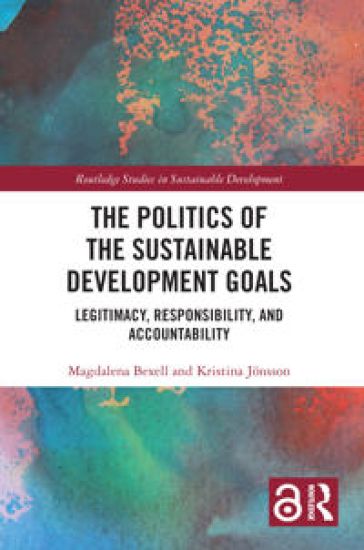
The Politics of the Sustainable Development Goals

The Politics of the Sustainable Development Goals

Magdalena Bexell; Kristina Jönsson

Routledge
2021
sidottu
This book draws attention to political aspects of sustainable development goal-setting, exploring the Sustainable Development Goals (SDGs) at the global-national nexus during their first five years. After broad global deliberation and political negotiations, the 2030 Agenda and its SDGs were adopted in the United Nations (UN) General Assembly in 2015, and by now many countries have political structures in place for working towards their realisation. This book explores three concepts to call attention to the political qualities of processes related to the SDGs: legitimacy, responsibility, and accountability. Legitimacy is required to obtain broad political ownership for policy goals in order for them to become effective in addressing cross-border sustainability challenges. Responsibility needs to be clearly distributed among political institutions if a long-term set of broad goals such as the SDGs are to be realised. Accountability to the public is the retrospective mirror of political responsibility. The Politics of the Sustainable Development Goals contributes new knowledge on political processes at the nexus of global and national levels, focussing on three countries at different levels of socio-economic development and democratisation: namely Ghana, Tanzania, and Sweden. These countries illustrate a variety of challenges related to the realisation of the SDGs. This book will be of great interest to students and scholars of sustainable development, international organisations, and global politics.