Kirjojen hintavertailu – 12 859 819 kirjaa ja 27 kauppaa
Kirjailija
Kunsthaus Zürich
Kirjat ja teokset yhdessä paikassa: 2 kirjaa, julkaisuja vuosilta 2017–2018, suosituimpiin kuuluu Praised and Ridiculed. Vertaile teosten hintoja ja tarkista saatavuus suomalaisista kirjakaupoista.
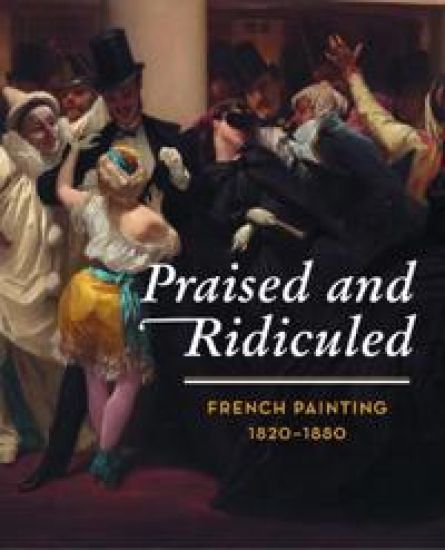
Romanticism, Realism, Impressionism – these are still the most important stylistic labels which acted as slogans for French painting during the 19th century. At that time Delacroix, Courbet, Manet and many others left the “straight and narrow” of painting, the academic-neo-classical manner. Highly controversial at the time, today these painters are celebrated worldwide as precursors of Modernism. The situation is very different when it comes to the Salon painters like Meissonier, Cabanel, Gérôme and Bouguereau, who were highly regarded at the time. Today they have been consigned to the fringes, especially in the German-speaking region – unjustifiably, because they play an outstanding role with regard to our understanding of developments in art at the time.
Kunsthaus Zürich; Christoph Becker; Madgalena M. Moeller; Sandra Gianfreda; Charles Werner Haxthausen; Karin Schick; Uwe M. Schneede; Günther Gercken; Martina Pfister
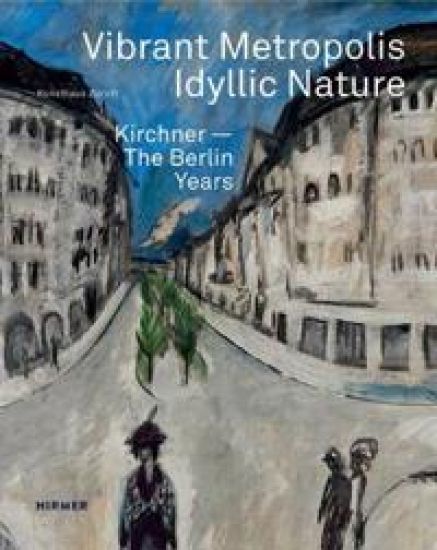
Ernst Ludwig Kirchner’s move from Dresden to Berlin in 1911 marked a turning point in his art. Under the influence of the most modern metropolis in Europe, during the years between 1912 and 1915 the artist created works whose exaggerated and condensed styl e could be regarded as a true metaphor for the attitude to life during the early years of the twentieth century. During this time of rapid change the capital of the German Empire promised progress and countless opportunities, but also danger and profound e xistential fear. The city was not only the centre of industry, which continued to grow unchecked, but also of increasing motorised traffic and, with three million inhabitants, it was the biggest “city of tenement blocks” in Europe. But Berlin was also the metropolis of the arts, of hedonism, prostitution and accordingly of a sexuality that could be lived to the full as never before. Berlin vibrated with challenging energy and intellectual challenges. In this melting pot of opportunities and risks Kirchner c reated pictures of breathless, existential directness which he launched unerringly at the conventions of the Wilhelminian age. The main area of focus of the publication will lie on this dialectic and the resulting tension. It will reproduce Kirchner’s grea test masterpieces, and in order to demonstrate the profound changes in his style, a representative selection of his early works from Dresden will also be shown alongside the paintings, drawing s and prints from the time in Berlin.