Kirjojen hintavertailu – 12 859 818 kirjaa ja 27 kauppaa

Kirjailija

Kurt Villads Jensen

Kirjat ja teokset yhdessä paikassa: 15 kirjaa, julkaisuja vuosilta 2009–2026, suosituimpiin kuuluu Scandinavia in the Middle Ages 900-1550. Vertaile teosten hintoja ja tarkista saatavuus suomalaisista kirjakaupoista.

15 kirjaa

Kirjojen julkaisuvuodet: 2009–2026.

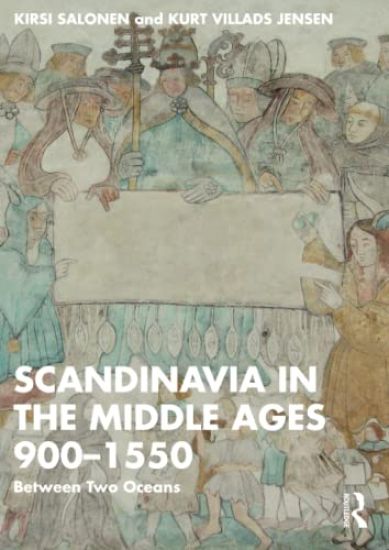
Scandinavia in the Middle Ages 900-1550

Scandinavia in the Middle Ages 900-1550

Kirsi Salonen; Kurt Villads Jensen

TAYLOR FRANCIS LTD
2023
nidottu

Halvin toimitettuna 51,70 €

Medieval Scandinavia went through momentous changes. Regional power centres merged and gave birth to the three strong kingdoms of Denmark, Norway, and Sweden. At the end of the Middle Ages, they together formed the enormous Kalmar Union comprising almost all lands around the North Atlantic and the Baltic Sea. In the Middle Ages, Scandinavia became part of a common Europe, yet preserved its own distinct cultural markers. Scandinavia in the Middle Ages 900–1550 covers the entire Middle Ages into an engaging narrative. The book gives a chronological overview of political, ecclesiastical, cultural, and economic developments. It integrates to this narrative climatic changes, energy crises, devastating epidemies, family life and livelihood, arts, education, technology and literature, and much else. The book shows how different groups had an important role in shaping society: kings and peasants, pious priests, nuns and crusaders, merchants, and students, without forgetting minorities such as Sámi and Jews. The book is divided into three chronological parts 900–1200, 1200–1400, and 1400–1550, where analyses of general trends are illustrated by the acts of individual men and women. This book is essential reading for students of, as well as all those interested in, medieval Scandinavia and Europe more broadly.
Scandinavia in the Middle Ages 900-1550

Scandinavia in the Middle Ages 900-1550

Kirsi Salonen; Kurt Villads Jensen

TAYLOR FRANCIS LTD
2023
sidottu
Medieval Scandinavia went through momentous changes. Regional power centres merged and gave birth to the three strong kingdoms of Denmark, Norway, and Sweden. At the end of the Middle Ages, they together formed the enormous Kalmar Union comprising almost all lands around the North Atlantic and the Baltic Sea. In the Middle Ages, Scandinavia became part of a common Europe, yet preserved its own distinct cultural markers. Scandinavia in the Middle Ages 900–1550 covers the entire Middle Ages into an engaging narrative. The book gives a chronological overview of political, ecclesiastical, cultural, and economic developments. It integrates to this narrative climatic changes, energy crises, devastating epidemies, family life and livelihood, arts, education, technology and literature, and much else. The book shows how different groups had an important role in shaping society: kings and peasants, pious priests, nuns and crusaders, merchants, and students, without forgetting minorities such as Sámi and Jews. The book is divided into three chronological parts 900–1200, 1200–1400, and 1400–1550, where analyses of general trends are illustrated by the acts of individual men and women. This book is essential reading for students of, as well as all those interested in, medieval Scandinavia and Europe more broadly.
Religionen tur och retur

Religionen tur och retur

Jenny Björkman; Arne Jarrick; Per-Arne Bodin; Liselotte Frisk; Eva Hellman; Maarit Jänterä-Jareborg; Patrik Lindenfors; Mia Lövheim; Susanne Olsson; Hanne Sanders; Jonas Svensson; David Thurfjell; Kurt Villads Jensen

Makadam förlag
2017
nidottu
Religion har varit viktig för människor genom historien och i alla kulturer, men dess betydelse har varierat. Går världen nu mot sekularisering, eller är religionen tvärtom åter på frammarsch? Blir människor med tiden mindre religiösa? Och vad betyder i så fall dagens stora intresse för religioner? Kanske är det snarast ett ständigt "tur och retur" för religionen. I Riksbankens Jubileumsfonds årsbok 2017/2018 undersöker forskare bland annat evolution och heliga krig, riter och försanthållanden, rättsliga aspekter på religion i ett mångkulturellt samhälle och hur det är att växa upp inom så kallade sekter.
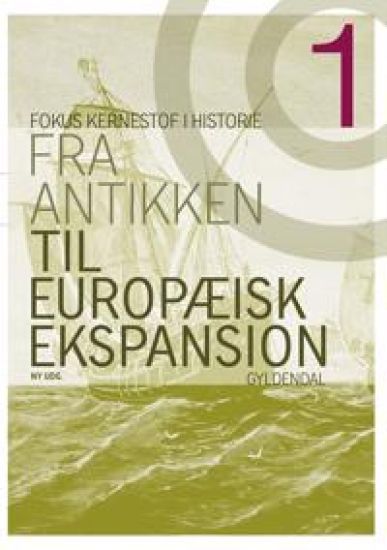
Fokus - kernestof i historie 1

Fokus - kernestof i historie 1

Kim Beck Danielsen; Ulrik Grubb; Karl-Johann Hemmersam; Lars Peter Visti Hansen; Johan Møhlenfeldt Jensen; Kurt Villads Jensen; Brian Patrick McGuire; Peter Ørsted; Pernille Ipsen

Systime
2016
nidottu
Fokus - Kernestof i historie 1-3 udkommer nu i to bind, hvoraf Fra antikken til europæisk ekspansion er første bind og svarer til den tidligere Fokus 1 tilføjet kapitlet kolonisering fra den tidligere Fokus 2. Fra antikken til europæisk ekspansion dækker syv kernefaglige områder fra perioderne indtil 1453, 1453-1776 og 1776-1914.
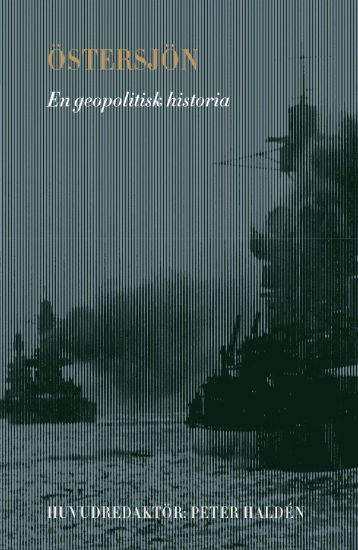
Östersjön : En geopolitisk historia

Östersjön : En geopolitisk historia

Tobias Boestad; Axel Boltenberg; Hugo Bromley; Christian Bueger; Boguslaw Dybas; Kjell Engelbrekt; Tuomas Forsberg; Kristian Gerner; Peter Haldén; Martin Hall; Mats Hallenberg; Kurt Villads Jensen; Jonas Kjellén; Peter Krönvik; Henrik Meinander; Justyna Wubs Mrozewicz; Morten Nordhagen Ottosen; Magnus Pettersson; Johan Rönnby; Brendan Simms; Veronika Slakaityte; Izabela Surwillo; Peteris Vanags; Rolf Fabricius Warming

Bokförlaget Stolpe
2026
sidottu
Östersjön är mer än bara ett innanhav – det är en historisk geopolitisk skådeplats. Från vikingatidens sjöfart till dagens Natodominerade område har detta bräckta hav varit en livsnerv för folk och länder i norra Europa. Östersjön har fungerat som en knutpunkt för ekonomiska och politiska relationer genom Hansans dominans under medeltiden, stormaktstidens strider mellan Sverige, Polen-Litauen och Ryssland, samt de dramatiska skiften som följde i spåren av Napoleonkrigen, de båda världskrigen och kalla kriget. Östersjön har även visat sig vara en plats för samarbete. Efter Sovjetunionens fall har regionen präglats av integration och tillväxt – en utveckling som nu utmanas av nya geopolitiska spänningar. Hur kan regionen komma att påverkas av energiflöden, klimatförändringar och militärstrategier? I denna omfattande antologi samlas bidrag av ledande forskare inom bland annat historia, statsvetenskap och internationella relationer för att kartlägga de drivande krafter som format Östersjöregionen från 1200-talet fram till i dag. Boken finns även i engelsk utgåva, The Baltic Sea - A Geopolitical History.
De store korstog

De store korstog

Kurt Villads Jensen

Aarhus Universitetsforlag
2025
sidottu

Halvin toimitettuna 22,00 €

”Gud vil det”, råbte folkeskarerne, da pave Urban 2. i 1095 kaldte til korstog. Hundredtusinder af vesteuropæere marcherede hele vejen til Jerusalem og erobrede den hellige by i et bestialsk blodbad for at opnå frelse fra dette syndige liv. Selv danskerne forlod deres evindelige drikkegilder og deltog på lige fod med andre rettroende – først med kurs mod det forjættede land og siden Estland, hvor Dannebrog endda faldt ned fra himlen. Næsten 1.000 år senere lever fortællingen om pilgrimme på krigstogt videre og lader os forstå nutiden, når skærmydsler mellem kristen og muslimsk civilisation skal forklares. Gå med Gud og med Kurt Villads Jensen, professor i middelalderhistorie ved Stockholms Universitet, når han kaster nyt lys over korstogsriget Danmark.
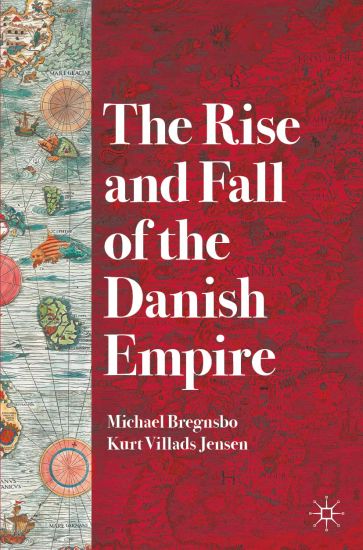
The Rise and Fall of the Danish Empire

The Rise and Fall of the Danish Empire

Michael Bregnsbo; Kurt Villads Jensen

Springer Nature Switzerland AG
2022
nidottu

Halvin toimitettuna 36,20 €

This book examines the Danish Empire, which for over four hundred years stretched from Northern Norway to Hamburg and was feared by small German principalities to the South. Evolving over time, it has included most of Scandinavia and the North Atlantic, has shifted from a Western orientation under the Vikings to an Eastern one in the Middle Ages, and from a North Sea Empire to a Baltic Empire. From the seventeenth to the early twentieth century, it comprised small overseas colonies in India, Africa and the Caribbean. Exploring the rise and fall of Denmark's Kingdom, from 9 AD to the present, this textbook considers how such vast empires were kept together through ideology and symbols, military force, transport systems and networks of civil servants. The authors demonstrate how the lands under Danish rule included a variety of religious groups, social and economic structures, law systems, and ethnic and linguistic groups. They also consider the economic and ideological benefit of an empire structure in comparison to a nation state. Providing a detailed overview of the long history of the Danish Empire, whilst also confronting current debate and providing novel interpretations, this book offers an original, imperial and multi-territorial perspective on the history of the Danish state, providing essential reading for students of Danish or Scandinavian history and European or Global empires.
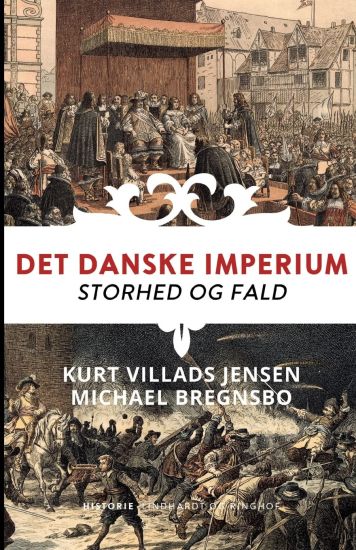
Det danske imperium. Storhed og fald

Det danske imperium. Storhed og fald

Kurt Villads Jensen; Michael Bregnsbo

Lindhardt og Ringhof
2021
pokkari
Efter det katastrofale nederlag ved Dybb l Banke i 1864 lukkede dansk historieskrivning sig om sig selv og blev st rkt nationalt selvcentreret. Siden er dansk historie blevet forst et ud fra det grundperspektiv, at Danmark var et lille og ubetydeligt land i den europ iske periferi, presset af den st rke tyske nabo, og at dansk historie handlede om det, der skete inden for det nuv rende Danmarks gr nser. Dette traditionelle synspunkt bliver i denne bog udfordret af historikerne Kurt Villads Jensen og Michael Bregnsbo. "To forskere l fter blikket ud over nationalstatens gr nser og leverer forfriskende ny vinkel p dansk historie." - Kristeligt Dagblad "Det er l nge siden, jeg har l st en s imponerende og velskrevet bog." - Berlingske Tidende "Bogen er en dygtig og diskuterende version af vores udenrigspolitiske historie, med humoristiske glimt, som n r det efterreformatoriske Danmark kaldes en 'slyngelstat' og 1600-tallets milit rapparat en 'krigsbevarende styrke'." - Politiken -
Crusading at the Edges of Europe

Crusading at the Edges of Europe

Kurt Villads Jensen

Routledge
2019
nidottu

Halvin toimitettuna 59,20 €

This book is the first to compare Denmark and Portugal systematically in the High Middle Ages and demonstrates how the two countries became strong kingdoms and important powers internationally by their participation in the crusading movement. Communication in the Middle Ages was better developed than often assumed and institutions, ideas, and military technology was exchanged rapidly, meaning it was possible to coordinate great military expeditions across the geographical periphery of Western Europe. Both Denmark and Portugal were closely connected to the sea and developed strong fleets, at the entrance to the Baltic and in the Mediterranean Seas respectively. They also both had religious borders, to the pagan Wends and to the Muslims, that were pushed forward in almost continuous crusades throughout the centuries. Crusading at the Edges of Europe follows the major campaigns of the kings and crusaders in Denmark and Portugal and compares war-technology and crusading ideology, highlighting how the countries learned from each other and became organised for war.
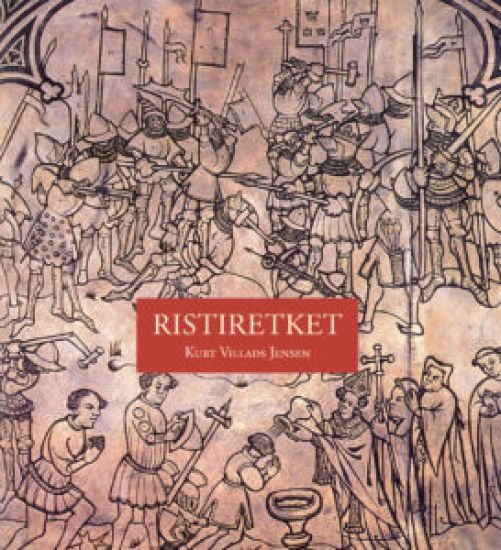
Ristiretket

Ristiretket

Kurt Villads Jensen

TURUN HISTORIALLINEN YHDISTYS
2019
sidottu

Halvin toimitettuna 50,50 €

Ristiretket olivat läntisen Euroopan historian mittavin sotilaallinen hanke. Ne alkoivat lähes 1000 vuotta sitten Jerusalemin verisellä valloituksella ja kestivät yli 500 vuotta. Ristiretkiliikkeeseen osallistui sotilaiden ohella myös teologeja, jotka kehittivät teorian tarpeellisesta ja oikeudenmukaisesta sodasta sekä edelleenkin toistuvan ajatuksen islamista harhaoppisena ja väkivaltaisena uskontona. Ristiretkiä ei tehty vain Jerusalemiin, vaan taisteluja käytiin kolmella rintamalla: Lähi-idässä, Pyreneiden niemimaalla ja Itämeren rannoilla. Monista muista ristiretkistä kertovista teoksista poiketen kronologisessa järjestyksessä etenevä Ristiretket-kirja muodostaa kokonaissynteesin keskiaikaisista ristiretkistä. Lähi-itään tehtyjen ristiretkien rinnalla teoksessa tarkastellaan niin Pyreneiden niemimaan reconquistaa kuin suomalaisille lukijoille erityisen relevanttia Itämeren alueella harjoitettua, väkivaltaiseksikin yltynyttä käännytystyötä. Teoksessa on päätekstin lisäksi lyhyempiä artikkeleja kiinnostavista ristiretkiin liittyvistä yksityiskohdista ja henkilöistä.
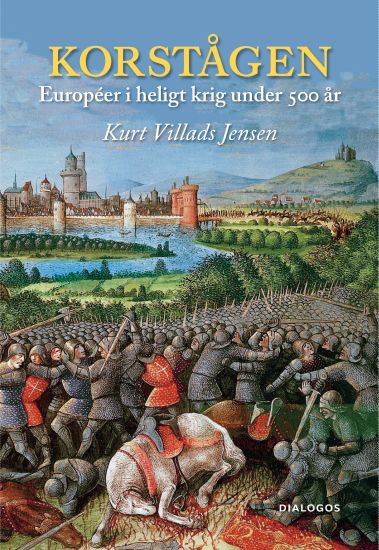
Korstågen : européer i heligt krig under 500 år

Korstågen : européer i heligt krig under 500 år

Kurt Villads Jensen; Dick Harrison

Dialogos Förlag
2017
sidottu
Korstågen är den största militära aktionen i Västeuropas historia. De inleddes för nära tusen år sedan och varade i över fem hundra år. Korstågen samlade européerna kring idén om det nödvändiga och rättfärdiga kriget, en föreställning som lever kvar än idag. Boken är en kunskapsrik och livfull inblick i historien om denna rörelse som började med erövringen av Jerusalem. Under de följande århundradena förde de europeiska furstarna en lång rad krig i Mellanöstern, men också på den iberiska halvön och i Östersjöområdet. De religiöst sanktionerade fälttågen gav upphov till den oförsonliga bilden av islam som kättersk och våldsam, men också till de första vetenskapliga studierna i Europa av islam som religion. Boken är den första skandinaviska översikten över alla medeltida korståg. Kurt Villads Jensen är professor i historia, nu verksam vid Stockholms universitet.
Crusading at the Edges of Europe

Crusading at the Edges of Europe

Kurt Villads Jensen

Routledge
2016
sidottu
This book is the first to compare Denmark and Portugal systematically in the High Middle Ages and demonstrates how the two countries became strong kingdoms and important powers internationally by their participation in the crusading movement. Communication in the Middle Ages was better developed than often assumed and institutions, ideas, and military technology was exchanged rapidly, meaning it was possible to coordinate great military expeditions across the geographical periphery of Western Europe. Both Denmark and Portugal were closely connected to the sea and developed strong fleets, at the entrance to the Baltic and in the Mediterranean Seas respectively. They also both had religious borders, to the pagan Wends and to the Muslims, that were pushed forward in almost continuous crusades throughout the centuries. Crusading at the Edges of Europe follows the major campaigns of the kings and crusaders in Denmark and Portugal and compares war-technology and crusading ideology, highlighting how the countries learned from each other and became organised for war.
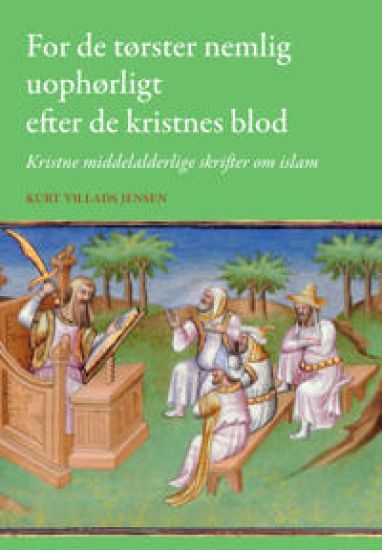
For de tørster nemlig uophørligt efter de kristnes blod
»Islam er så ond, at man kan sige alt det onde om den, som man kan finde på.« Dét var kristnes holdning til islam og til profeten Muhammad i middelalderen, og islam blev skildret som voldelig, videnskabsfjendsk, djævelsk, latterlig og sexfikseret. Hvorfor? Islam var dybt fascinerende for kristne i middelalderen, men også skræmmende. Teologisk rykker islam ved hele fundamentet for kristendom ved at påstå, at Jesus ikke er Gud. Militært sejrede islam i hundreder af år. Videnskabeligt var islam langt forud for Vesten. Bogen viser de kristnes svar, fra islams opståen i 600-tallet til omkring 1500. De ætsende polemiske teologiske afhandlinger, smædeskrifter om Muhammad, korstog og tanken om civilisationernes sammenstød, den kristne længsel efter det søde martyrium og paradis, missionen blandt muslimer og vantro, kristne munkes dybdeborende studier af koranens vanskelige tekst. Alt dette hang sammen og skabte det billede af islam, som afgørende præger den moderne verden. Bogen bygger på forfatterens studier gennem 25 år i middelalderensreligionsmøde og kulturmøde. Den indeholder egne oversættelser af de vigtigste kilder fra middelalderen, som aldrig før har været tilgængelige på dansk.
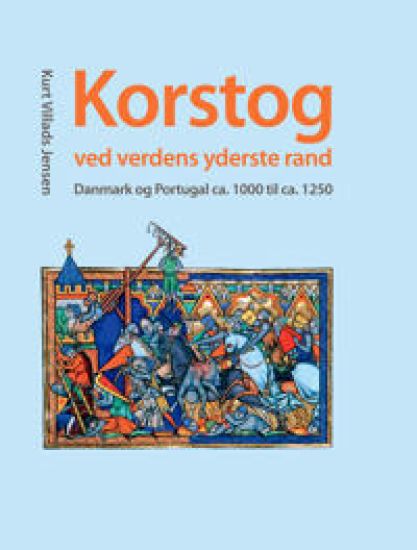
Korstog ved verdens yderste rand
Korstog ved verdens yderste rand fortæller som den første bog nogensinde historien om, hvordan Danmark blev skabt som et korstogsrige. Den viser også, hvordan Danmark og Portugal blev vigtige riger i den almindelige europæiske korstogsbevægelse, og hvordan der var en langt større grad af kommunikation mellem landene i Europa i middelalderen, end man hidtil har troet.
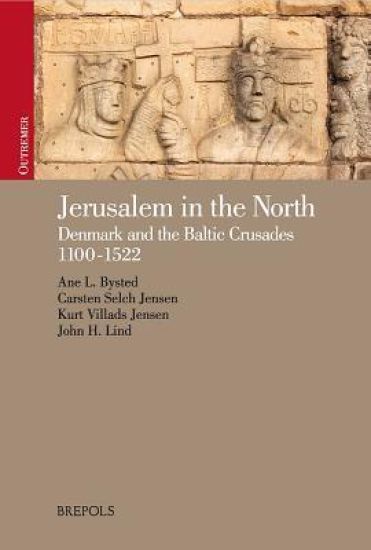
Jerusalem in the North: Denmark and the Baltic Crusades, 1100-1522

Jerusalem in the North: Denmark and the Baltic Crusades, 1100-1522

Ane Bysted; Kurt Villads Jensen; Carsten Selch Jensen

Brepols Publishers
2009
sidottu
'God wills it, God wills it ' - this was the response to the sermon of Pope Urban II at Clermont in 1095, in which he exhorted his audience to take the cross and liberate Jerusalem. And his words spread, even to the remotest islands in the north of Christendom. For the first time since the mid-nineteenth century, historians have investigated Latin, Danish, German, and Russian source materials about the Danish Crusades in the Baltic region. This team of four Danish medievalists describe how the idea of crusading reached the North and how Scandinavia became involved in the Western European crusading movement. Crusading ideology inspired Danish wars for hundreds of years against the Wends, Prussians, Lithuanians, Estonians and other pagan peoples along the coasts of the Baltic Sea so that in the twelfth and thirteenth centuries Denmark became the dominant crusading power in the region: a Jerusalem in the North. Indeed, crusading remained an important political reality in Denmark until the Lutheran Reformation in the early seventeenth century. Ane L. Bysted holds a Ph. D. from the University of Southern Denmark with a dissertation on the development of the crusade indulgence, and has written on crusade theology and preaching. Carsten Selch Jensen is Associate Professor in Church History at the University of Copenhagen. Has written on crusading history, especially in the Baltic Region as well as on holy and just war in the Middle Ages. Kurt Villads Jensen is Associate Professor in Medieval History at the University of Southern Denmark and chair of the Medieval Centre. He has written on Christian mission and crusades, especially in the Baltic region and Iberia. John H. Lind has written extensively on the Baltic crusades and on relations between Scandinavia, Finland and Russia from the Viking Age up to modern times.